
Last updated September 10, 2026
Level 1 sweep and inspection to the NFPA 211 annual standard - flue, crown, cap, and flashing checked and photographed
Chimney sweep logs do not sweep chimneys. They loosen some creosote - which then falls where a brush and vacuum still have to collect it.
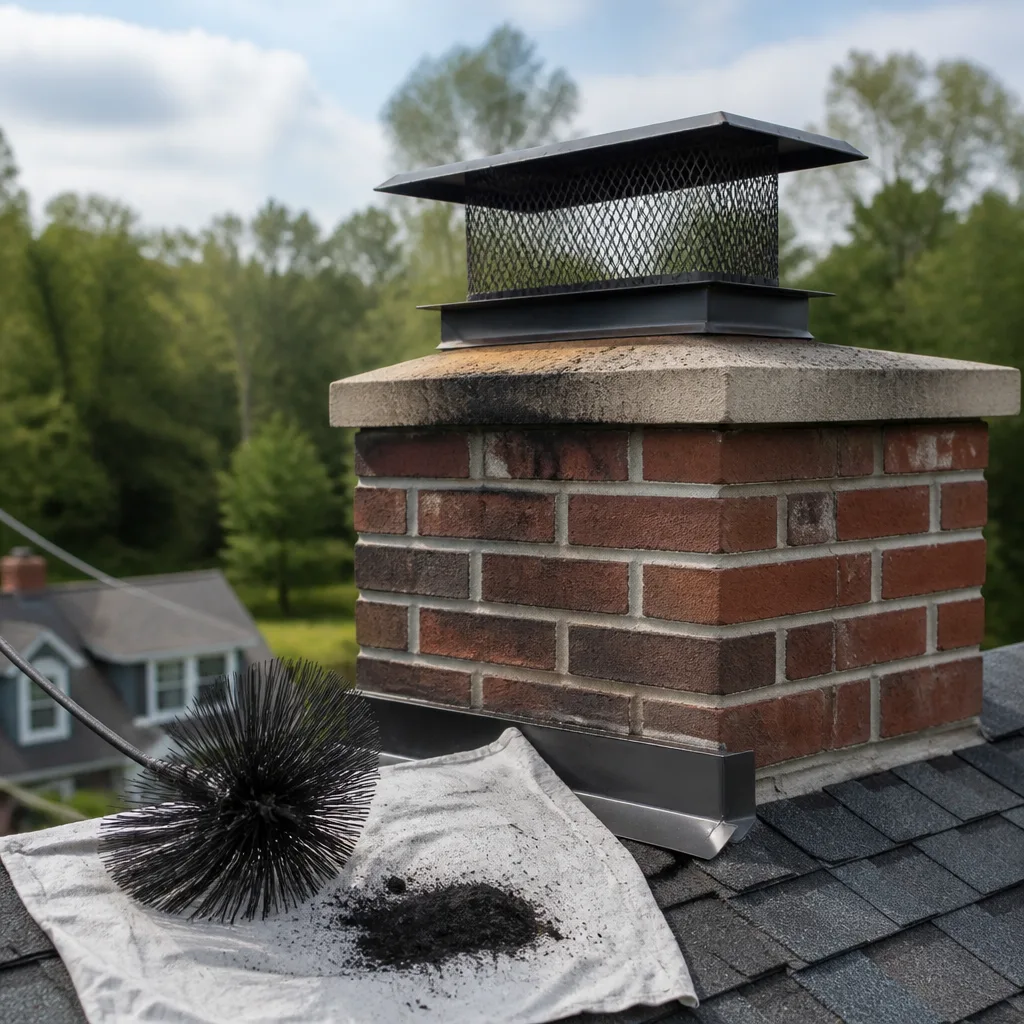
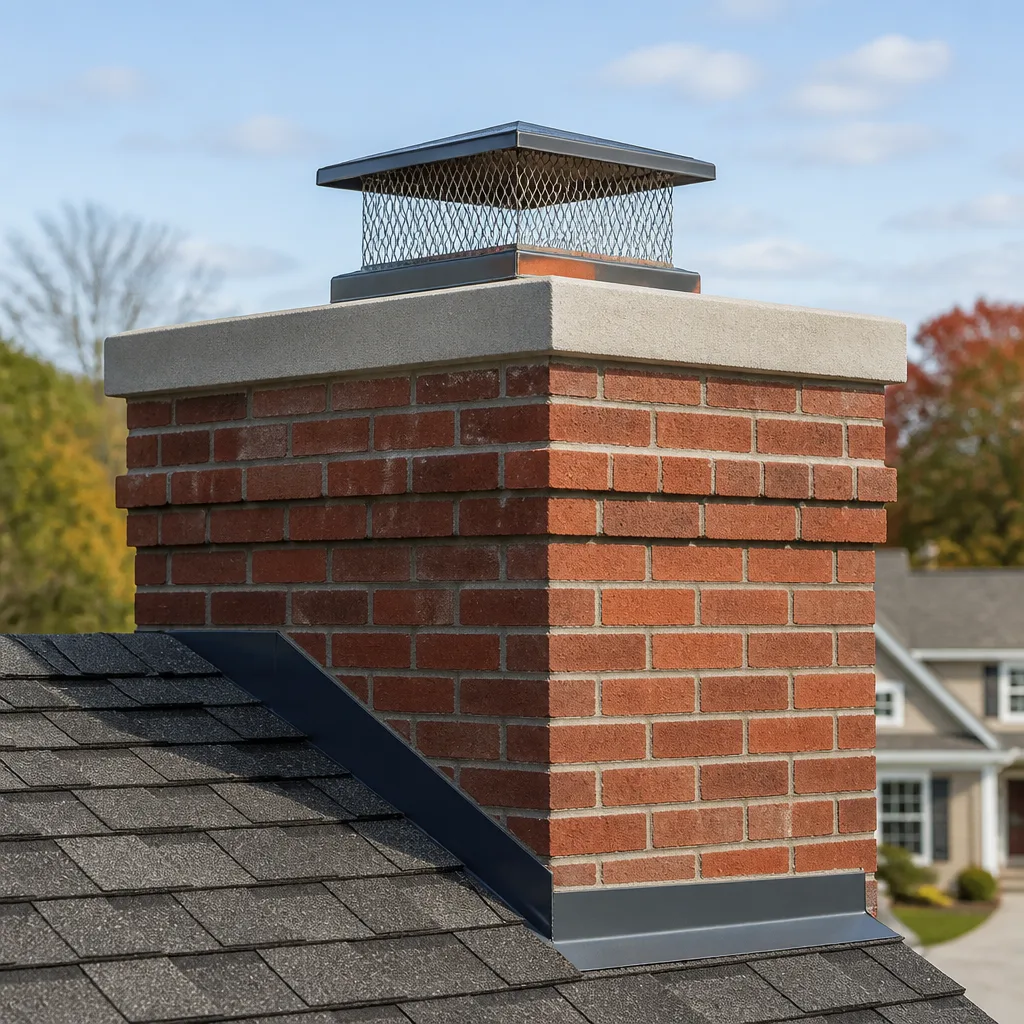
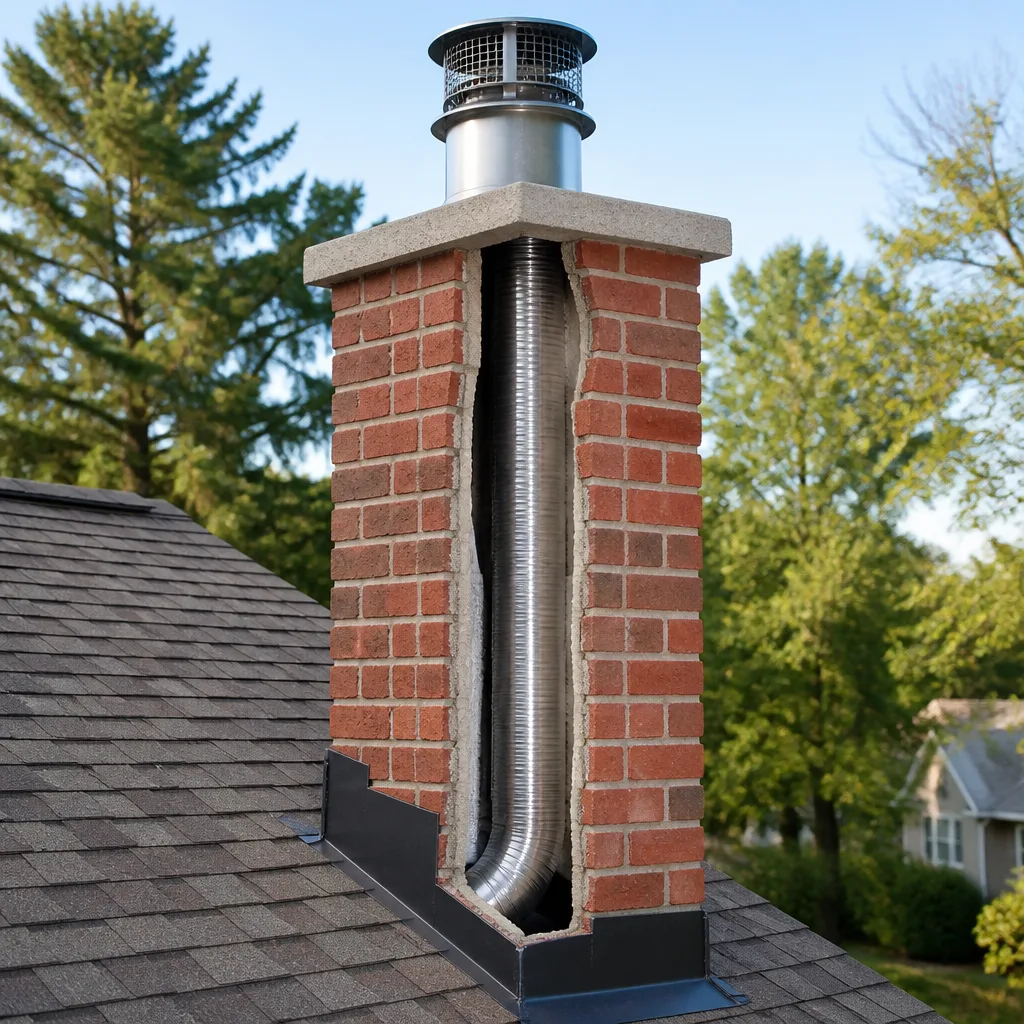
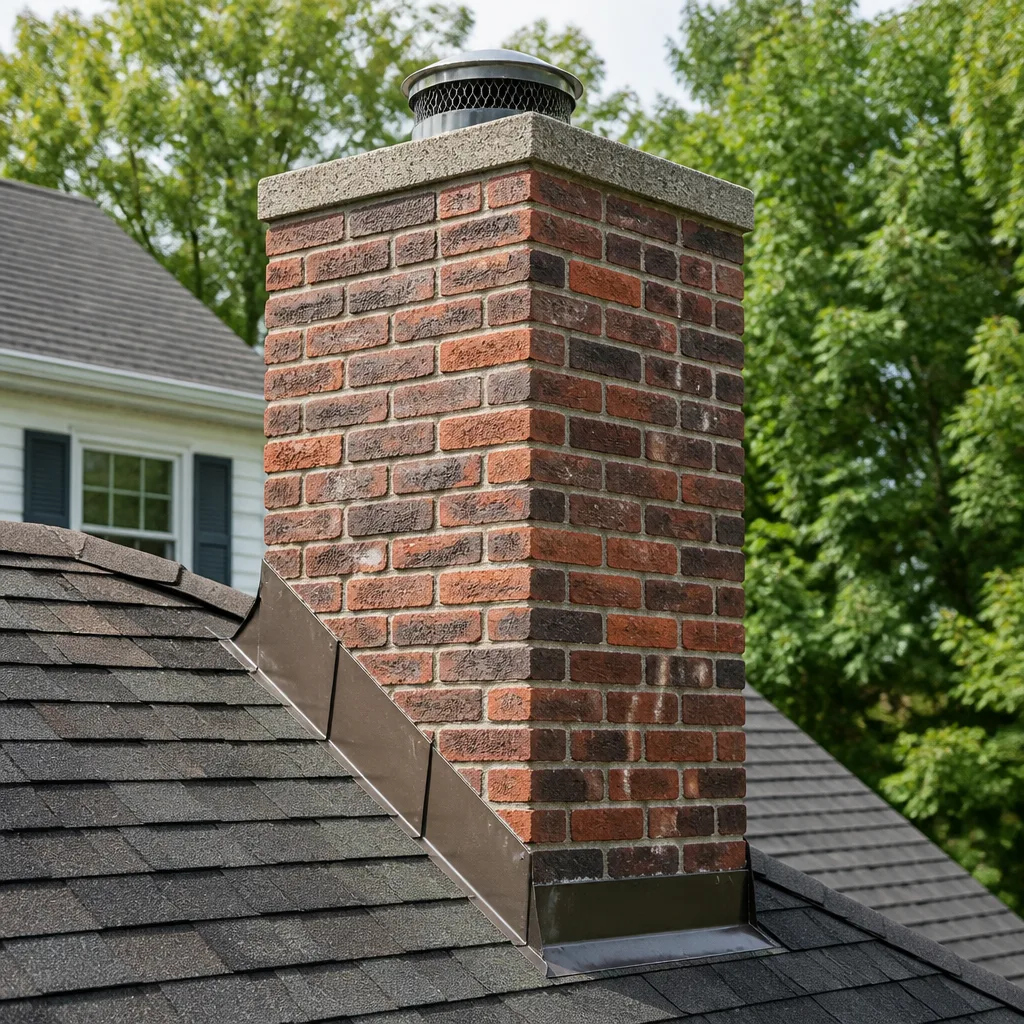
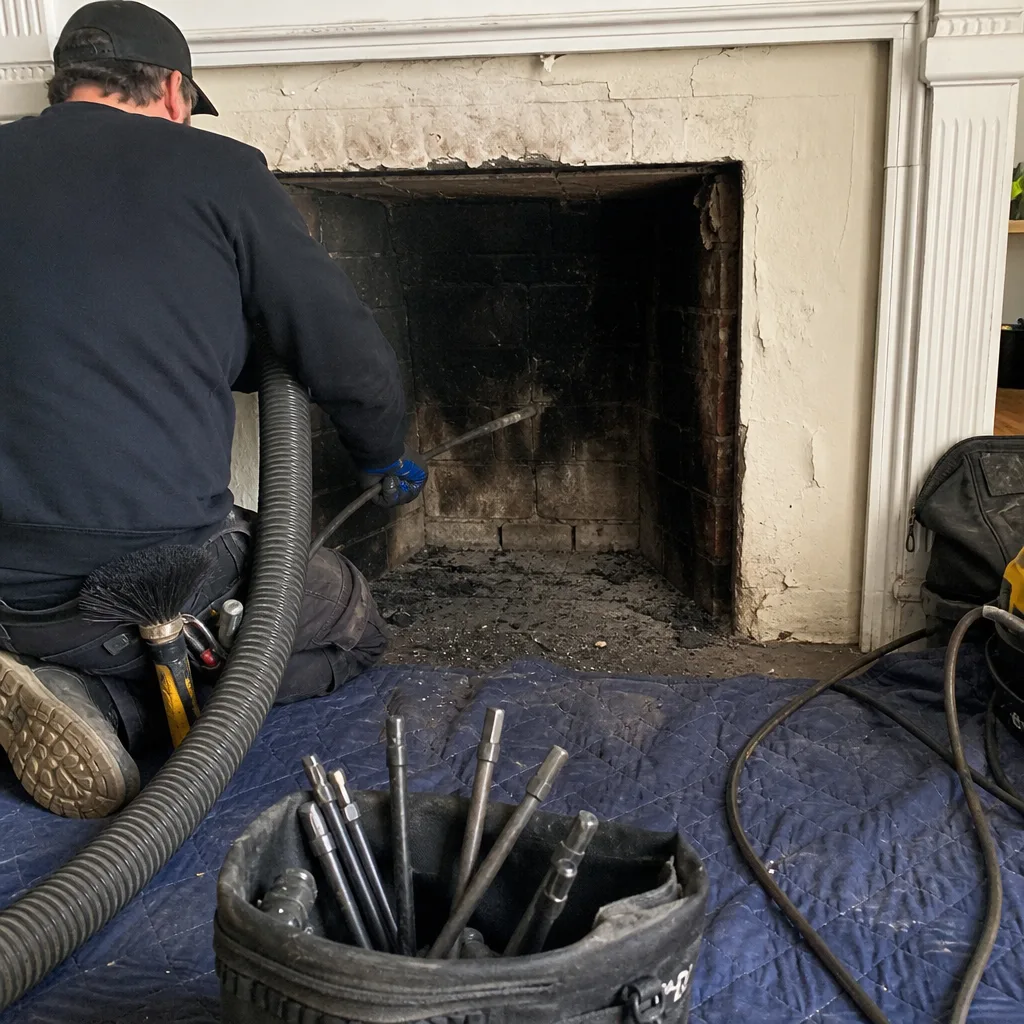 Before
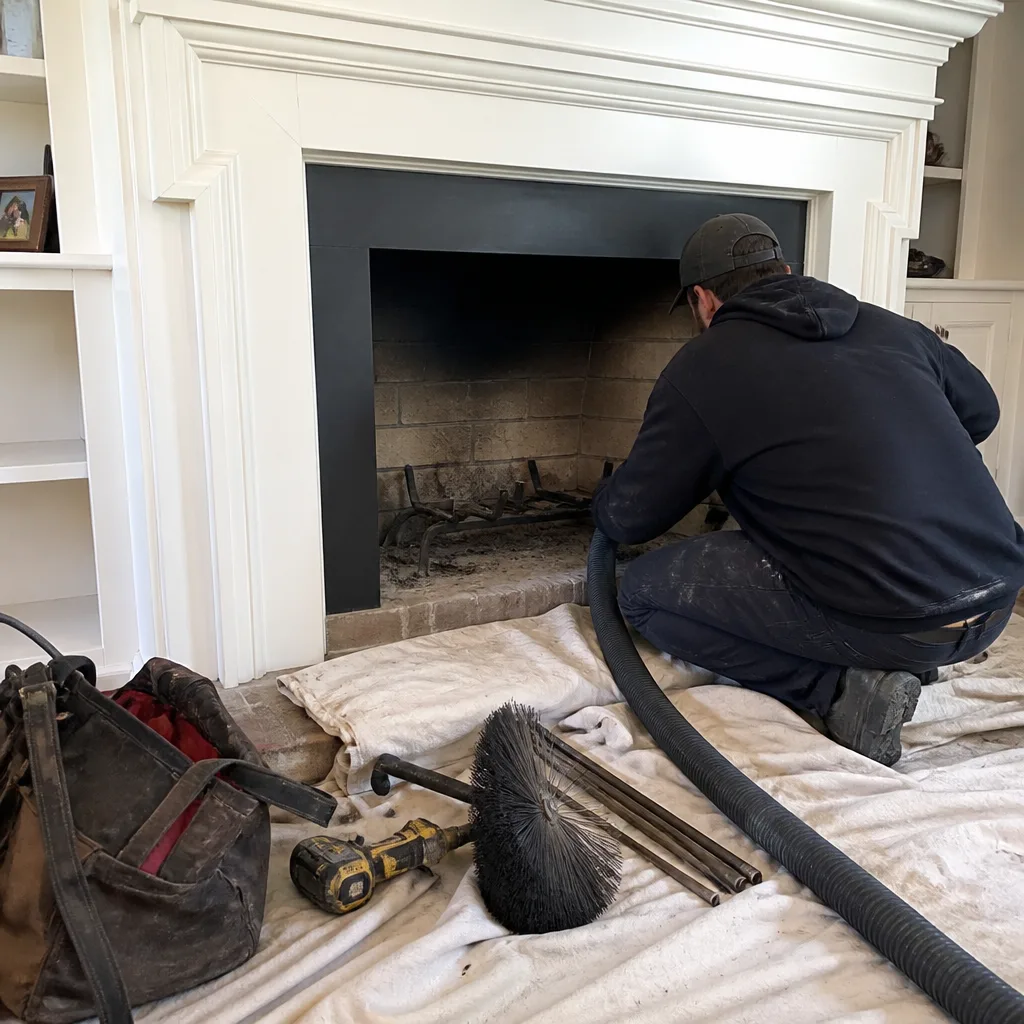 After
After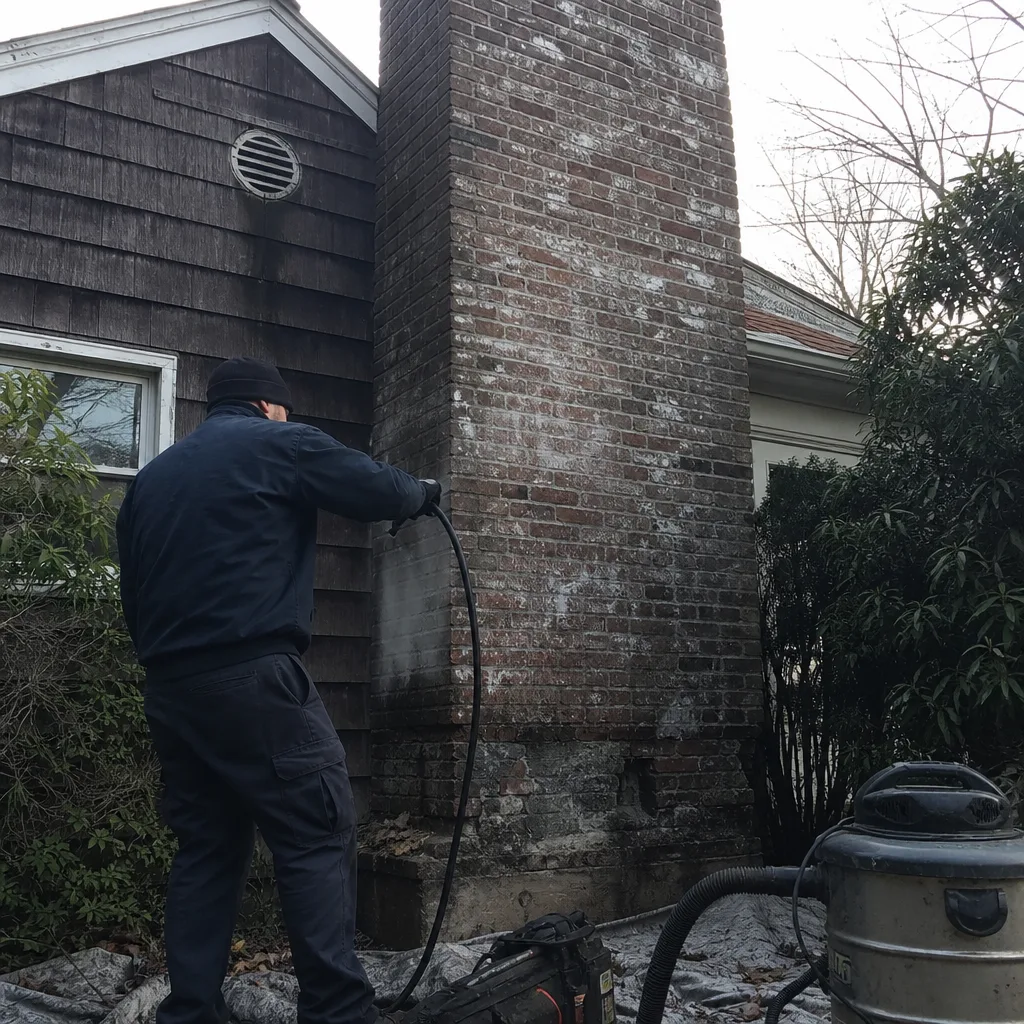 Before
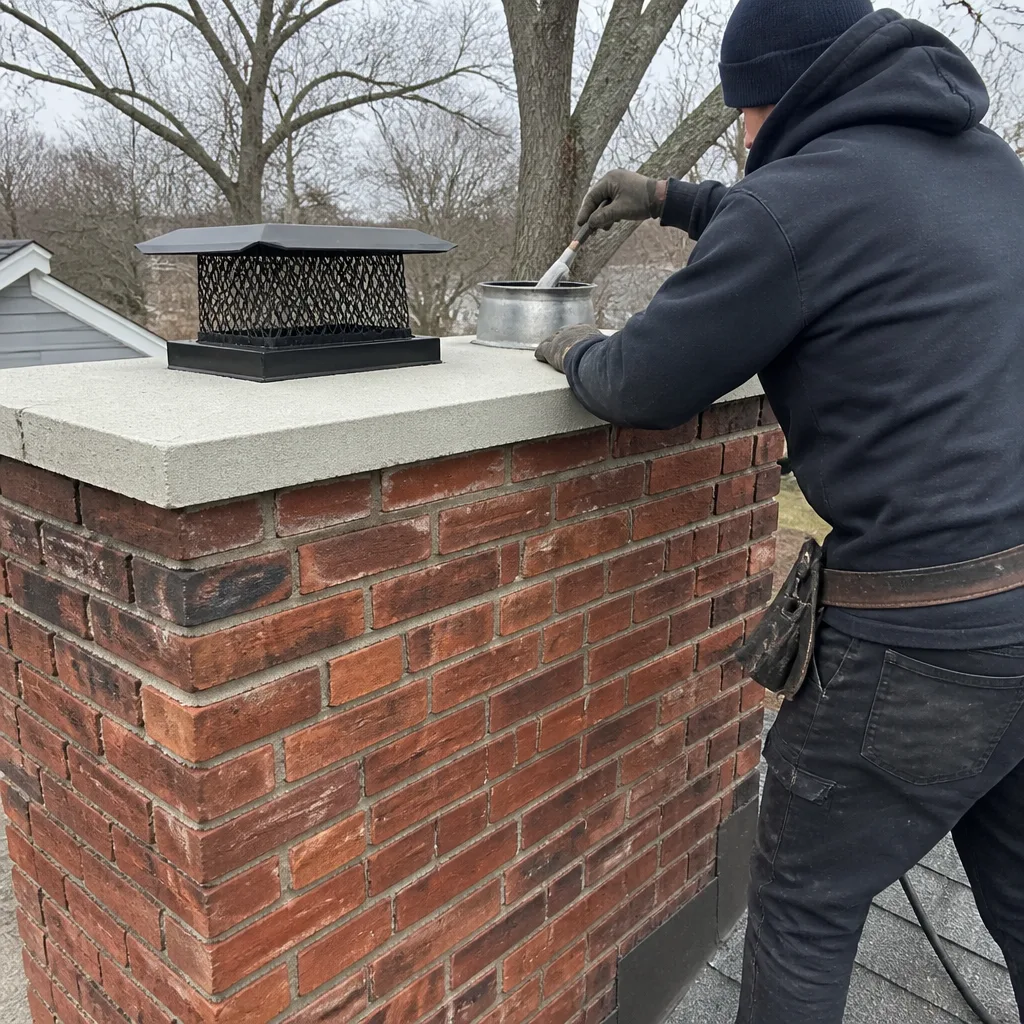 After
After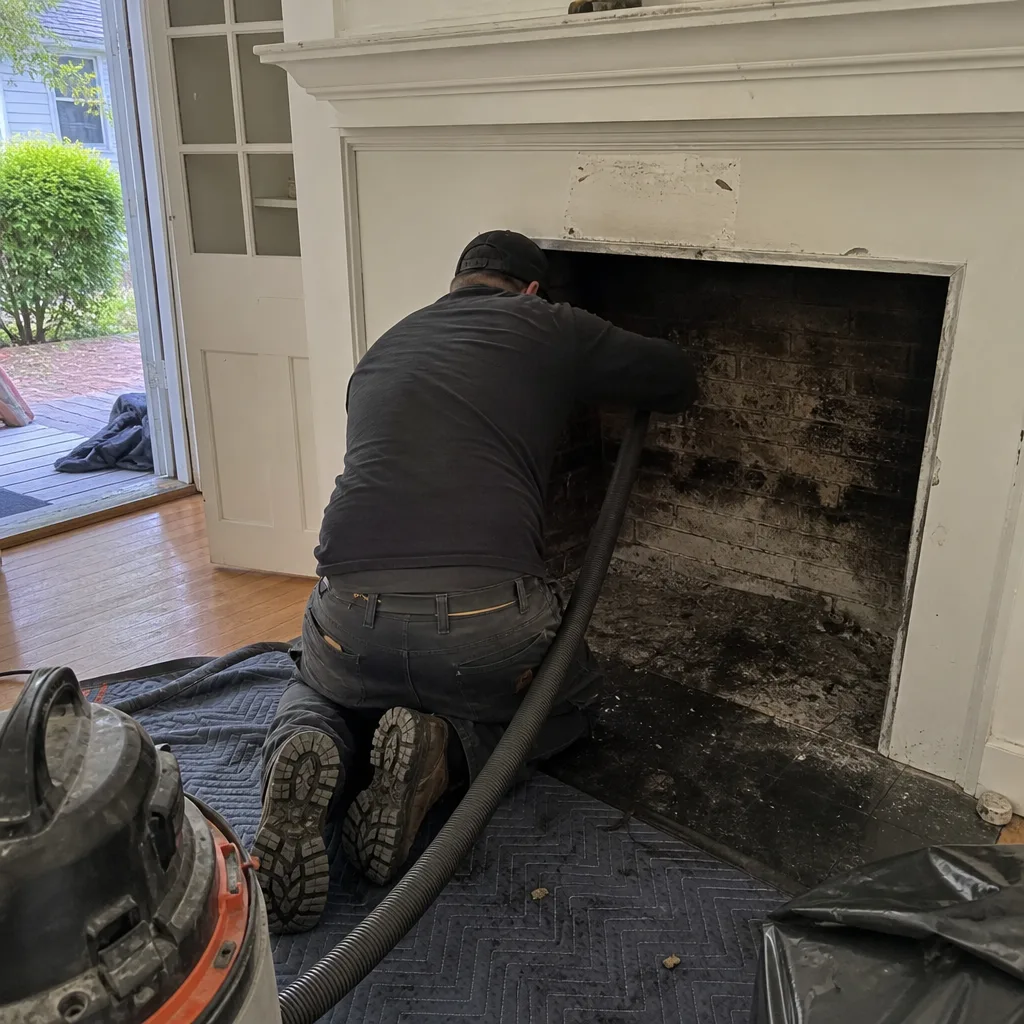 Before
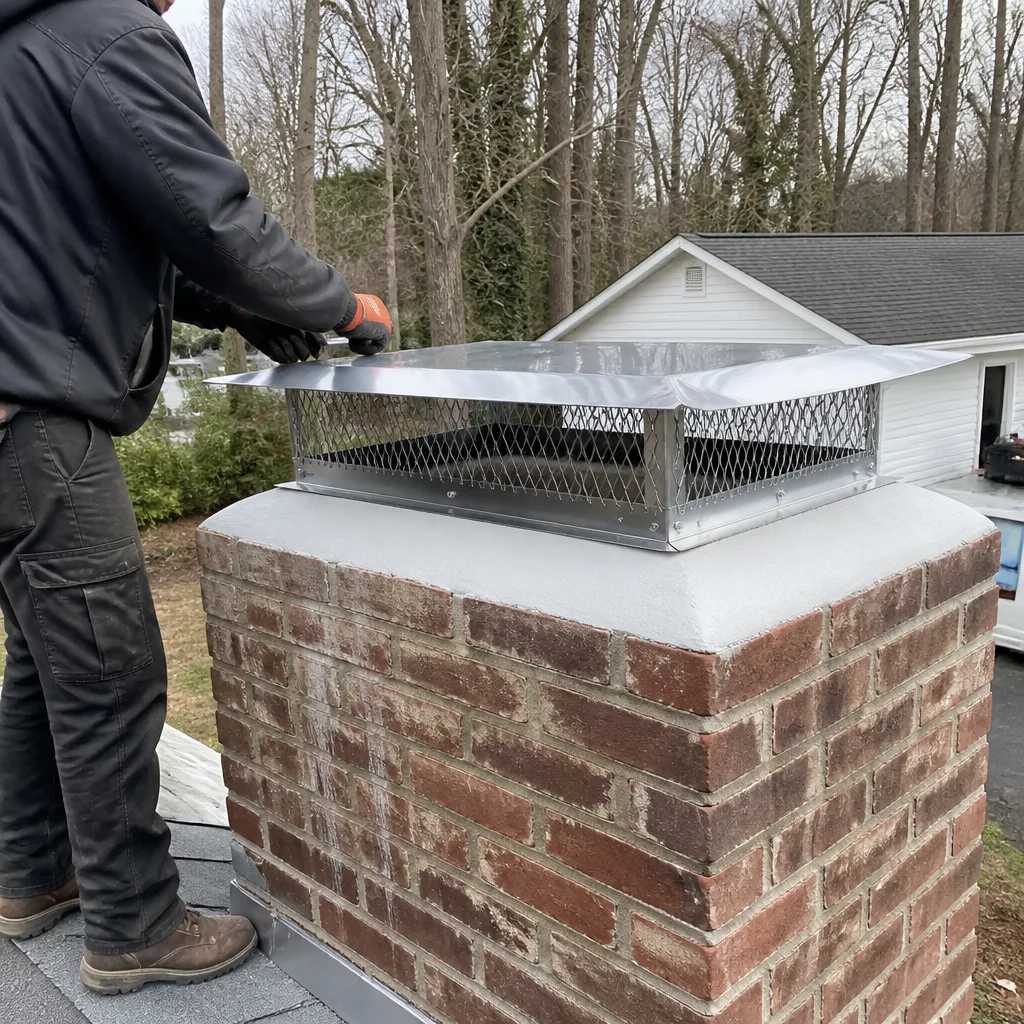 After
AfterDIY vs Professional Chimney Cleaning: The Southampton Homeowner’s Decision Guide
Most chimney fires in Southampton don’t start because someone skipped cleaning entirely. They start because a homeowner cleaned what they could see and missed what they couldn’t. In our 42 years serving eastern Long Island, we’ve opened flues in Shinnecock Hills and North Sea where the firebox looked spotless but the liner was cracked, or where light brushing had polished the surface creosote while leaving a hard, ignitable glaze above the smoke shelf. This guide maps exactly where your Saturday afternoon ends and where professional work begins, so you don’t discover the gap the hard way. For How to Hire a Chimney Cleaning Contractor in Southampton: A Step-by-Step Guide, see our companion resource.
Quick Answer
A Southampton homeowner can safely remove ash, clean the firebox, lubricate the damper, and perform a visual exterior inspection with photo documentation. Anything involving the flue interior, creosote beyond light powder, structural assessment, or liner integrity requires professional equipment and training. The real risk isn’t the cleaning you do yourself, it’s the conditions you cannot detect without a camera and the insurance implications if a fire occurs without professional documentation.
Table of Contents
- What Southampton Homeowners Can Safely Handle
- The Equipment Difference: What Pros Bring That You Cannot Buy
- The Insurance Angle: What Your Policy Actually Says About DIY Chimney Maintenance
- The Real Cost Comparison: DIY Savings vs. What Goes Wrong
- How Homeowners and Professional Sweeps Work Best Together
- Southampton’s Coastal Climate: Why Local Conditions Matter
- Common Mistakes to Avoid
- When to Call a Professional
- Frequently Asked Questions
- The Bottom Line
What Southampton Homeowners Can Safely Handle
There is honest work a careful homeowner can do, and doing it well makes the professional’s job more efficient. The key is knowing the boundary between maintenance and inspection, between surface cleaning and system evaluation.
Task 1: Ash and Debris Removal
After the fire is fully cold, remove ash with a metal shovel and place it in a metal bucket with a tight lid. Ash can stay hot for days. In Southampton, where many homes sit unoccupied through the week, we’ve seen smoldering ash ignite trash bags left in garages. Wait 72 hours minimum. Wear an N95 mask, ash is fine particulate and abrasive to lungs. Spread the ash on garden beds if you garden, or bag it for municipal pickup.
Task 2: Firebox Surface Cleaning
A stiff wire brush and warm water with mild dish soap will remove light soot from brick or refractory panel surfaces. Do not use chemical cleaners unless specified by your fireplace manufacturer, residue can affect draft and odor. Rinse thoroughly and allow 48 hours to dry before the next fire.
Task 3: Damper Maintenance
The damper, the metal plate that seals the flue when the fireplace is not in use, should open fully and close tightly. Apply high-temperature lubricant to the hinge and handle mechanism, products rated to 1,000°F are available at hardware stores. Work the damper through its full range of motion ten times after lubrication. If it still sticks, binds, or will not seal, note this for your professional. A failing damper costs more in heated air loss than most homeowners realize, particularly in Southampton’s shoulder seasons when temperatures swing daily. Our Seasonal Chimney Cleaning Care for Southampton: Year-Round Homeowner’s Guide covers what to watch each season.
Task 4: Exterior Visual Inspection with Photo Documentation
From the ground or a secure ladder, photograph the chimney crown, cap, and visible flashing. Note cracks, missing mortar, rust stains, or vegetation growth. Date these photos and store them. This documentation serves two purposes: you establish a baseline for change over time, and you provide your sweep with historical context that speeds their assessment. In Southampton’s salt-air environment, we’ve found that crown deterioration accelerates noticeably between years three and five after installation, earlier if the original seal was applied in humid conditions.
Task 5: Cap and Screen Cleaning
If you can safely reach the cap, remove accumulated leaves, nesting material, and soot buildup with a wire brush. Check that the screen mesh is intact, ¾-inch mesh is standard for spark arresting. Do not attempt this in high wind, on a wet roof, or without proper fall protection. The fall risk exceeds the maintenance benefit.
What these tasks share: they are surface-level, they require no penetration of the flue system, and their failure modes are visible and immediate. What they do not do is evaluate the conditions that cause chimney fires, carbon monoxide intrusion, or structural failure.
The Equipment Difference: What Pros Bring That You Cannot Buy
The gap between homeowner capability and professional assessment is not skill alone. It is equipment that costs more than most homeowners would spend for annual use, and training to interpret what that equipment reveals.
Level-2 Camera Inspection
A professional chimney inspection uses a high-resolution camera on a flexible rod, fed through the entire flue length. This reveals:
- Cracked or spalling flue tiles, often invisible from the firebox because the damage is on the upper surfaces
- Creosote buildup patterns that indicate draft problems or appliance mismatch
- Mortar joint deterioration between flue tiles
- Obstructions from collapsed liner sections or animal nesting
- Evidence of previous chimney fires, glazed and puffed creosote that looks smooth but is highly combustible
At Hearthstone Chimney Co., our Level-2 inspections end with photos the homeowner can see and a plain-English verdict. Documented like an engineer, explained like a craftsman. A homeowner with a flashlight and mirror cannot replicate this. The flue is dark, soot-coated, and often has offsets that block line-of-sight. More critically, the homeowner lacks the frame of reference to distinguish normal wear from pre-failure conditions.
Stage-Two and Stage-Three Creosote Removal
Creosote forms in stages. Stage one is flaky, light, and brushes away. Stage two is crunchy, porous, and requires a rotary chain system or similar mechanical action. Stage three is glossy, hardened, and essentially a layer of fuel adhered to the flue wall. It cannot be brushed off. It must be removed with specialized equipment, chemical treatment, or in severe cases, liner replacement.
In Southampton, we see accelerated stage-three buildup in homes that burn unseasoned wood, which is common because local hardwood suppliers sometimes deliver green oak or maple. The moisture content should be below 20%, measured with a meter that costs less than $30. Buy one. Use it. But when the creosote has already glazed, no amount of careful burning reverses it.
Draft Testing and Performance Measurement
Professional sweeps use manometers and draft gauges to measure the pressure differential that drives exhaust up the flue. Inadequate draft causes smoke spillage, accelerated creosote formation, and carbon monoxide risk. Draft problems stem from chimney height, surrounding rooflines, interior depressurization from modern HVAC systems, or flue sizing mismatched to the appliance. Diagnosis requires measurement, not guesswork. Southampton’s coastal wind patterns, particularly in exposed locations like Flying Point or Meadow Lane, create unique draft challenges that benefit from professional assessment.
Liner Integrity Assessment
Stainless steel liners, including DuraFlex systems, develop fatigue at flex points and corrosion at joints. Clay tile liners spall, shift, and crack from thermal cycling. A professional evaluates liner condition, fit, and compliance with current NFPA 211 standards. This is not visual. It is tactile and measured, requiring access to the full flue length and knowledge of what constitutes an acceptable versus condemned condition.
The Insurance Angle: What Your Policy Actually Says About DIY Chimney Maintenance
This is the point most guides omit, and it matters more than the cleaning itself.
Standard homeowner’s policies in New York do not explicitly require professional chimney cleaning. What they require is “reasonable maintenance” and they reserve the right to deny claims where negligence contributed to loss. In practice, after a chimney fire, the insurer’s adjuster will request maintenance records. A log of DIY ash removal and damper lubrication does not constitute professional chimney maintenance. A dated invoice from a certified sweep with inspection documentation does.
We have worked with Southampton homeowners who faced partial claim denial because their cleaning was self-performed and undocumented, or because the fire originated in a condition, cracked liner, improper clearances, deteriorated mortar, that a professional inspection would have identified. The adjuster’s argument is not that DIY cleaning caused the fire. It is that a professional would have found the hazard, and the homeowner’s failure to engage one constitutes preventable negligence.
The financial exposure is not the $200-$350 sweep fee you avoided. It is the $15,000-$80,000 fire damage that your policy may not fully cover. In Southampton’s high-value real estate market, where many homes exceed $2 million replacement cost, this gap can be catastrophic. Some carriers now offer premium discounts for documented annual professional inspection, similar to discounts for alarm systems or generator installation. Ask your agent. The answer may surprise you.
The written record matters. At Hearthstone Chimney Co., every inspection produces dated documentation, photos, and a condition assessment. In writing, no arguing. If you need it for your insurer, your real estate transaction, or your own peace of mind, it exists.
The Real Cost Comparison: DIY Savings vs. What Goes Wrong
The naive comparison is straightforward: a brush kit costs $40-$80, a professional sweep costs $200-$350. The homeowner “saves” $120-$310. This arithmetic ignores the cost of undetected conditions and the cost of errors made during DIY work.
Scenario 1: The Cracked Liner
A homeowner cleans the firebox thoroughly, brushes the flue from below with a standard poly brush, and sees no obvious problem. The flue liner, however, has a vertical crack at the third joint, invisible from below and undetectable without a camera. Combustible gases escape through this crack, overheat adjacent framing, and ignite. The resulting fire damages the chimney structure, attic, and roof. Professional repair: $8,000-$25,000. Professional inspection that would have caught it: $250.
Scenario 2: The Improper Clearance
A homeowner installs a new wood stove, confident in their research. The clearance to combustibles is 2 inches less than required by NFPA 211, a specification they did not know to check. After two seasons, pyrolysis of the adjacent wall stud lowers its ignition temperature. A normal operating fire ignites the wall. Insurance denies full coverage due to installation not performed by a certified professional. Repair cost: $50,000+. Professional installation with permit and inspection: $1,500-$4,000.
Scenario 3: The Damaged Flue During Cleaning
A homeowner uses a brush too large for the flue, or forces a brush past an offset. A clay tile cracks, dislodges, and blocks the flue. The next fire produces carbon monoxide that enters the living space through the damaged section. The emergency room visit, the subsequent professional repair, and the permanent anxiety about the system cost far more than any sweep fee.
Scenario 4: The Delayed Maintenance
The most common scenario is the simplest. A homeowner cleans conscientiously, does reasonable surface maintenance, and skips professional inspection for five years because nothing seems wrong. During that time, the crown seal fails, water enters, freeze-thaw cycles destroy the crown, and water infiltrates the flue system. By year five, the repair requires crown rebuild, partial flue relining, and masonry repointing. Caught at year two: crown seal, $400-$800. At year five: $6,000-$12,000.
| Scenario | DIY “Savings” | Actual Cost When It Fails | Professional Prevention Cost |
|---|---|---|---|
| Cracked liner undetected | $250 | $8,000-$25,000 | $250 inspection |
| Improper stove clearance | $2,000 | $50,000+ with possible denial | $1,500-$4,000 installation |
| Flue damage during DIY cleaning | $80 brush kit | $3,000-$8,000 + health risk | $250 professional sweep |
| Delayed crown maintenance | $400-$800 | $6,000-$12,000 | $400-$800 early repair |
The honest math: professional chimney service is not an expense to minimize. It is risk transfer, similar to insurance itself, with the added value that the professional prevents the loss rather than covering it after the fact.
How Homeowners and Professional Sweeps Work Best Together
The most effective relationship is not either-or. It is a division of labor where the homeowner’s regular maintenance makes the professional’s inspection more productive, and the professional’s documentation validates the homeowner’s care.
What the Homeowner Maintains
- Weekly during burning season: Remove ash when it approaches the grate level. Ash insulates, but too much restricts air flow and causes incomplete combustion.
- Monthly: Inspect the firebox for new cracks in brick or refractory panels. Photograph anything that has changed since last month.
- Seasonally: Lubricate the damper, clean the cap screen if safely accessible, and perform the exterior visual inspection with dated photos.
- Annually: Test smoke and CO detectors, verify fire extinguisher charge, and review your homeowner’s policy for any maintenance requirements or discount opportunities.
What the Homeowner Documents
Keep a simple log: dates of cleaning, photos of exterior condition, notes on any changes in performance, smoke odor, draft behavior, or unusual sounds. This log serves your professional and, if needed, your insurer. It demonstrates consistent care and provides diagnostic clues that speed accurate assessment.
When to Call So the Professional Appointment Is Efficient
Schedule professional service when:
- You observe any change in performance: smoke spillage, odor when not in use, visible exterior staining, or draft that seems weaker than previous seasons
- Your log shows a condition that has progressed since last year
- You are purchasing a home, even new construction, builder-grade chimney work is notoriously inconsistent
- You are changing appliances: new stove insert, gas conversion, or pellet system
- It has been more than 12 months since professional inspection, regardless of use, because Southampton’s coastal environment affects chimneys even when not in active use
When you call, mention what you’ve observed and what you’ve maintained. A professional can target the inspection, verify your work, and focus effort where hidden conditions are most likely. This saves time and produces better documentation. At Hearthstone Chimney Co., our Chimney Cleaning & Sweep in Southampton includes this collaborative approach. We want to see your photos. They tell us what the chimney has experienced.
Southampton’s Coastal Climate: Why Local Conditions Matter
Chimney maintenance is not generic. The environment in Southampton creates specific stresses that inland guides do not address.
Salt air accelerates corrosion of metal components. Stainless steel caps, spark arrestors, and damper hardware that might last 20 years in Syracuse show pitting and weld failure in 12-15 years here. We inspect for this specifically. The brands we specify, DuraFlex for liners and Copperfield for caps and accessories, are selected for marine-environment resistance, not merely general durability.
Wind exposure is extreme in exposed locations. Chimney caps must be securely attached with stainless steel fasteners, not aluminum, and the crown must be properly sloped to shed wind-driven rain. We’ve replaced caps that blew off in nor’easters, and the underlying water damage is always more extensive than homeowners expect.
Freeze-thaw cycling is severe despite moderated coastal temperatures. The ground does not freeze deeply, but surface temperatures fluctuate rapidly. Wet brick that experiences daily freeze-thaw through winter suffers spalling and mortar degradation. Proper crown design, with adequate overhang and drip edge, is essential to keep water off the masonry below.
Finally, Southampton’s seasonal population creates a usage pattern that damages chimneys: intensive use for three months, then complete dormancy. This thermal cycling, hot to cold to hot, stresses liner and masonry more than steady moderate use. We see more thermal-shock cracking in second-home chimneys than in year-round residences.
These conditions mean that a chimney in Southampton ages differently than the same construction in a different climate. Local experience matters. Generic advice from national sources, or from a sweep who primarily works inland, misses these factors.
Common Mistakes to Avoid
- Using a household vacuum for ash cleanup. Standard vacuums have filters that pass fine ash particulate, which is abrasive and potentially combustible if embers remain. The motor can ignite residual hot material. Use only a vacuum rated for ash, with a metal hose and HEPA filtration.
- Brushing a flue without inspecting it first. A damaged liner can be worsened by brush contact. A lodged obstruction, collapsed tile section, or bird nest can be driven deeper, complicating removal. Visual assessment from below, limited as it is, should precede any mechanical action.
- Assuming gas fireplaces need no service. Gas systems produce corrosive condensation, particularly in cold chimneys that do not warm quickly. The burner, pilot, and venting require annual inspection. In Southampton, where many gas inserts serve second homes, delayed ignition from spider webs in burner orifices is a known failure mode.
- Ignoring the smoke chamber. The area above the damper and below the flue entrance is often the most heavily coated surface, and the most difficult to access. DIY brushing of the firebox and lower flue misses this accumulation entirely. It is also where many chimney fires originate.
- Using chemical creosote removers as a substitute for mechanical cleaning. These products modify creosote to make it more brushable, but they do not remove it. Used improperly, they can create a flammable slurry or produce noxious fumes. They are a preparatory step, not a solution.
- Failing to document condition before and after. Without photos, you cannot demonstrate maintenance to an insurer, a buyer, or yourself five years later. Memory is unreliable. The photo timestamp is not.
- Delaying professional service after observing a change. Smoke odor when the fireplace is not in use, a new draft problem, or visible exterior staining are not maintenance items. They are symptoms of conditions that require professional diagnosis. Waiting converts a $400 repair into a $4,000 repair with remarkable consistency.
When to Call a Professional
Call a professional sweep when you need a Level-2 inspection with camera documentation, when creosote exceeds light surface accumulation, when you observe any performance change, when you are buying or selling a home, when you are changing appliances, or when it has been more than 12 months since professional service. In Southampton’s coastal environment, annual inspection is prudent even for minimally used systems.
Call immediately if you experience a chimney fire, indicated by a loud roaring sound, dense smoke, or flames visible at the chimney top. Even a small, self-extinguished fire damages liner and masonry in ways that require professional assessment before the next use.
Hearthstone Chimney Co. offers free estimates in Southampton. Call (516) 619-2915. A live person answers, 24 hours a day, every day. We’ll schedule a time that works, arrive when we say, and leave you with photos you can see and a plain-English verdict. Done right, and we stand behind it.
Frequently Asked Questions
A standard Level-1 sweep and inspection in Southampton typically runs $200-$350, while a Level-2 inspection with camera documentation ranges $300-$500 depending on accessibility and system complexity. See our Chimney Cleaning Cost Breakdown: The Southampton Homeowner’s Reference for 2026 for detailed pricing factors. Factors that increase cost include multiple flues, steep roof pitch, and the presence of stage-two or stage-three creosote requiring mechanical removal. Our $89 Seasonal Tune-Up offers a basic inspection and cleaning for qualifying systems. Call (516) 619-2915 for an exact quote, estimates are free.
You should never accept a liner recommendation without seeing camera evidence of the damage and receiving a plain-English explanation of why repair is insufficient. At Hearthstone Chimney Co., we show you the photos, explain the failure mode, and tell you honestly when a condition can be monitored rather than replaced. If another company has recommended liner replacement, we offer a free second opinion on any written estimate. Our 90-Day Done Right Promise applies to every job, in writing, with no arguing.
The National Fire Protection Association recommends annual inspection, with cleaning frequency determined by use and fuel type. For more guides & resources on maintaining your system, explore our blog. A Southampton home burning seasoned hardwood as a primary heat source typically needs annual sweeping. Occasional decorative use may extend to every two years, but the coastal environment, salt air, and freeze-thaw cycling still warrant annual inspection even with minimal use. Gas systems require annual burner and venting inspection regardless of use hours.
Skipped maintenance allows creosote accumulation, which increases chimney fire risk. It permits water intrusion through deteriorated crowns or flashing, leading to masonry damage and potential structural compromise. It misses liner degradation that can allow carbon monoxide into living spaces or combustible gases to overheat adjacent framing. In Southampton specifically, salt-air corrosion of metal components accelerates when not monitored. The cumulative effect is higher repair costs, insurance complications if damage occurs, and genuine safety hazards that develop silently. Call (516) 619-2915 to schedule before the burning season begins.
Chimney cleaning logs contain chemicals that modify creosote, making it more brittle and potentially more brushable. They do not remove creosote, they do not inspect for damage, and they do not address any condition beyond surface creosote. Used in a system with significant buildup, they can create a flammable slurry or produce hazardous fumes. They are not a substitute for professional service and are not recognized by insurers as maintenance documentation. We do not recommend them as a primary strategy.
Indicators include puffy or honeycombed creosote deposits, discolored or distorted rain caps or damper hardware, smoke damage on the exterior masonry, cracks in exterior masonry, or a neighbor’s report of flames at your chimney top. Some chimney fires are dramatic and obvious; others are slow-burning and silent. Either type damages liner and masonry. If you suspect a prior fire, professional camera inspection is essential before the next use. The damage may not be visible from below but can render the system unsafe. Call (516) 619-2915 for priority scheduling.
The Bottom Line
The question is not whether you are capable of cleaning your chimney. A careful Southampton homeowner can maintain the firebox, manage ash, lubricate the damper, and document exterior condition. The question is whether you can evaluate what you cannot see, and whether your insurer will stand with you if you guess wrong.
Professional chimney service is not about replacing your competence. It is about extending your senses into places you cannot reach, interpreting conditions you have not been trained to recognize, and producing documentation that protects your home and your coverage. The division of labor is clear: you maintain what you can see and reach, we inspect and document what you cannot, and together the system stays safe, efficient, and insurable.
At Hearthstone Chimney Co., we’ve served Southampton and eastern Long Island for over 42 years. We’re not going anywhere. Our Chimney Repair in Southampton and Fireplace Services in Southampton use professional-grade materials from DuraFlex, HeatShield, Gelco, and Copperfield. Our technicians are background-checked, uniformed, and complete most jobs in a single visit. Our pricing is upfront, the estimate matches the invoice, and our 90-Day Done Right Promise is in writing with no arguing.
Call (516) 619-2915 for a free estimate. A live person answers, every hour of every day. We’ll be there when we say, and we’ll leave you with photos you can see and a verdict you can understand. Done right, and we stand behind it.
Written by Russell Haines, Owner at Hearthstone Chimney Co., serving Southampton since 2014.