
Last updated September 10, 2026
Level 1 sweep and inspection to the NFPA 211 annual standard - flue, crown, cap, and flashing checked and photographed
Chimney sweep logs do not sweep chimneys. They loosen some creosote - which then falls where a brush and vacuum still have to collect it.
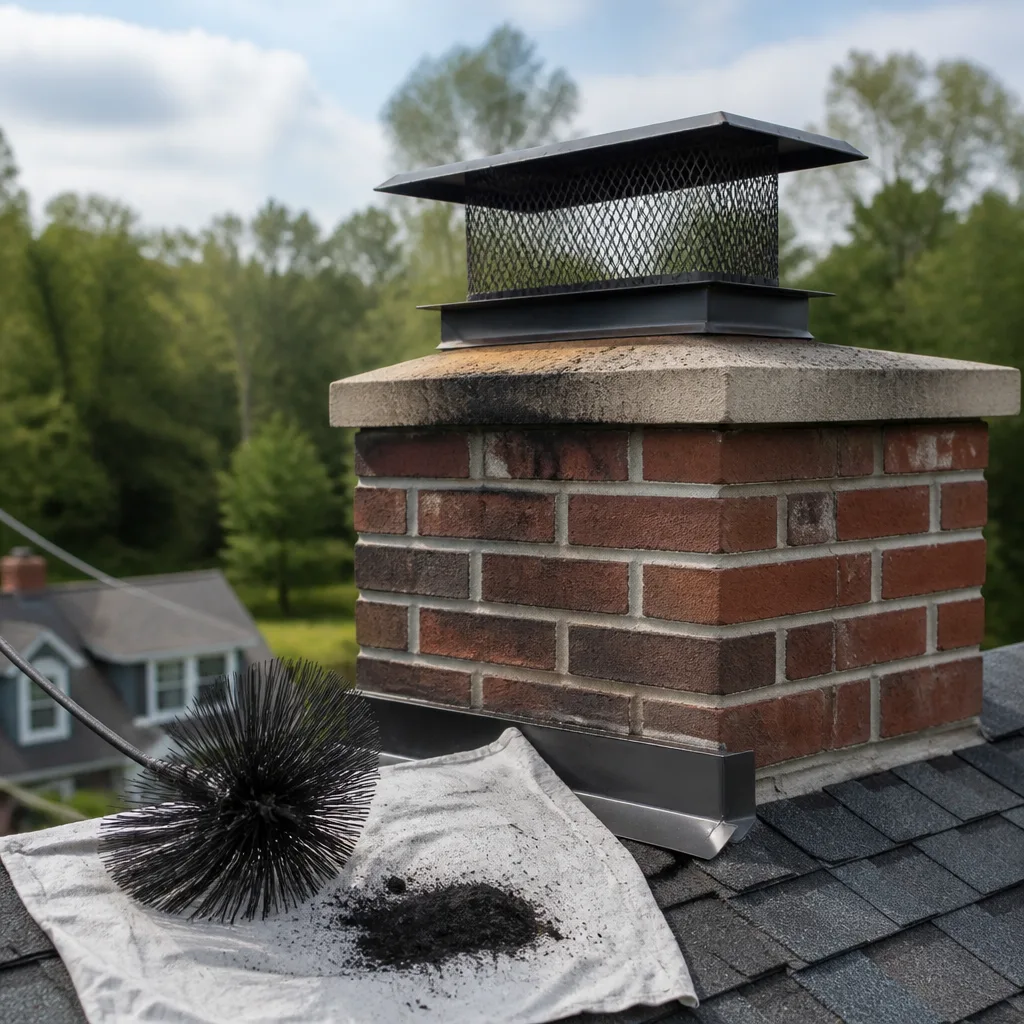
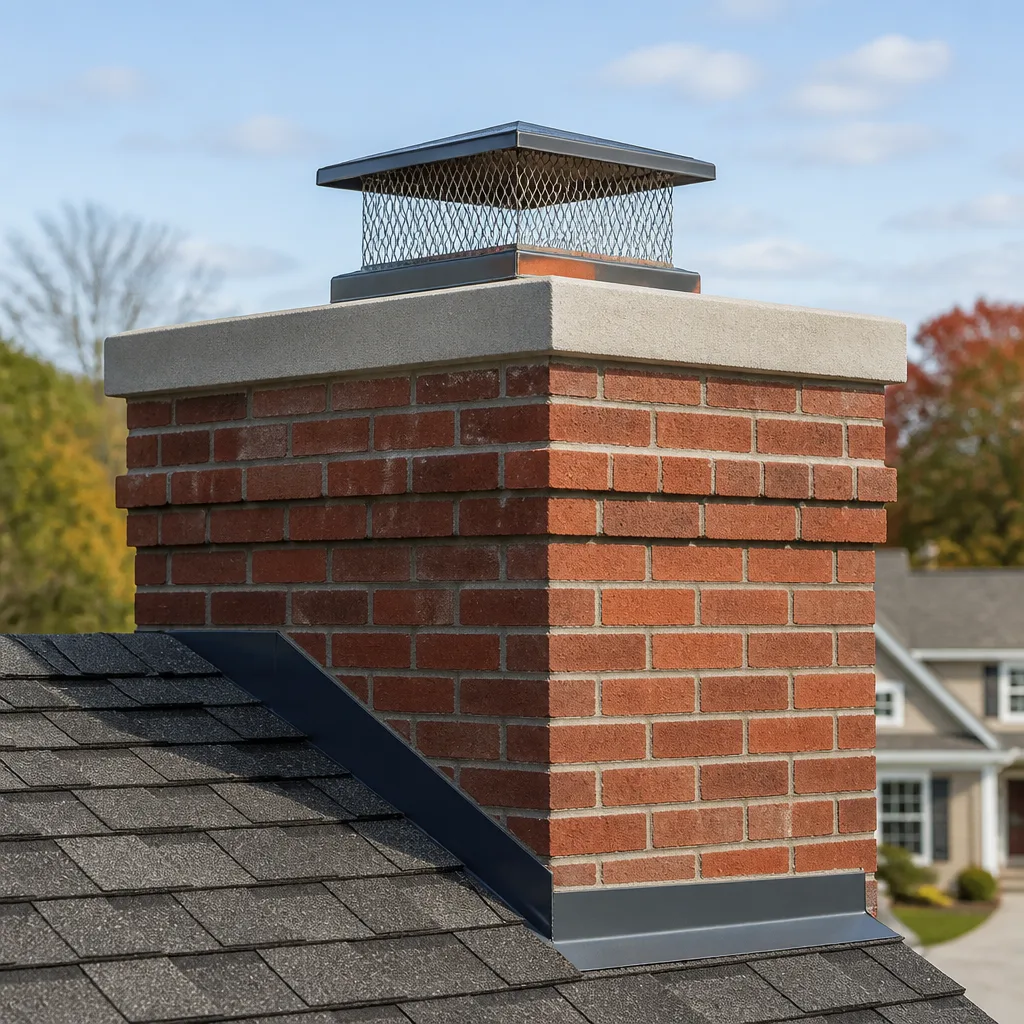
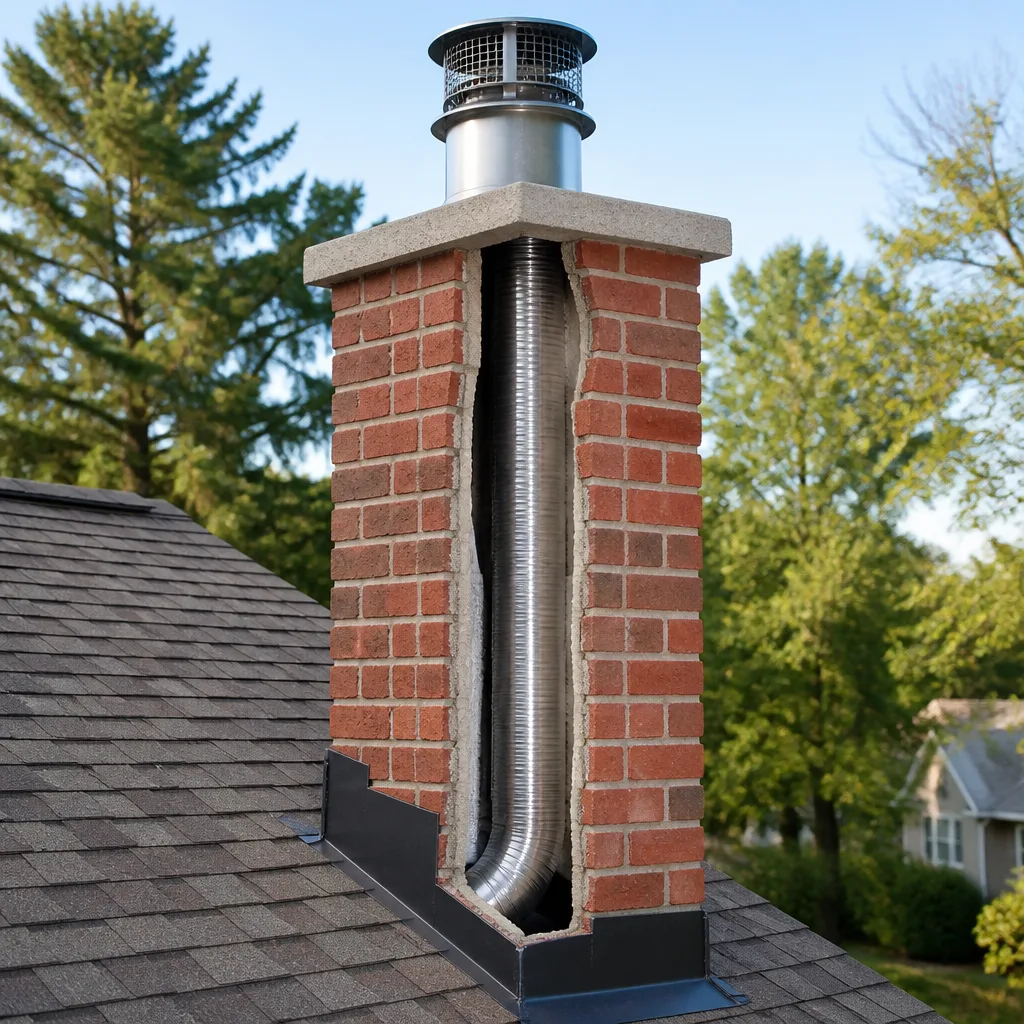
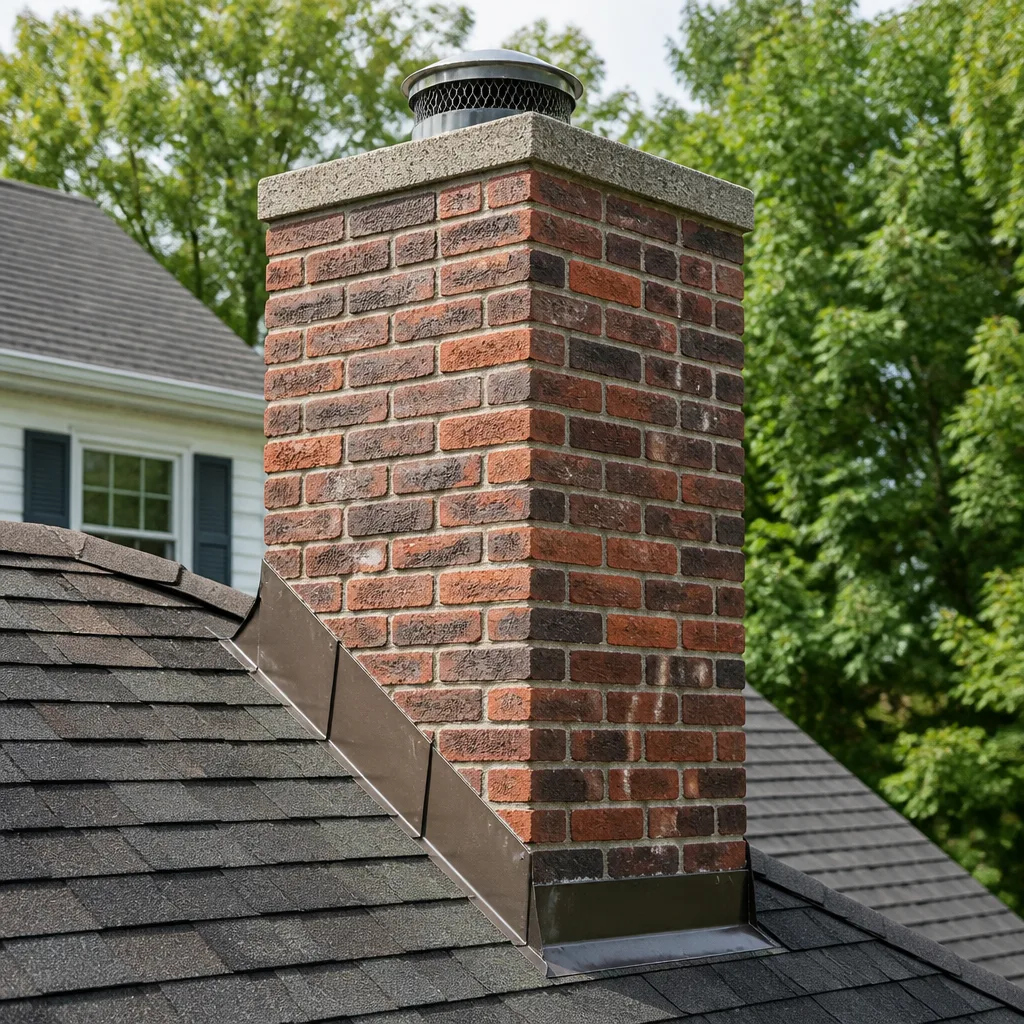
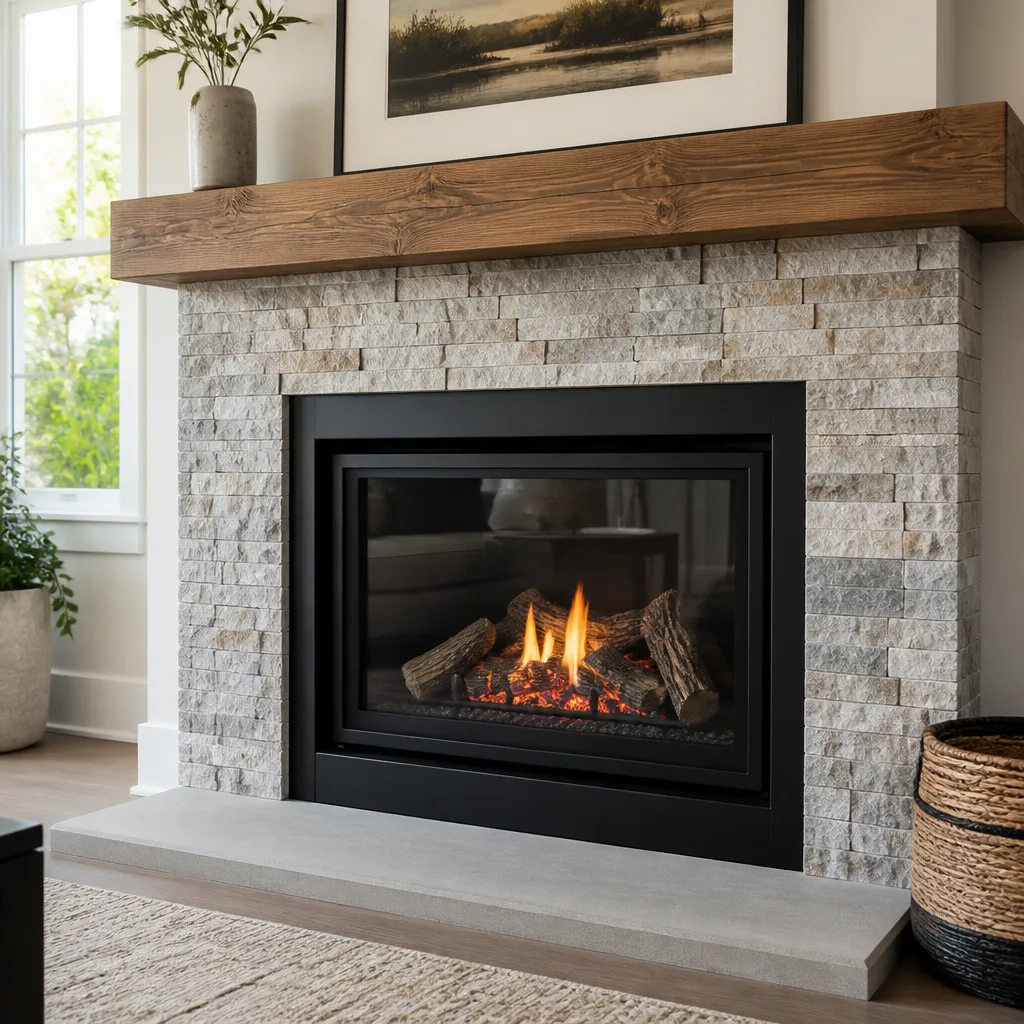
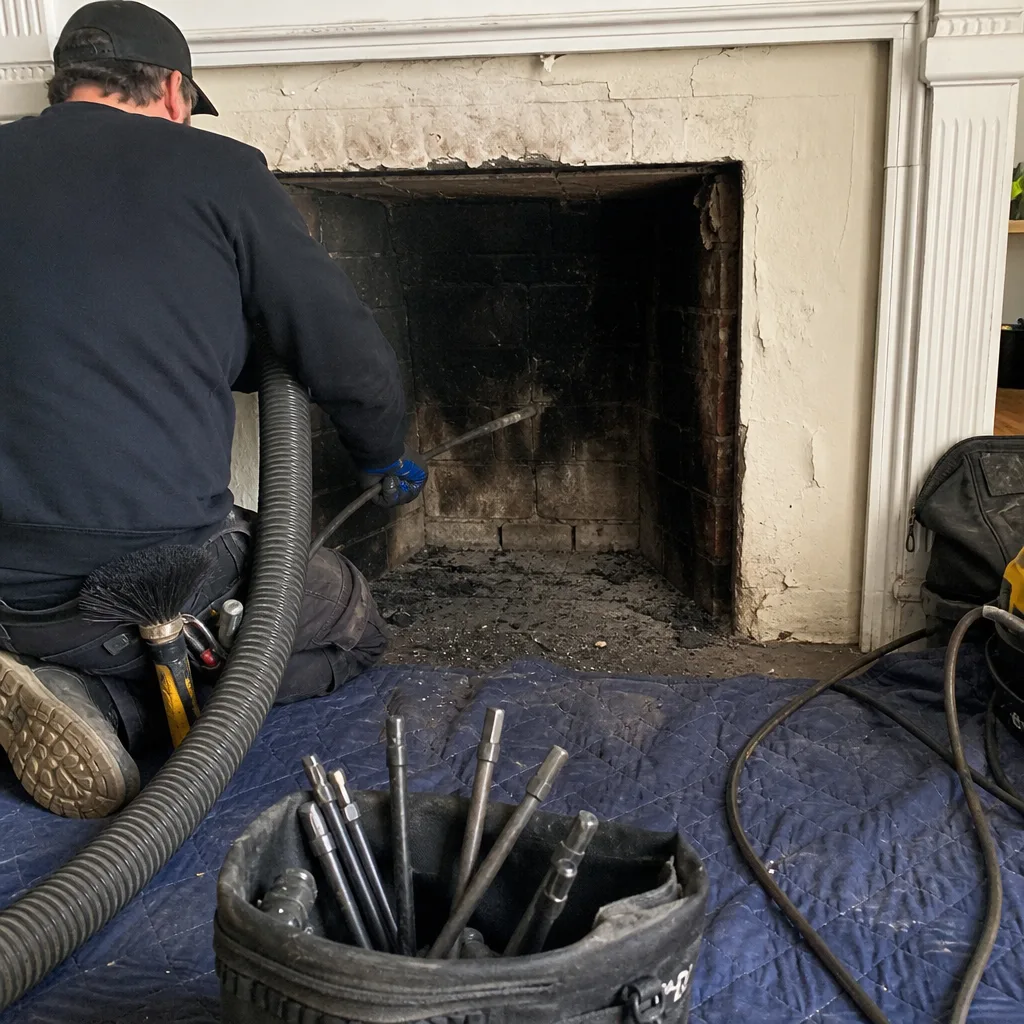 Before
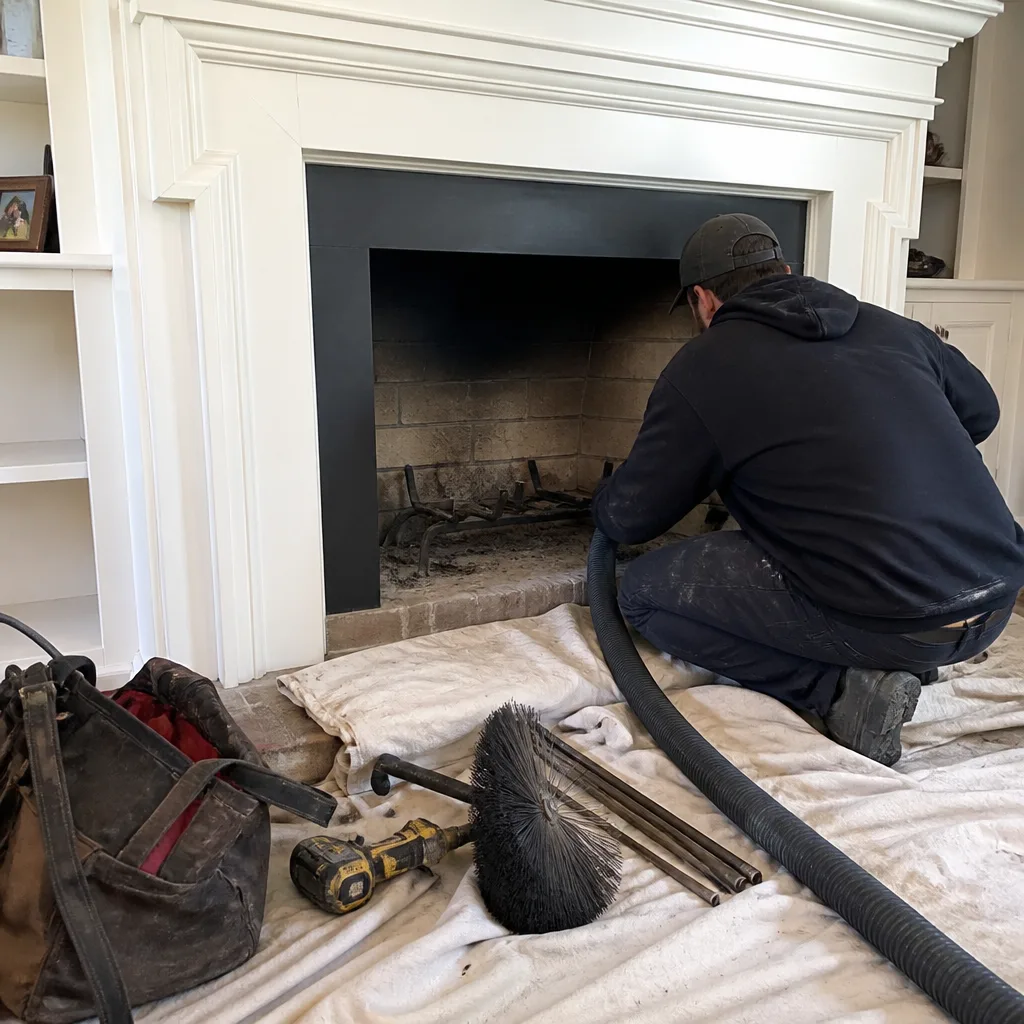 After
After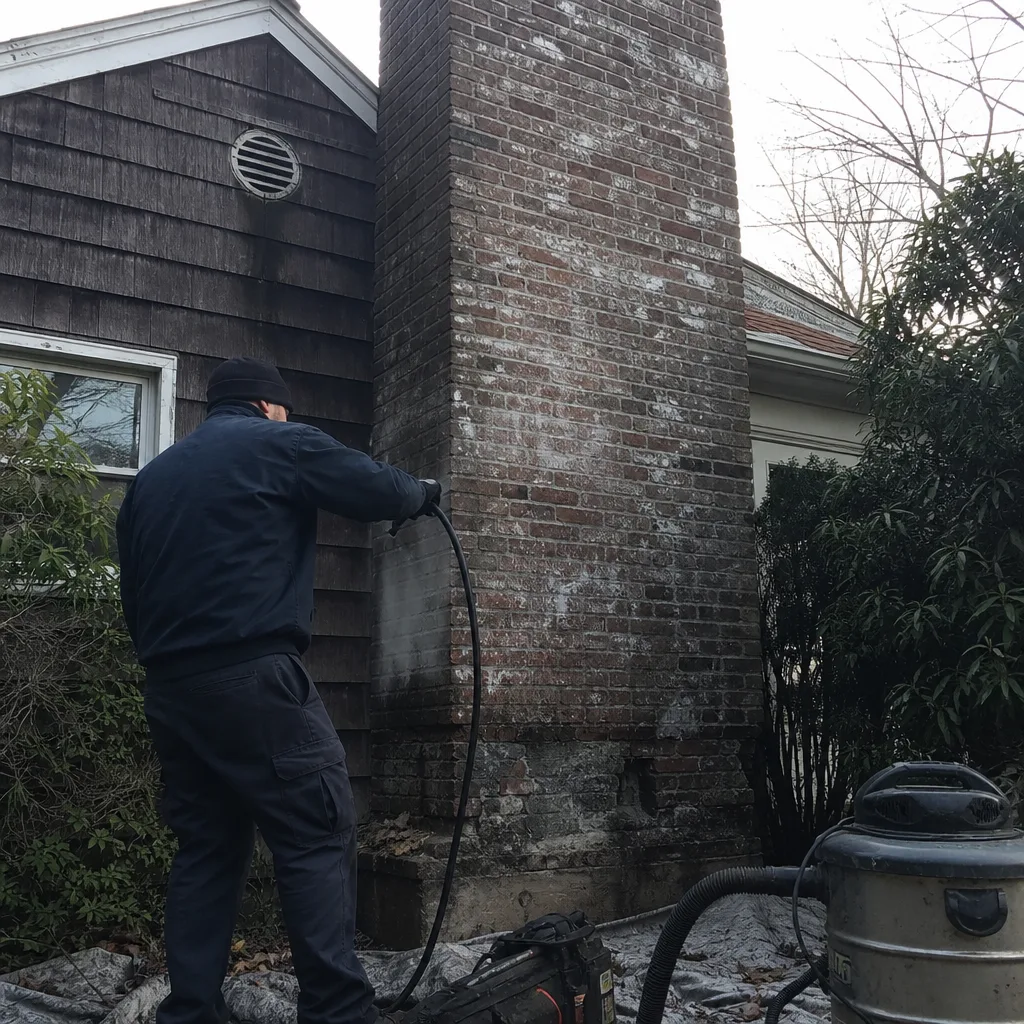 Before
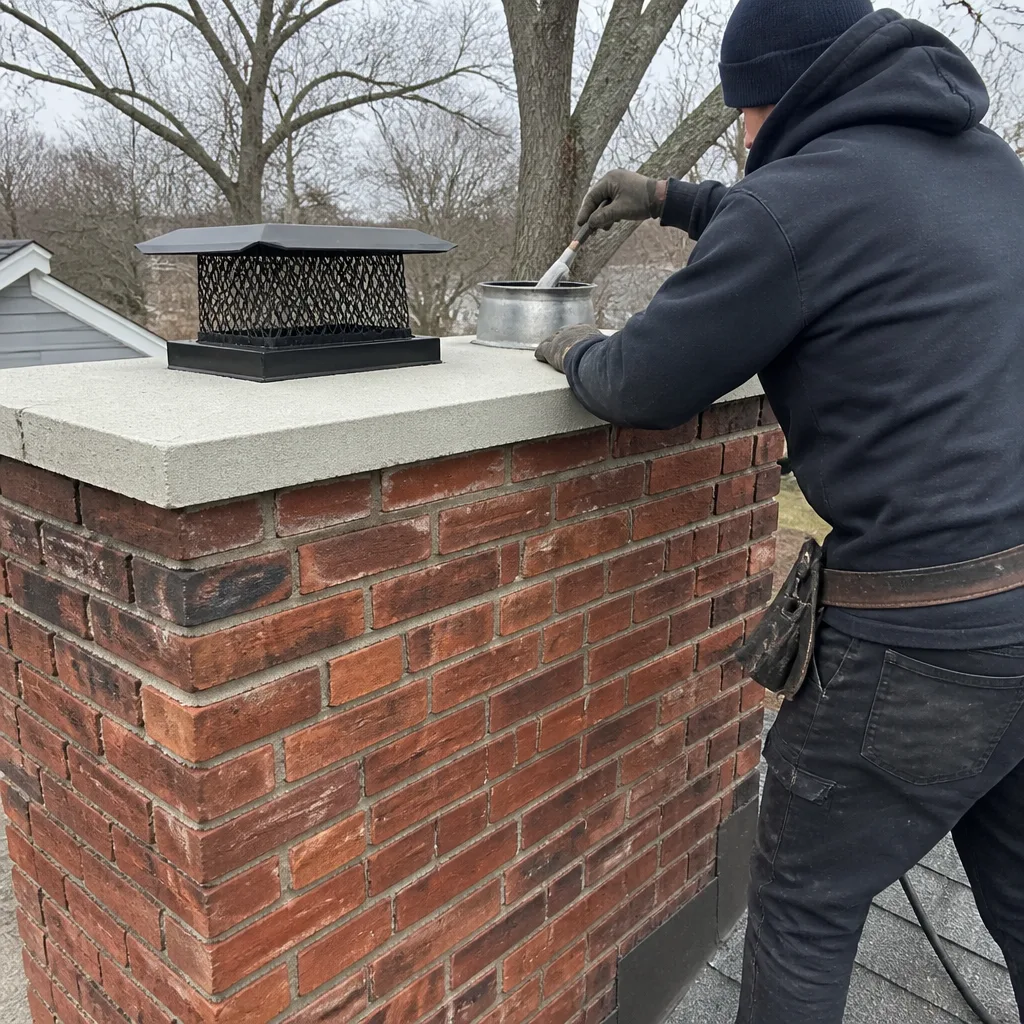 After
After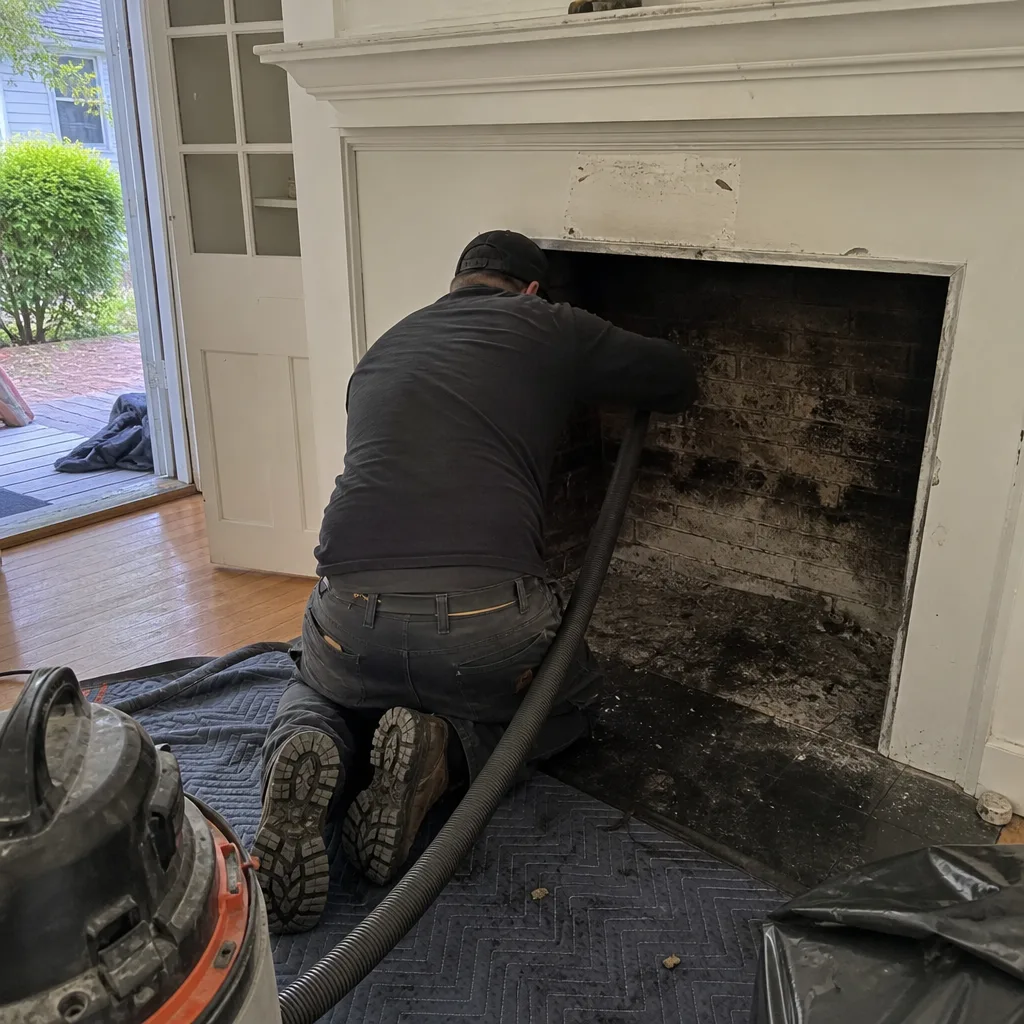 Before
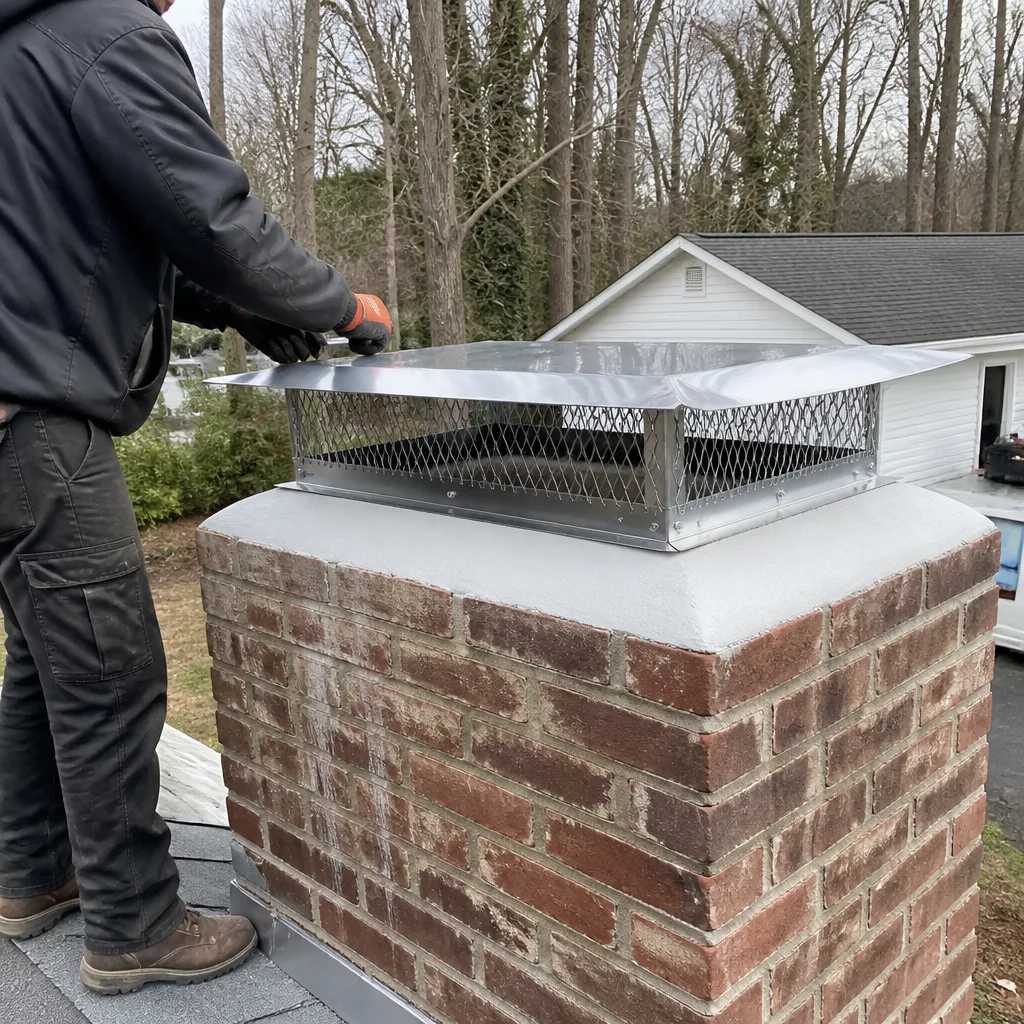 After
AfterChimney Cleaning Warning Signs: A Southampton Homeowner’s Reference Guide
A chimney fire doesn’t announce itself with a dramatic explosion. It often sounds like a low rumble or a distant freight train, burns for under a minute, and leaves damage that only a camera inside the flue will find - by which point you’ve already lost the moment to prevent it. In Southampton, where salt air accelerates crown deterioration and mature oak trees shed debris that finds its way into uncapped flues, the warning signs of a chimney in distress are usually subtle, gradual, and easy to rationalize away. This guide teaches you to read those early signals before a fire, a failed inspection, or a carbon monoxide alarm makes the decision for you.
Quick Answer
The clearest warning signs your Southampton chimney needs cleaning are: persistent odors that change character depending on the weather, smoke that spills into the room during specific wind conditions, visible creosote buildup above the firebox, and exterior mortar or crown damage visible from the ground. Most of these indicators appear weeks or months before a chimney fire or draft failure becomes dangerous. If you notice two or more of these signs, read our step-by-step guide to hiring a chimney cleaning contractor in Southampton and schedule a Level-2 camera inspection before the next burning season.
Table of Contents
- The Four Odor Signatures and What Each One Means
- Exterior Visual Tells You Can Spot from the Ground
- Reading Smoke Behavior: Blockage, Draft, and Coastal Wind
- Fireplace Interior Signs the Sweep Needs to See
- How to Document Warning Signs Before Your Appointment
- Southampton-Specific Risks: Climate, Trees, and Coastal Codes
- Common Mistakes to Avoid
- When to Call a Professional
- Frequently Asked Questions
The Four Odor Signatures and What Each One Means
Most Southampton homeowners know their chimney has a smell. Few know that the character of that smell is diagnostic. In our 42 years of sweeping chimneys from Shinnecock Hills to North Sea, we’ve learned to treat odor like a vital sign. Here is what four distinct smells indicate about urgency and required action.
Musty or Animal Smell
This is the odor of moisture trapped with organic material, and in Southampton it peaks in late March and early November when temperature differentials between the flue and the house are greatest. The cause is usually one of three things: a missing or damaged chimney cap allowing rain and leaf debris to enter, a vacant chimney that has become nesting territory for squirrels or starlings, or a crown crack that funnels water down the flue wall where it saturates the smoke chamber.
The urgency here is moderate but not indefinite. Moisture + time = masonry damage, and masonry damage in a salt-air environment accelerates faster than inland. If the smell intensifies after rain, you likely have an active water entry point. If it persists in dry weather, you may have a nest or carcass situation that requires removal before sweeping can proceed safely.
Sharp, Acrid Smell
This is the smell of active creosote, and it means your chimney is approaching or has exceeded safe operating limits. Creosote odor is most noticeable on humid days when the hygroscopic deposits release volatile compounds. The smell is sharper than wood smoke, more chemical, and it clings to curtains and upholstery near the hearth.
In Southampton, we see this most often in homes that burn improperly seasoned oak or pine, or in fireplaces that are used for “ambiance” fires - short, smoldering burns that never reach the temperatures needed to drive complete combustion. The acrid smell is your chimney’s warning that the next hot fire could ignite stage-two or stage-three creosote deposits. This is not a smell to wait out.
Sulfur or “Rotten Egg” Smell
This is the most dangerous odor on the list, and it indicates combustion gases are entering your living space. The sulfur smell comes from incomplete combustion of sulfur compounds in fuel, and its presence in the room means your chimney is not drafting properly. Causes include a blocked flue, a cold chimney that fails to establish draft, negative pressure in a tightly sealed modern home, or a damaged liner allowing flue gases to leak into the chimney cavity.
If you smell sulfur while a fire is burning, extinguish the fire safely, open windows for ventilation, and do not use the fireplace until a Level-2 inspection has identified the cause. Carbon monoxide is odorless; the sulfur compounds that accompany it are not. Their presence is a proxy for a potentially lethal condition.
Metallic or “Hot Metal” Smell
This odor suggests liner damage: a cracked clay tile, a separated stainless steel liner joint, or a deteriorating cast-in-place liner exposing the metal components of the damper or smoke shelf to direct flame contact. The metallic smell is most noticeable during or immediately after a hot fire, and it often accompanies a ticking or pinging sound as metal components expand and contract under thermal stress.
In Southampton’s older homes, particularly those built before 1980 with original clay tile liners, metallic smells often precede visible liner damage by one or two burning seasons. The liner has begun to spall or crack, exposing the metal damper frame to heat it was never designed to withstand. Left unaddressed, this progresses to liner collapse or a chimney fire that breaches the flue wall.
Key takeaway: Track when each smell appears, what weather conditions accompany it, and whether it is getting stronger. This history is the first thing a qualified sweep will ask for, and it directs the inspection to the right subsystem.
Exterior Visual Tells You Can Spot from the Ground
You do not need a ladder to gather useful intelligence about your chimney’s condition. In Southampton, where many chimneys are visible from the street or a second-story window, exterior inspection from the ground is a practice we encourage every homeowner to adopt in spring and fall. Here is what to look for, and what each finding means.
Crown Cracking Patterns
The concrete crown at the top of your chimney is not decorative. It is the primary water-shedding component, and its condition determines whether water enters the masonry core. From the ground, use binoculars or a zoomed phone camera to examine the crown surface.
- Hairline cracks radiating from the flue tile: Thermal expansion stress. Common in chimneys with stainless steel liners that expand and contract at a different rate than the surrounding masonry. Requires monitoring; sealing with a flexible crown coat product like HeatShield before winter prevents water infiltration.
- Spiderweb cracking across the entire crown surface: Age deterioration and freeze-thaw damage. The crown is approaching failure and needs replacement or resurfacing. In Southampton’s coastal climate, this pattern accelerates when salt spray reaches roof-level masonry.
- Edge spalling or chunks missing: Physical damage from falling branches, ice, or previous contractor foot traffic. Exposes the chimney’s top course of brick to direct water entry. Needs immediate attention before the next rain event.
Efflorescence Streaks
These white, powdery deposits on the brick face are soluble salts carried to the surface by water moving through the masonry. Their presence proves water is getting in, and their location indicates where. Efflorescence concentrated on the chimney’s north or east face suggests crown or cap leakage. Streaks emerging from specific mortar joints point to joint failure at that elevation. Widespread efflorescence with accompanying brick spalling means the chimney has absorbed enough water that freeze-thaw cycles are beginning to destroy the masonry matrix.
In Southampton, efflorescence is particularly common on chimneys within a mile of the ocean, where salt-laden air increases the ionic content of infiltrating water. The salt accelerates both the efflorescence and the underlying masonry decay.
Rusted Cap Mesh or Flue Tile Staining
A chimney cap’s mesh sides are its spark arrestor, and they are typically galvanized or stainless steel. Rust streaks running down from the cap indicate the mesh has been compromised by salt air or age, or that water is pooling on the cap surface due to improper slope. Either condition reduces the cap’s effectiveness and invites animal entry.
Dark staining on the exposed flue tile above the crown, visible when the cap is offset or missing, indicates creosote or moisture staining that should not be present on a properly functioning chimney. This is often the first visible sign of a flue that has not been cleaned in multiple seasons.
Mortar Joint Color Change
Fresh mortar is gray-tan. As it absorbs water and weathers, it darkens. A chimney with uniformly darkened mortar joints has been wet for an extended period. More diagnostically useful is uneven darkening: joints that are dark only above a certain height, or only on one face. This pattern indicates a specific water entry point - a crown crack, a missing brick, or a failed flashing detail - rather than generalized weathering.
Photograph these patterns from the same vantage point each season. Change over time is more meaningful than any single observation, and a sequence of dated photos is documentation that protects both you and your sweep if warranty questions arise later.
Reading Smoke Behavior: Blockage, Draft, and Coastal Wind
Smoke that does not go up the chimney is the warning sign most homeowners recognize, but the timing and conditions of smoke spillage tell a more specific story than the fact of spillage itself. In Southampton, where coastal wind patterns differ significantly from inland New York, understanding these variables prevents misdiagnosis and unnecessary expense.
Spillover at Fire Start
Smoke that rolls into the room when you first light the fire, then clears as the fire establishes, is usually a cold flue problem. The air column inside the chimney is colder and denser than the room air, and it resists the initial buoyancy of the smoke. This is common in chimneys on the north side of the house, in chimneys that have not been used for weeks, and in tall chimneys that contain a large volume of cold air.
The correct response is pre-warming: light a rolled newspaper or commercial firestarter at the damper level and hold it until you feel warm air rising. If spillover persists beyond the first five minutes of a established fire, the cause is not a cold flue and requires professional evaluation.
Spillover During Specific Wind Conditions
Southampton’s prevailing winds are southwest in summer and northwest in winter, but local topography creates significant variation. Chimneys in low-lying areas near Shinnecock Bay experience downdrafts when wind flows over the water and strikes the house from the southeast. Chimneys on the elevated ridge of Southampton Village catch westerlies that create pressure differentials across the roofline.
If smoke spillage correlates with wind direction, the cause is likely a downdraft condition exacerbated by chimney height, surrounding trees, or roof geometry. Solutions range from extending the chimney height (often impractical) to installing a code-compliant draft-inducing cap. The important distinction: this is a design problem, not a maintenance problem, and cleaning the chimney will not resolve it.
Spillover That Worsens as the Fire Burns
Smoke that is minor at fire start but increasingly problematic as the fire intensifies suggests a partial blockage that is being progressively sealed by creosote or debris. Common causes include a bird nest that shifts under draft pressure, a broken tile liner fragment that dams the flue at a joint, or a buildup of glazed creosote that reduces flue diameter below the minimum required for the fireplace’s opening area.
This pattern is particularly dangerous because the homeowner often compensates by building smaller, cooler fires - which increases creosote deposition and worsens the underlying condition. A Level-2 camera inspection is the only way to identify the specific obstruction and determine whether sweeping, repair, or liner replacement is indicated - see DIY vs professional chimney cleaning to understand why this isn’t a job for homeowners.
Spillover in Tightly Sealed Homes
Modern air-sealing, energy recovery ventilators, and powerful kitchen exhaust fans can create negative pressure that overwhelms a chimney’s natural draft. In Southampton’s newer construction and extensively renovated older homes, we see this increasingly. The chimney is clean, the liner is intact, the cap is present - but the house is so tight that the fireplace cannot compete with the mechanical exhaust for makeup air.
Diagnosis requires a trained technician with a manometer to measure pressure differentials during normal household operation. Solutions include dedicated combustion air supplies, barometric dampers, or operational protocols (open a window when the fireplace operates). This is not a chimney defect, but it is a chimney problem, and it requires a sweep who understands building science, not just brush work.
Fireplace Interior Signs the Sweep Needs to See
The area inside your fireplace, from the firebox floor to the smoke chamber above the damper, contains evidence that is invisible from the exterior and often missed by homeowners who do not know what to look for. These are the signs we ask Southampton clients to photograph and describe before we arrive, so our inspection is targeted and efficient.
Oil Staining Above the Firebox Opening
A dark, greasy stain on the masonry or facing material above the fireplace opening indicates smoke spillage that has occurred repeatedly over time. Unlike soot, which is dry and powdery, this staining has an oily residue from the unburned hydrocarbons in wood smoke. It means the fireplace has been spilling smoke at the top of the opening, usually because the flue is undersized for the fireplace opening or because the smoke chamber is improperly shaped.
In Southampton’s 1960s and 1970s ranch homes, we see this frequently: builders installed large, attractive fireplace openings with flues sized for much smaller units. The result is chronic smoke staining that homeowners learn to live with, not recognizing it as a warning sign of inadequate draft and incomplete combustion.
Glassy Black Deposits on the Damper Plate
The damper plate, visible when you look up from the firebox, should be matte black with dry soot at most. A glassy, tar-like coating indicates stage-three creosote, also called glazed creosote. This material is formed when stage-two creosote is subjected to high temperatures that partially melt and resolidify it. It is the most combustible form of creosote and the most difficult to remove.
Glazed creosote on the damper plate means the entire flue above it is likely coated similarly. Standard sweeping with brushes may not remove it. Chemical treatments, rotary cleaning with chains or whips, or in severe cases, liner replacement, may be required. This is not a DIY determination; consult The Complete Guide to Chimney Cleaning in Southampton to understand why the flue needs camera inspection to assess the extent and select the removal method.
Debris Falls and Liner Spalling
Sand-like grit, small tile fragments, or flakes of masonry material on the firebox floor indicate deterioration inside the flue. Clay tile liners spall - shed their inner surface - when subjected to thermal shock from chimney fires, freeze-thaw cycles, or long-term moisture exposure. The debris you see on the floor fell from above, and it means the liner’s protective surface is compromised.
In Southampton, where many chimneys were built with low-fired clay tiles common to mid-century construction, spalling accelerates after age 40. The tiles become porous, absorb moisture, and the freeze-thaw cycle of coastal winters flakes off the interior surface. A DuraFlex stainless steel liner or a HeatShield cerfractory resurfacing are the standard remedies, depending on the extent of damage and the chimney’s configuration.
Water Staining or Dampness
Any moisture in the firebox or on the hearth extension is abnormal and indicates active water entry. The source may be a crown crack, failed flashing, or condensation from a gas appliance exhausting into a cold flue. In summer, condensation is unlikely; the cause is almost certainly exterior water entry. In winter, a gas fireplace with an improperly sized liner can condense acidic moisture that damages both the liner and the surrounding masonry.
Water in the fireplace is never benign. It destroys mortar, corrodes metal components, and creates the moist environment that supports mold growth and odor. Document the timing: does it appear after rain, during snowmelt, or continuously? This pattern directs the inspection to the most likely source.
How to Document Warning Signs Before Your Appointment
A targeted inspection is a more valuable inspection. When you call Hearthstone Chimney Co. home, the information you provide determines whether we bring standard sweeping equipment, camera gear, moisture meters, or combustion analysis tools. Here is how to document effectively.
- Photograph from fixed vantage points. Take exterior shots from the same spot each season: the full chimney from the street, the crown from the nearest upper window, the firebox interior with the damper open, and the hearth area with any debris visible. Date every photo. A sequence of images showing progressive change is more persuasive than any single dramatic shot.
- Keep an odor log. Note the date, weather conditions, and character of any chimney-related smell. “Musty smell, October 15, after two days of rain, strongest in upstairs bedroom near chimney chase” is infinitely more useful than “the chimney smells sometimes.”
- Record smoke behavior specifically. When does spillage occur? At fire start, during peak burn, or during coaling? Which way is the wind blowing? Is the kitchen exhaust fan running? Have you recently had windows replaced or insulation added? These contextual details separate draft problems from blockage problems from house-pressure problems.
- Preserve debris samples. If tile fragments, animal nesting material, or unusual soot falls into the firebox, save it in a baggie. We can identify the source material and estimate how long the condition has been developing.
- Assemble your service history. When was the chimney last swept? By whom? Was a camera inspection performed, and do you have the report? Have any repairs been done, and are they under warranty? This history prevents redundant work and identifies patterns that single-visit inspection cannot reveal.
Bring this documentation to your appointment or email it ahead. Our Chimney Cleaning & Sweep in Southampton service includes a written report with photos you can see and a plain-English verdict - but the quality of that verdict depends on the quality of the information we start with.
Southampton-Specific Risks: Climate, Trees, and Coastal Codes
Every chimney exists in a specific place, and Southampton’s place presents conditions that inland guides do not address. Understanding these local factors helps you interpret warning signs correctly and prioritize preventive action.
Salt Air and Accelerated Deterioration
Southampton’s location on the Atlantic exposes chimneys to salt-laden air that accelerates metal corrosion and masonry spalling. Stainless steel caps and Gelco brand components resist this better than galvanized alternatives, but no material is immune. We see crown deterioration and flashing failure 20-30% earlier in Southampton’s waterfront neighborhoods than in comparable inland construction. Annual exterior inspection is not excessive here; it is prudent maintenance.
Tree Debris and Animal Entry
The mature oak and pitch pine canopy that makes Southampton desirable also creates chimney hazards. Acorns, pine needles, and leaf debris enter uncapped flues and accumulate on smoke shelves where they decompose, hold moisture, and block draft. Squirrels, raccoons, and chimney swifts nest in chimneys that lack proper caps, and their nesting material is a recognized fire hazard.
In neighborhoods like North Sea and Noyac, where tree cover is densest, we recommend mid-season cap inspection in addition to pre-season sweeping. A cap that was secure in September may be damaged by winter wind or displaced by animal activity before spring.
Wind Patterns and Downdraft
Southampton’s coastal topography creates localized wind conditions that affect chimney performance. Homes on the bay side experience different downdraft patterns than homes on the ocean side, and elevation changes within a single neighborhood can create microclimates. A cap or draft solution that works for a neighbor may not work for you. Site-specific evaluation, including wind pattern analysis during different seasons, is sometimes necessary for persistent draft problems.
Local Code and Permit Context
Chimney repairs and liner replacements in Southampton fall under the jurisdiction of the Town of Southampton Building Department. Permits are required for structural repairs, liner replacements, and chimney rebuilds. Work performed without required permits can complicate home sales and insurance claims. When you hire Chimney Repair in Southampton, verify that your contractor will obtain permits and schedule required inspections. We handle this as standard practice; not all operators do.
Common Mistakes to Avoid
- Assuming a gas fireplace needs no maintenance. Gas fireplaces produce corrosive condensation, and their liners deteriorate differently than wood-burning equivalents. Annual inspection is required by NFPA 211 for all chimney types, including gas.
- Using the fireplace as an indicator of chimney condition. A fireplace can operate adequately with a dangerously compromised flue. The flue’s job is to contain combustion products, not to make the fire pretty. Only camera inspection reveals the true condition.
- Waiting for visible smoke spillage to act. By the time smoke is entering the room, the underlying condition is advanced. Early warning signs - odors, exterior staining, debris falls - appear months earlier.
- Hiring based on the lowest sweep price. A $99 sweep that does not include camera inspection, written report, or proper debris containment is not a bargain. It is incomplete maintenance that leaves hidden conditions unaddressed.
- Ignoring seasonal timing. In Southampton, the optimal sweeping window is March through September. Waiting until October means competing with every other homeowner for appointment slots, and discovering needed repairs when weather is already turning.
- Attempting DIY creosote removal with chemical logs or home remedies. Chemical logs can modify creosote composition but do not remove deposits. Some home remedies actually increase fire risk by creating unpredictable chemical reactions. Mechanical removal by trained technicians is the only recognized safe method.
- Neglecting the second chimney. Many Southampton homes have both a fireplace chimney and a furnace/water heater chimney. The utility flue is out of sight and often out of mind, but it operates more continuously than the fireplace and is equally subject to liner deterioration and blockage.
When to Call a Professional
Call a certified chimney professional when you observe any of the following: persistent odors that change with weather, smoke spillage under any conditions, visible debris or staining in the firebox, exterior crown or mortar damage, or simply if your chimney has not been inspected within the past 12 months. In Southampton, where salt air and coastal wind accelerate wear, annual inspection is the minimum prudent interval.
Hearthstone Chimney Co. offers free estimates in Southampton. A live person answers our phones 24 hours a day, 7 days a week - not a voicemail, not a callback queue. Our background-checked, uniformed technicians complete most jobs in a single visit, and our no-hassle upfront pricing means the number on the estimate is the number on the invoice. Every inspection includes a Level-2 camera examination with photos you can see and a plain-English verdict, documented like an engineer and explained like a craftsman.
Call (516) 619-2915 to schedule. We’ll be there when we say.
Frequently Asked Questions
A standard chimney sweeping in Southampton typically ranges from $225 to $375, depending on the number of flues, the level of creosote buildup, and whether a Level-2 camera inspection is included. Hearthstone Chimney Co. offers a $89 Seasonal Tune-Up during off-peak months, which includes basic inspection and sweeping for a single fireplace flue. For an exact quote based on your specific chimney configuration, call (516) 619-2915 - estimates are free.
The National Fire Protection Association recommends annual inspection for all chimneys, and sweeping as needed based on inspection findings. In Southampton, where salt air accelerates deterioration and mature trees increase debris entry, we advise annual inspection with sweeping typically required every 1-2 years for wood-burning fireplaces and every 2-3 years for gas appliances. Heavy use of unseasoned wood may require more frequent service.
You need a new liner only if inspection reveals damage that compromises safety. A clean, intact clay tile or stainless steel liner does not require replacement. We recommend replacement when camera inspection shows cracked, spalled, or missing tiles; separated liner joints; or deterioration that exceeds the manufacturer’s allowable limits. At Hearthstone Chimney Co., no liner replacement is recommended without camera evidence you can see for yourself, and we will plainly tell you when a condition can be monitored rather than repaired immediately.
The most common consequences are, in order of frequency: chimney fire from ignited creosote deposits, carbon monoxide intrusion from blocked or damaged flues, water damage to interior walls and ceilings from crown or flashing failure, and costly emergency repairs that could have been prevented. In Southampton’s coastal climate, skipped maintenance accelerates all of these outcomes. The expense of annual inspection and sweeping is modest compared to the cost of fire damage, medical emergency, or structural repair.
Summer chimney odors result from the combination of accumulated creosote, moisture from humidity and rain, and negative air pressure in air-conditioned houses that draws chimney air downward. The heat of summer activates volatile compounds in creosote deposits, and the closed house traps the resulting smells inside. A thorough spring sweeping, combined with proper chimney cap installation and resolution of any water entry points, typically eliminates summer odor problems.
Discontinue use and schedule inspection if you observe: sulfur or rotten-egg odors, smoke spillage into the room, visible flame or sparking from the chimney top, or significant debris falls indicating liner damage. Minor exterior staining or a faint musty smell that does not worsen during operation may allow limited use while awaiting inspection, but err on the side of caution. When uncertain, call (516) 619-2915 for guidance - a live person answers every call.
The Bottom Line
Chimney warning signs are subtle by nature - designed by physics and chemistry, not by intention, to appear gradually and worsen predictably. The Southampton homeowner who learns to read odors, observe exterior conditions, interpret smoke behavior, and document interior changes possesses the early-warning system that prevents chimney fires, carbon monoxide exposure, and catastrophic repair bills. Annual professional inspection with camera documentation closes the loop, catching what even attentive homeowners cannot see inside the flue. The investment is modest. The stakes are not.
Written by Russell Haines, Owner at Hearthstone Chimney Co., serving Southampton since 2014.