
Last updated September 10, 2026
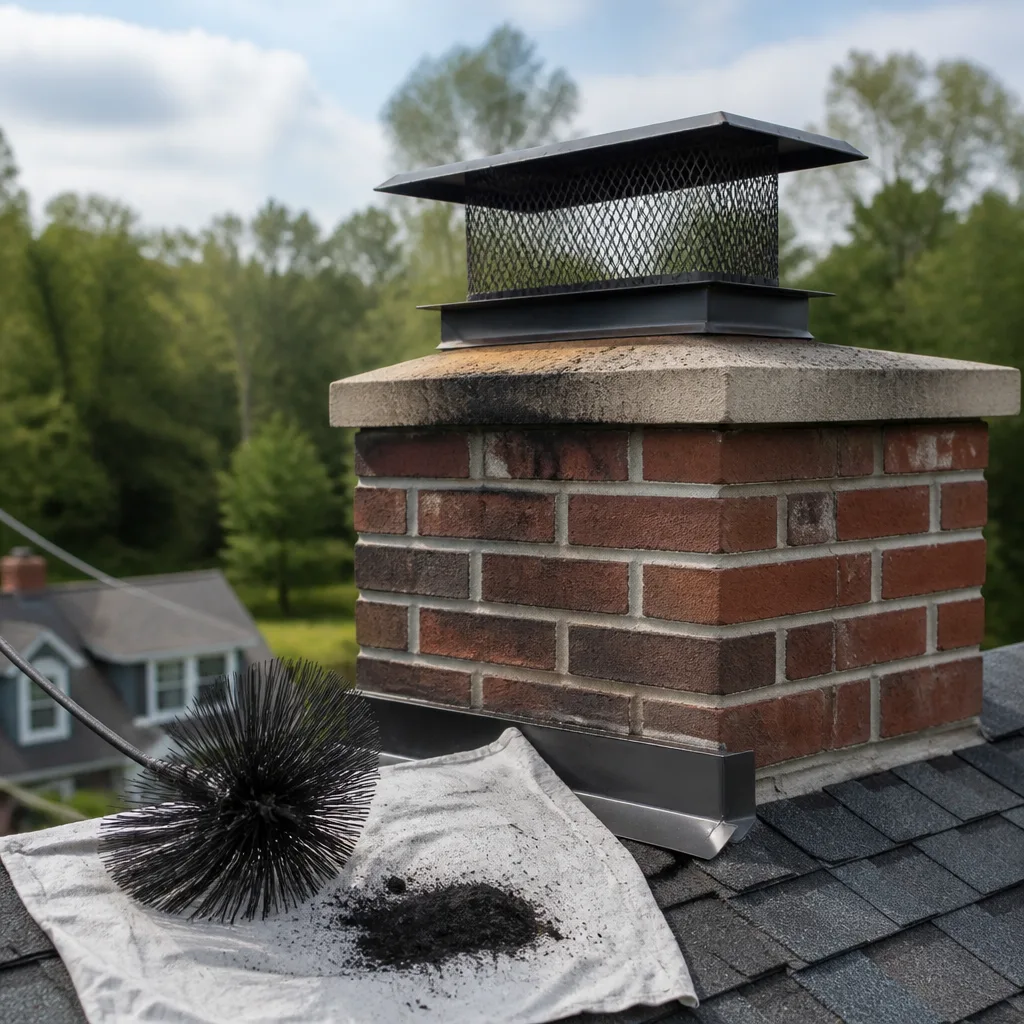
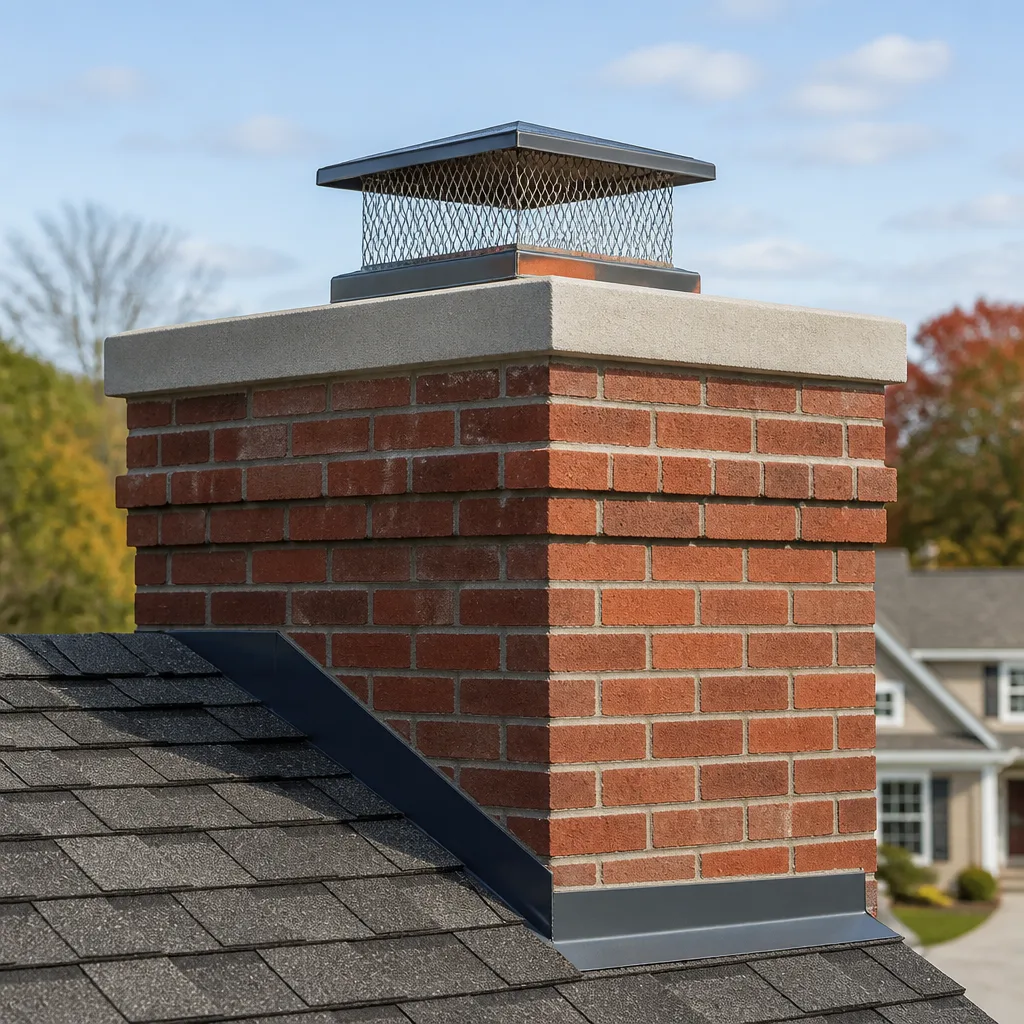
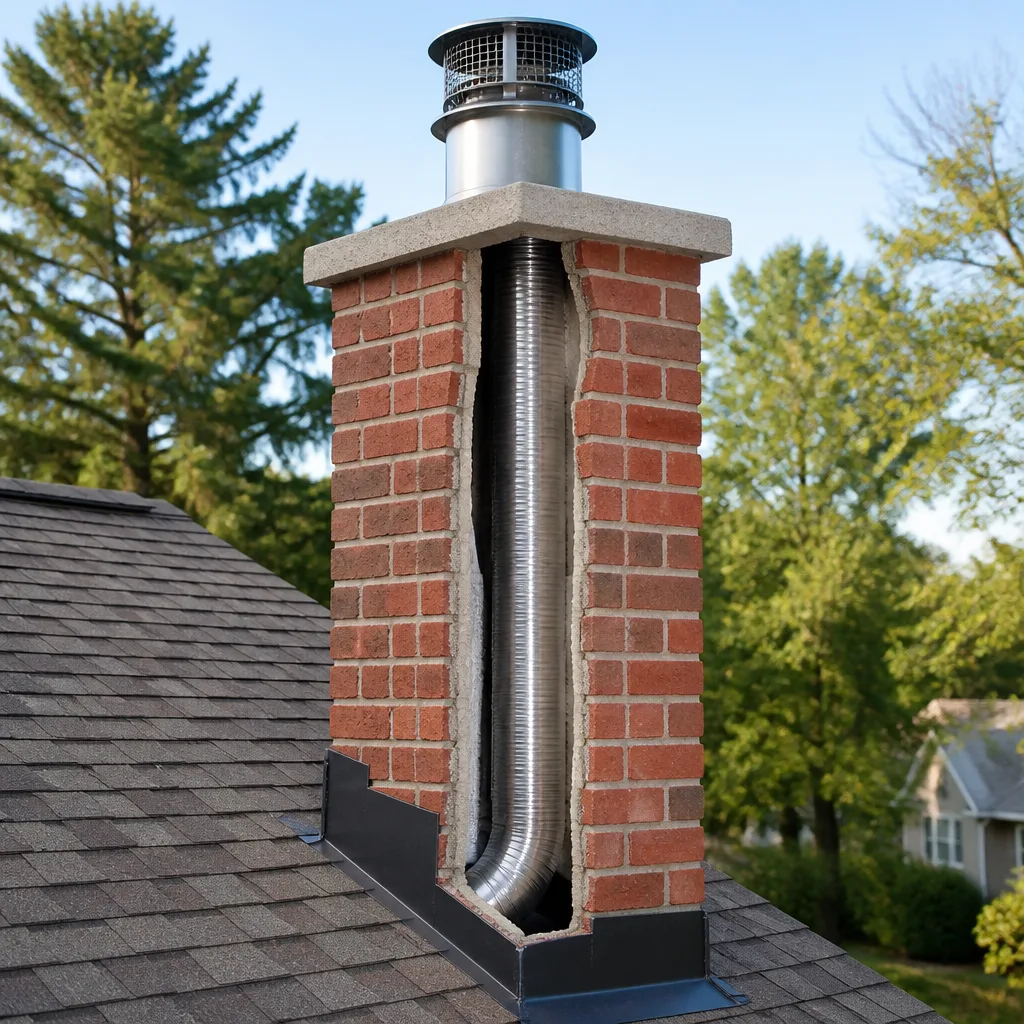
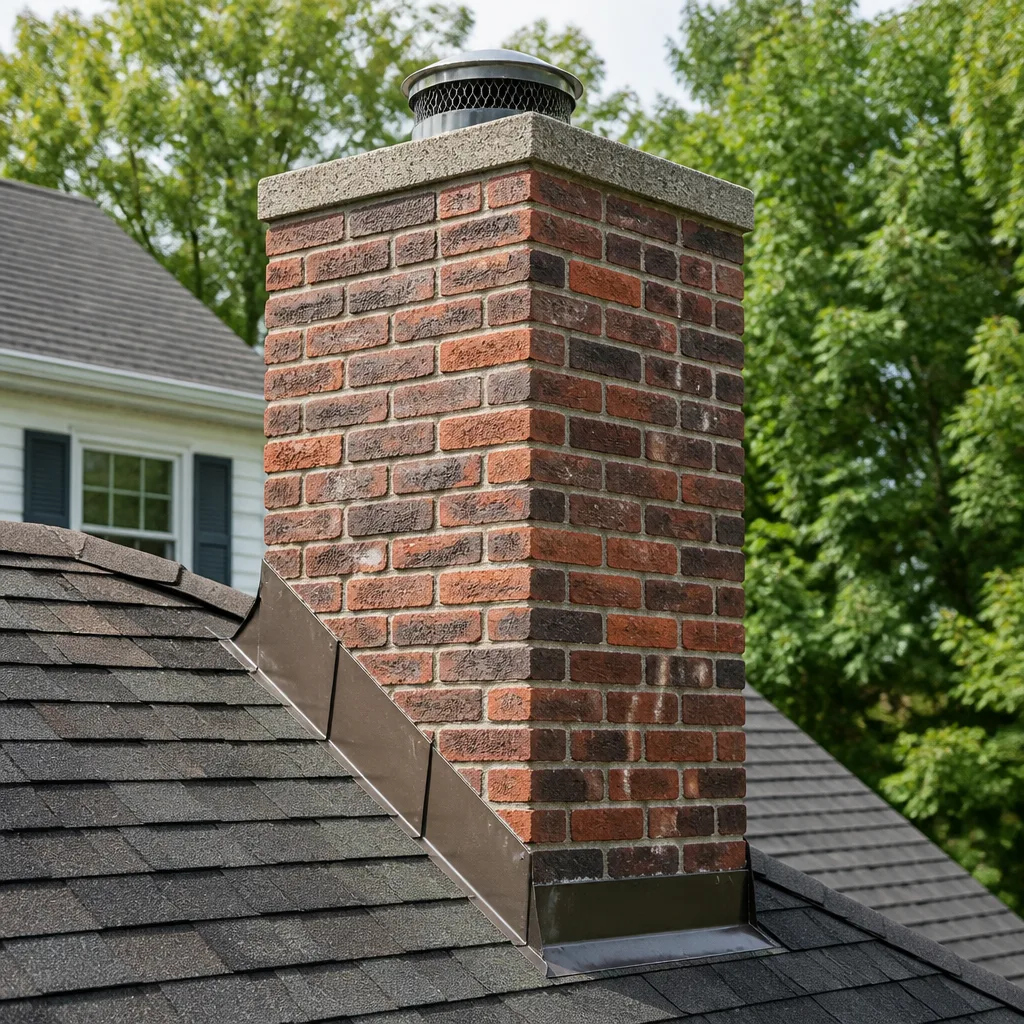
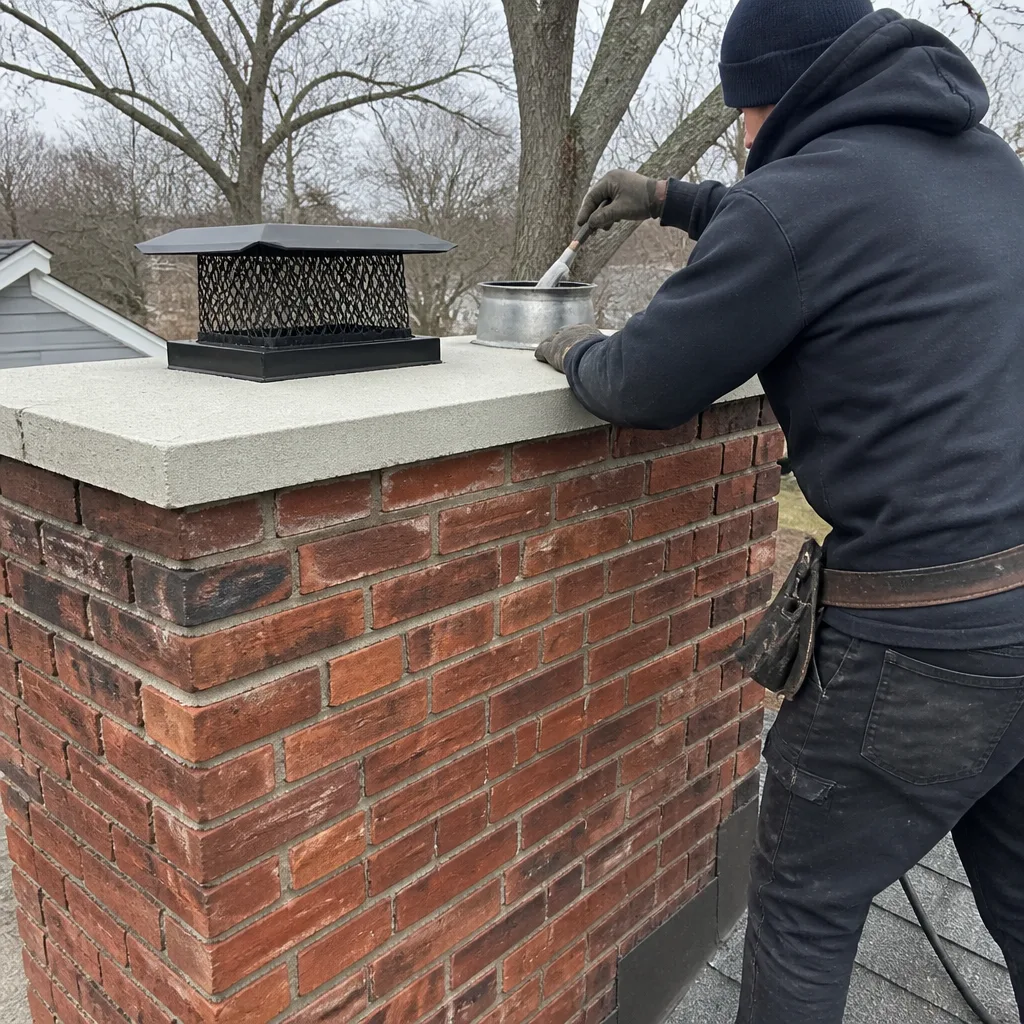
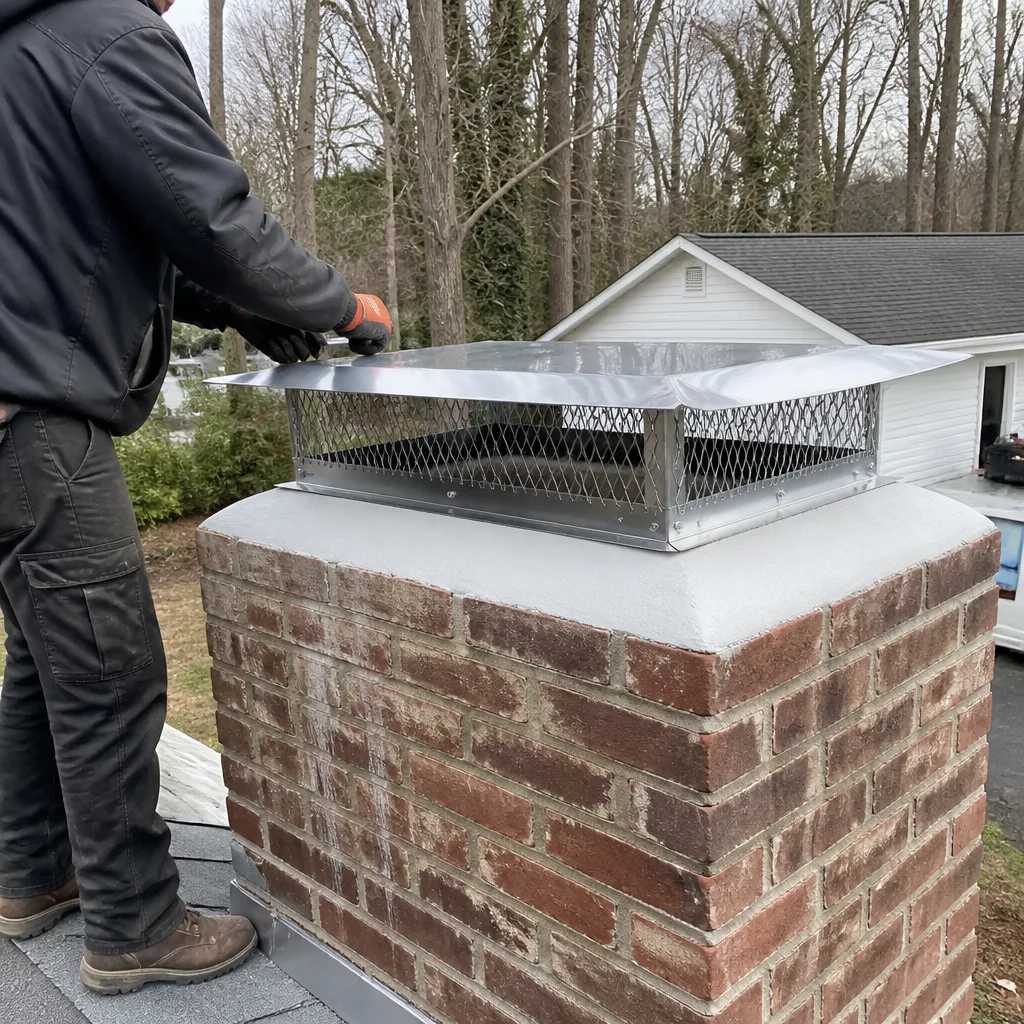
Level 1 sweep and inspection to the NFPA 211 annual standard - flue, crown, cap, and flashing checked and photographed
Chimney sweep logs do not sweep chimneys. They loosen some creosote - which then falls where a brush and vacuum still have to collect it.
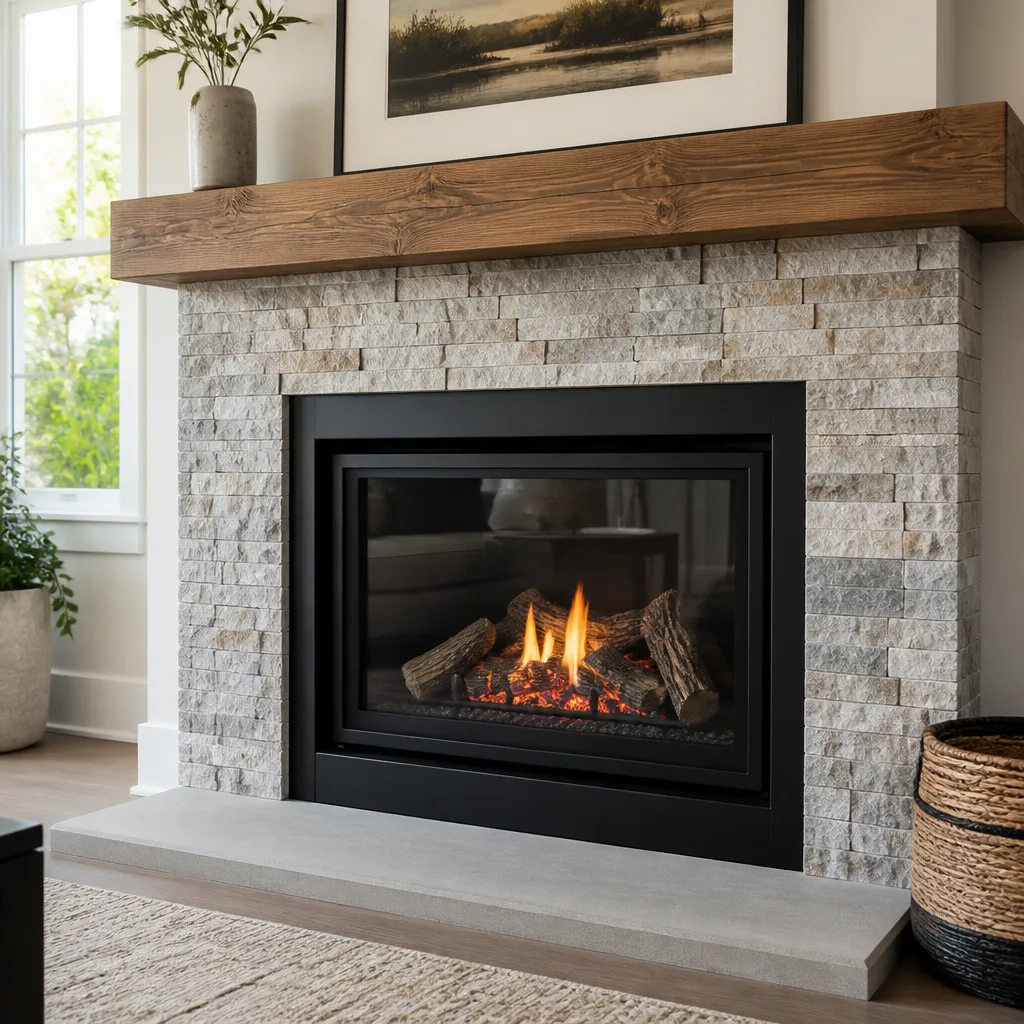
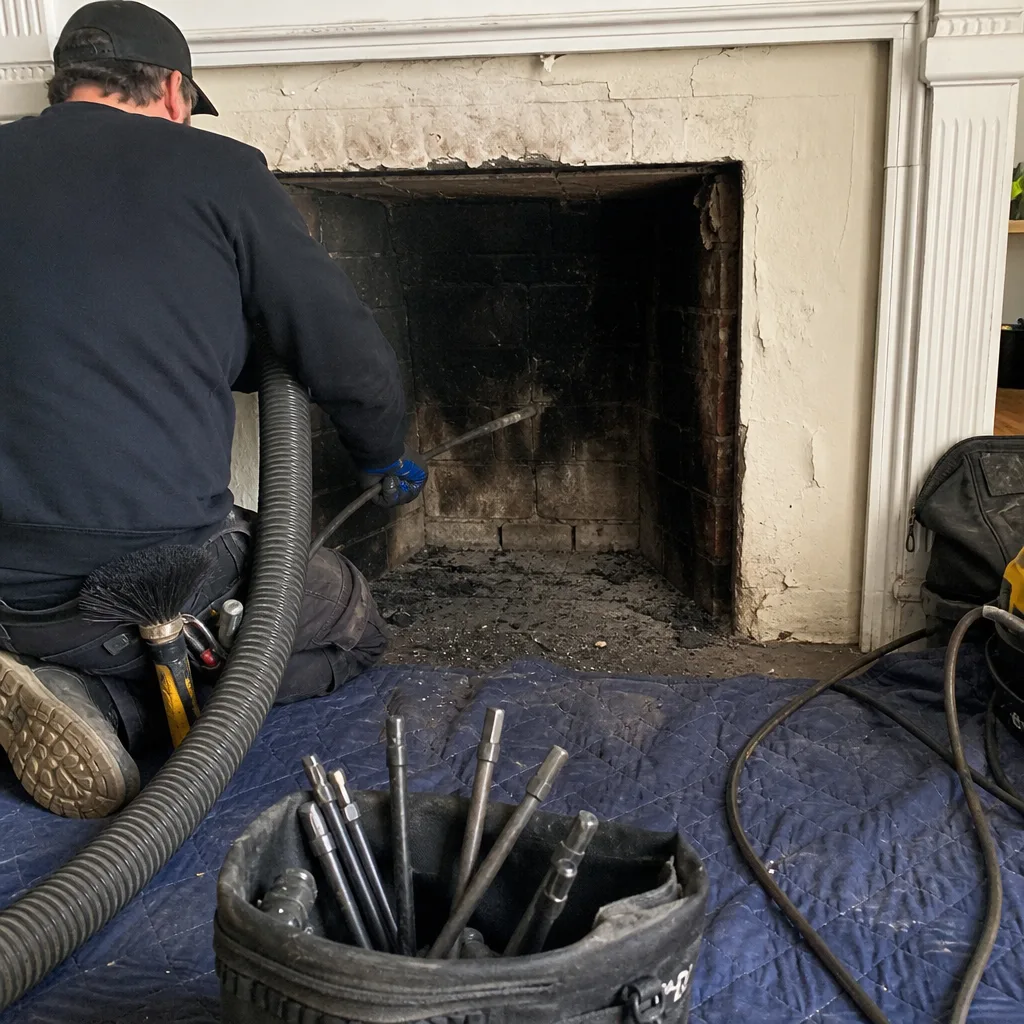 Before
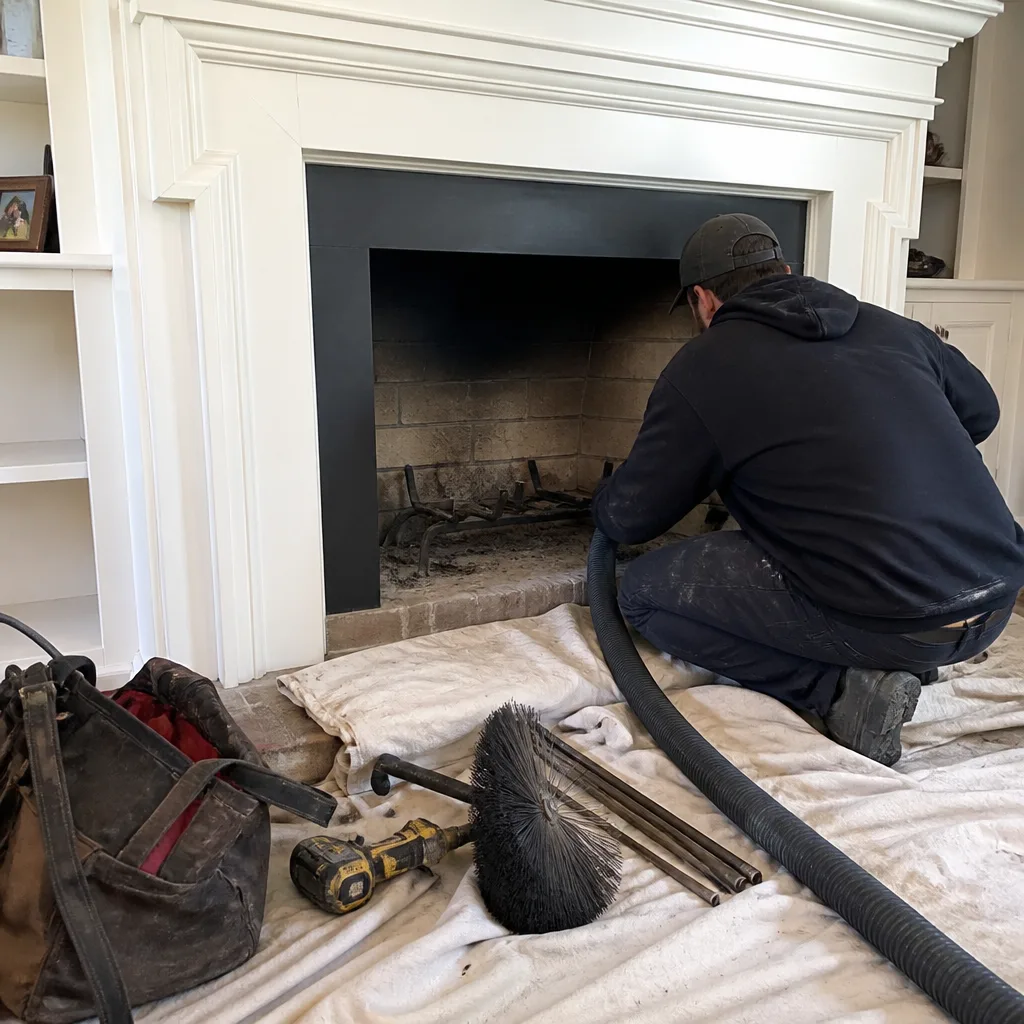 After
After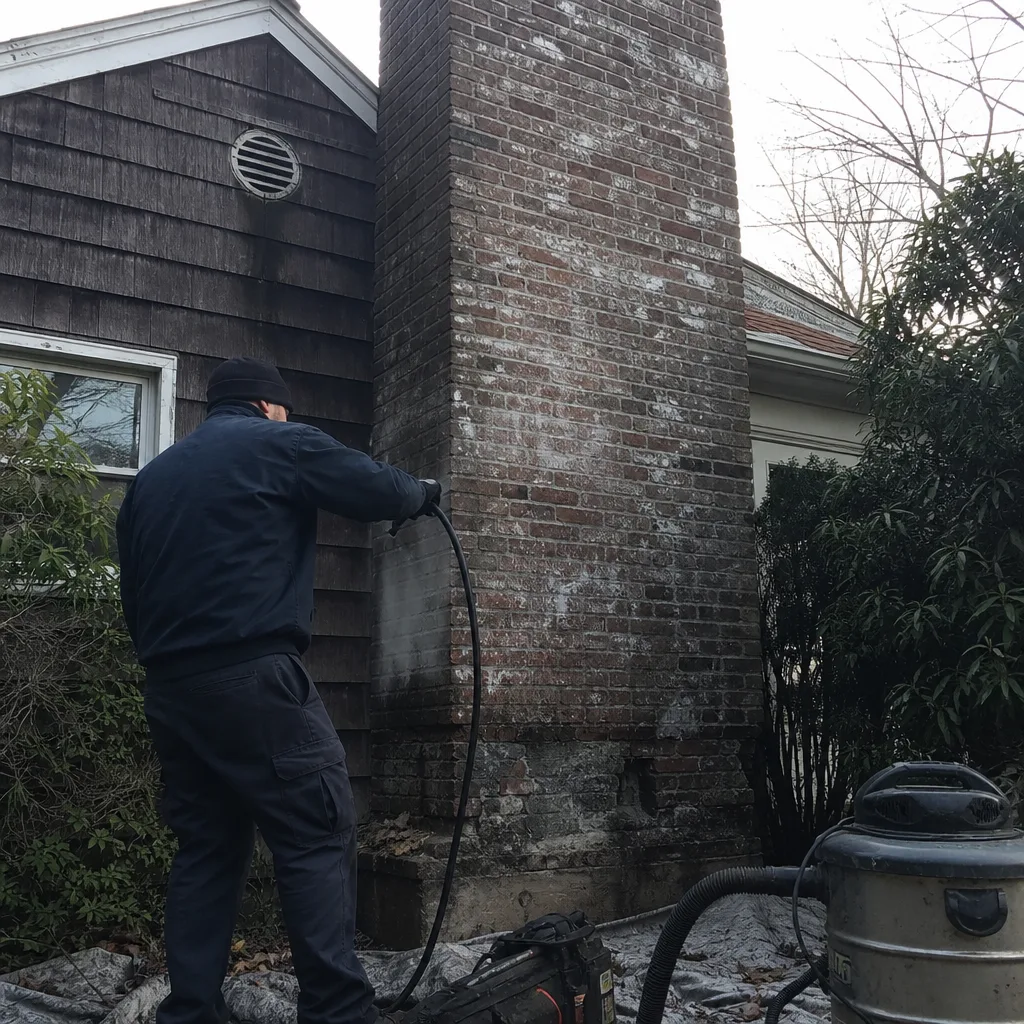 Before
 After
After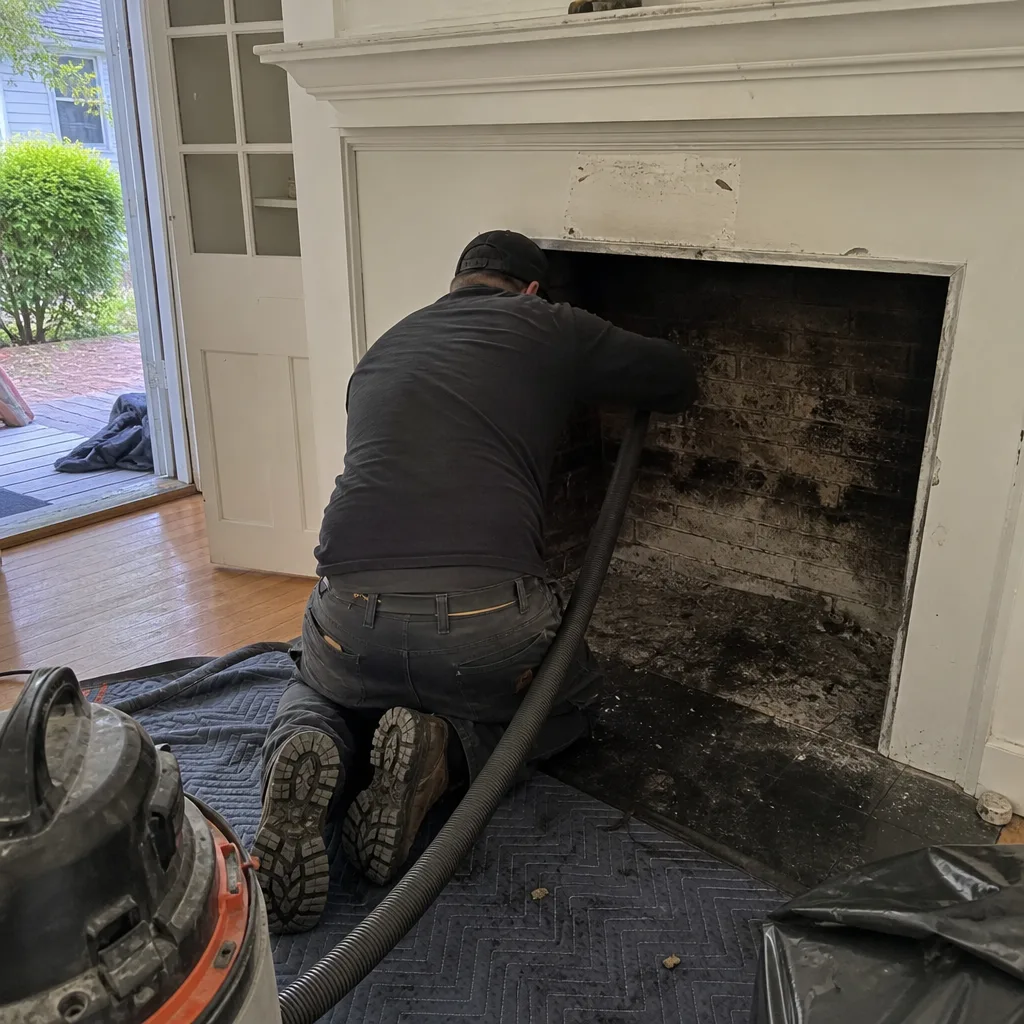 Before
 After
AfterSeasonal Chimney Cleaning Care for Southampton: Year-Round Homeowner’s Guide
National chimney guides tell you to schedule your sweep in late summer. In Southampton, that advice creates a problem. By August, the reputable sweeps are already booking into mid-October, which means your chimney isn’t ready for that first cold rental weekend or the early nor’easter that blows through in late September. Meanwhile, the chimneys that sat unused through our humid Atlantic summers have been quietly deteriorating, and the damage compounds while homeowners wait for “the right season.” In this guide, you’ll learn why Southampton’s second-home market, compressed burning season, and coastal weather patterns demand a completely different maintenance calendar, one that protects your chimney when it actually needs protection, not when a generic checklist for Southampton homeowners says so.
Quick Answer
Southampton homeowners should schedule their primary chimney inspection and cleaning in late spring, specifically May, to catch moisture and freeze-thaw damage before summer humidity accelerates deterioration. A secondary readiness check in mid-September ensures the system is safe before the compressed burning season begins; see our Chimney Cleaning Cost Breakdown for Southampton to plan your budget. Heavy-use fireplaces, or those serving rental properties, may need mid-season evaluation to determine if biannual cleaning is warranted.
Table of Contents
- Spring: The Close-Up Inspection Most Southampton Homeowners Skip
- Summer: What Humidity Does to an Idle Chimney
- Fall: The Realistic Southampton Scheduling Window
- Winter: Mid-Season Use Checks for Heavy Burners
- Managing Chimney Care for Second Homes and Rental Properties
- What Southampton Chimney Maintenance Costs Year-Round
- Common Mistakes to Avoid
- When to Call a Professional
- Frequently Asked Questions
Spring: The Close-Up Inspection Most Southampton Homeowners Skip
May is the single most important month for chimney maintenance in Southampton, and it is the one most homeowners ignore.
By the time you finish burning in March or April, your flue has endured five months of creosote accumulation, temperature cycling, and combustion byproducts. The masonry has expanded and contracted through freeze-thaw cycles. The crown, the cap, the flashing, and the liner have all taken stress. Then comes April rain, and with it, the first real test of whether water is finding its way in.
Here’s what we find in Southampton every May: cracks in the crown that opened during winter but were invisible from the ground, liner damage from condensation that formed during shoulder-season burns when the flue never fully warmed, and creosote glazing that hardened during the final fires of March and now requires mechanical removal. Left unaddressed through summer, these defects accelerate. Water enters cracks, freezes the following winter, and widens them. Creosote absorbs humidity and becomes more acidic. The cost of repair in October is often double what it would have been in May.
The spring inspection is also when we document baseline condition with our Level-2 camera inspection. We photograph every surface the homeowner can see, deliver a plain-English verdict, and note what can wait versus what should not. This documentation matters for insurance, for resale, and for your own peace of mind. A chimney that is “fine” in May but shows early-stage spalling on the crown can be monitored. A chimney with a cracked flue tile or deteriorated mortar joint needs attention before the next burn season.
For Southampton’s second-home owners, May is often the transition month. You are closing the house for summer, or switching to weekend use. It is the natural moment to verify that the chimney system is secure before you reduce your presence at the property. We have found nests in flues in May that would have become fully established by September, and water stains on firebox walls that indicated flashing failure the previous fall but were never caught because no one looked.
The spring close-up should include:
- Full visual and camera inspection of the flue interior, checking for creosote buildup, liner integrity, and obstruction
- Crown and cap assessment, with particular attention to hairline cracks that will widen through freeze-thaw
- Flashing and water-entry evaluation, especially on older homes in neighborhoods like North Sea and Shinnecock Hills where roof geometries are complex
- Damper function test, confirming it seals properly to block summer humidity and conditioned air loss
- Firebox and hearth condition check, noting any refractory panel cracking or hearth settling
Scheduling in May also avoids the fall rush. You get appointment flexibility, full technician attention without the pressure of back-to-back jobs, and time to complete any necessary repairs before the summer lull. If liner work or crown rebuilding is needed, materials from DuraFlex or HeatShield can be ordered and installed on a reasonable timeline, not expedited at premium cost.
One more Southampton-specific factor: our spring storms. The March and April nor’easters that still blow through can deposit debris, damage caps, and drive water into systems that seemed secure in February. A May inspection catches this storm damage while it is fresh and before summer humidity sets in.
Summer: What Humidity Does to an Idle Chimney
Southampton’s summer humidity is not merely uncomfortable. It is actively destructive to chimneys that are not properly sealed and ventilated.
An uncapped or poorly capped flue becomes a conduit for moist Atlantic air. The temperature differential between the cool interior masonry and the humid exterior air creates condensation on the flue walls. That moisture mixes with residual creosote and soot to form sulfuric acid compounds that eat at mortar joints, corrode metal liners, and stain masonry. By Labor Day, we regularly find chimneys that were clean in May showing efflorescence, that white powdery bloom of mineral salts, or in worse cases, active mold growth on the smoke shelf and damper area.
The biological growth is what surprises homeowners. They expect a chimney to be dry. It is not. A south-facing chimney on a property in Sag Harbor or Bridgehampton, where afternoon sun heats the exterior while the interior stays cool, can develop significant condensation. A chimney on a shaded lot in Tuckahoe or Water Mill, where air circulation is poor, may never fully dry between humid days. We have removed mold colonies from smoke shelves in September that established themselves by July and would have been prevented by a proper cap and damper seal in May.
Summer is also when animals nest. Squirrels, raccoons, and chimney swifts are active. A flue without a secure cap is an invitation. A nest that is abandoned in August leaves debris that obstructs airflow and becomes a fire hazard. More critically, the nesting material often traps moisture against the flue wall, accelerating deterioration in the exact location where temperatures will be highest come fall.
For seasonally vacant properties, the summer risk is compounded. No one is running the fireplace, so no one smells the musty damper. No one hears the animal activity. No one notices the water stain spreading on the firebox wall. The first indication of a problem is often in October, when the first fire is lit and smoke backs up, or worse, when a spark ignites nesting material that has dried over three months.
What to do in summer:
- Verify your cap is secure, properly sized, and has intact mesh screening. Gelco and Olympia Chimney caps we install are specified to local wind loads and animal pressure.
- Keep the damper closed when the fireplace is not in use. This is your primary humidity barrier.
- Consider a top-sealing damper if your throat damper is warped or no longer seals tightly. The energy savings in conditioned air loss alone often justify it.
- Arrange a mid-summer property check if your home is vacant. A property manager should verify cap integrity and look for water evidence in the firebox.
- Address any May inspection findings promptly. “I’ll deal with it in fall” is the most expensive sentence in chimney maintenance.
The humid off-season is not a rest period for your chimney. It is when the damage that began in winter accelerates, unseen and unchecked. The homeowners who understand this, and who act in spring rather than deferring, are the ones whose chimneys last decades without major intervention.
Fall: The Realistic Southampton Scheduling Window
By mid-September, the Southampton chimney sweep calendar is already under pressure. By October 1, the reputable companies are typically booking two to three weeks out. By late October, you may be waiting into November for an appointment with a sweep you trust.
This compression is structural, not incidental. Southampton’s burning season is short and intense. It runs roughly from the third week of October through March, with heavy use concentrated around holidays, rental turnover weekends, and the coldest January and February periods. Everyone wants their chimney ready for the first cold snap. Everyone calls at once.
The national advice to “schedule in late summer” fails here because Southampton’s late summer is still active summer. Homeowners are at the beach, renters are in city apartments, and the chimney is not on anyone’s mind until the first night the temperature drops below fifty and someone reaches for the firewood.
The realistic window for fall readiness is mid-September to early October. This timing serves several purposes. First, it catches any summer deterioration before the first fire. Second, it allows buffer time for repairs if the inspection reveals issues. Third, it precedes the peak scheduling crush, so you get the appointment time you want, not the one that is left.
For rental properties, fall timing carries additional complexity. If you have Thanksgiving week booked, or a December holiday rental, your chimney must be certified safe before that occupancy. Rental guests do not tolerate smoky fireplaces or non-functional systems, and a failed inspection discovered the week before arrival creates an emergency that costs premium rates and may still not resolve in time. We advise Southampton rental owners to communicate their occupancy calendar when booking, so we can prioritize properties with hard deadlines.
What to communicate to your sweep in fall:
- Your occupancy schedule, including any rental turnovers or holiday gatherings with hard dates
- Last service date and findings, so we know whether this is a routine sweep or a follow-up to previous recommendations
- Any changes in use pattern, such as increased burning, new appliance installation, or fuel switch
- Any symptoms observed, including smoke spillage, odor, damper difficulty, or visible exterior deterioration
- Property access constraints, particularly for second homes where you may not be present for the appointment
The fall service itself should include cleaning to remove any summer accumulation, verification that the cap and damper are functioning after the humid season, and a burn-readiness check. If you skipped the spring inspection, the fall service is your catch-up opportunity, but it comes with risk: findings that require repair may delay your readiness, and materials may not be available on short notice.
One pattern we see in Southampton’s more established neighborhoods, like Southampton Village proper and the estate sections, is older chimneys with multiple flues serving multiple fireplaces. These systems require more time to inspect and clean properly. The compressed fall schedule does not accommodate rushed work. Booking early ensures your multi-flue system gets the attention it deserves, not a hurried once-over.
Winter: Mid-Season Use Checks for Heavy Burners
Most Southampton chimneys need annual inspection and cleaning. Some need more.
The threshold for biannual service is not arbitrary. It depends on burn frequency, fuel type, appliance efficiency, and flue configuration. A homeowner who burns three to four evenings per week through the full season, or who maintains a continuous fire through weekends, may generate enough creosote to warrant a mid-season evaluation. The same applies to rental properties with high turnover and frequent fires by guests who may not operate the fireplace correctly.
Signs that your chimney may need winter attention include:
- Visible creosote flakes or debris in the firebox between cleanings
- Smoke that does not draft cleanly up the flue, particularly on still, cold days
- A persistent acrid odor when the fireplace is not in use, indicating creosote buildup heating from the house side
- Reduced draw compared to earlier in the season
- Any change in burn quality, such as difficulty starting or maintaining the fire
The mid-season check is not a full cleaning in most cases. It is a condition assessment, often with camera verification, to determine whether the creosote accumulation rate is approaching unsafe levels. If the flue is still within acceptable parameters, we document and schedule the next service. If buildup is accelerated, we clean and investigate the cause, which may be improper fuel, damper setting, or appliance malfunction.
For Southampton’s heavy users, particularly those with open-hearth fireplaces in older homes, the biannual schedule often becomes standard. The 90-Day Done Right Promise applies to any work we perform, including mid-season service, so if conditions change or our assessment needs revision, we make it right without additional charge.
Winter is also when hidden defects declare themselves. A crown crack that admitted water in November may show as ice damming or interior leakage by January. A liner joint that separated slightly may open fully under thermal cycling. The homeowner who notices any change in performance, any new odor, any visible moisture should call promptly. Chimney fires and carbon monoxide incidents peak in January and February, not because systems fail suddenly, but because accumulated problems reach critical mass under sustained use.
Safety note: never attempt to clean a flue yourself during the burning season. The creosote may be actively combustible, and improper disturbance can ignite it. The tools and techniques for safe removal require training and proper equipment. If you suspect dangerous buildup, discontinue use and call a professional.
Managing Chimney Care for Second Homes and Rental Properties
Southampton’s housing stock includes a significant proportion of second homes, investment rentals, and legacy family properties. These present distinct chimney maintenance challenges that generic NY advice on permits and codes does not address.
The primary problem is information asymmetry. The owner is not present to observe conditions. The tenant or guest may not report symptoms, or may not recognize them. A smoky fireplace is attributed to “wind,” a damp odor to “old house smell.” By the time a problem reaches the owner, it has often progressed significantly.
The solution is structured delegation and documented verification. Here is how we advise Southampton property owners to manage this:
- Establish a primary service relationship with one chimney company, rather than calling around each season. Continuity means we know your system’s history, have prior documentation, and can spot changes. Our Southampton chimney cleaning service maintains detailed records for every property we serve.
- Schedule spring inspection as standard, regardless of whether the property was heavily used. The humid summer risk applies equally to lightly used chimneys.
- Require property managers to perform monthly visual checks during vacancy periods, specifically verifying cap integrity, damper position, and any evidence of water or animal entry in the firebox.
- Document pre- and post-season condition with photos, the same way you document property condition for rentals. Our Level-2 inspections include dated photographs that serve this purpose.
- Communicate occupancy calendars clearly when booking fall service, and build in repair buffer time before hard rental dates.
- Consider a lock-top damper and sealed gas log set for properties with minimal owner use, reducing the maintenance burden while preserving the fireplace as an amenity.
For property managers specifically, we recommend a simple checklist for monthly chimney observation:
- Cap in place, no visible damage or displacement
- No debris, nesting material, or animal evidence on the smoke shelf or in the firebox
- Damper operates freely and seals when closed
- No water stains, efflorescence, or musty odor
- Exterior masonry shows no new cracking or spalling
Any deviation from baseline should be reported to the owner and to the chimney service provider. Small problems caught early are inexpensive. The same problem discovered in October, with a rental arriving in ten days, becomes an emergency.
We have served Southampton second-home owners for decades, and the pattern is consistent: the properties with scheduled, documented, delegated maintenance have minimal surprises. The properties with reactive, as-needed service accumulate deferred problems that eventually require major investment. The difference is not luck. It is system.
What Southampton Chimney Maintenance Costs Year-Round
Chimney service pricing in Southampton reflects our market: higher labor costs than national averages, seasonal demand compression, and the complexity of serving a dispersed, often vacant, housing stock. The following ranges are based on our current pricing for typical Southampton properties and represent what we observe in the local market.
| Service | Typical Range | Notes |
|---|---|---|
| Level-1 inspection with cleaning | $250-$350 | Standard annual service for maintained systems; includes sweep, basic inspection, and condition report |
| Level-2 camera inspection | $300-$450 | Required for real estate transactions, post-event evaluation, or when system changes are suspected; includes photos and written verdict |
| Crown repair (minor crack sealing) | $350-$600 | Preventive treatment before cracks widen; materials vary by crown construction |
| Crown rebuild | $1,200-$2,500 | Full reconstruction for deteriorated crowns; includes proper overhang and drip edge |
| Chimney cap installation | $250-$650 | Varies by flue count, cap material, and wind-load specification; Gelco and Olympia Chimney products at upper range |
| Flue liner repair (HeatShield) | $1,500-$3,500 | Cerfractory resurfacing for sound clay tile with joint gaps or minor spalling |
| Stainless steel liner installation (DuraFlex) | $2,800-$5,500 | Full relining for deteriorated or unlined chimneys; varies by flue diameter and height |
| Firebox refractory panel replacement | $400-$900 | Factory-built fireplace panels; prefab units often require specific panel sets |
| Damper repair or replacement | $350-$800 | Throat damper service; top-sealing dampers at higher end but with energy payback |
These figures are current for the Southampton market and assume standard access. Estate properties with steep roofs, complex scaffolding requirements, or hard-to-reach chimney locations may incur additional charges, which we quote upfront with no surprises on the bill.
Our standing offers apply year-round: $50 off any repair over $250, a free second opinion on any written estimate, an $89 seasonal tune-up for qualifying systems, and a permanent 5% senior and veteran discount. We also honor the 90-Day Done Right Promise on all work: if it is not right, we make it right, in writing, no arguing.
The most expensive chimney service is the one deferred. A $400 crown repair in May becomes a $2,000 rebuild by the following spring. A $300 cleaning in September prevents the $4,000 fire restoration that follows a chimney fire in January. The cost of maintenance is predictable. The cost of neglect is not.
Common Mistakes to Avoid
- Waiting for “fall” to schedule. In Southampton, fall scheduling means October, and October means waiting until November. By then, you have missed the window for unhurried service and repair buffer time.
- Assuming a summer-vacant chimney is unchanged. Humidity, animals, and storm damage do not require human presence. The chimney you closed in May is not the chimney you reopen in September.
- Hiring based on lowest price alone. The one-truck operator without insurance, without camera inspection capability, and without documented warranty may cost less today and significantly more when the work fails and they are unreachable.
- Neglecting to inform your sweep about rental occupancy. Your service provider needs to know if a tenant is arriving in ten days, both to prioritize scheduling and to document condition for liability protection.
- Ignoring spring inspection because “we barely used it.” Light use does not prevent moisture damage, animal entry, or structural deterioration. The inspection is about condition, not usage volume.
- Attempting DIY cleaning on high systems or with unknown creosote conditions. This is genuinely dangerous work. Flue brushes can become lodged. Disturbed creosote can ignite. Falls from roofs and ladders are a leading cause of homeowner injury.
- Deferring recommended repairs with “we’ll see how it goes.” Chimney defects do not heal. They propagate. The repair that is optional in May is mandatory by October, and expensive by the following spring.
When to Call a Professional
Call a chimney professional when you observe any change in performance, any new odor, any visible damage, or when your annual service interval has passed. Specifically: smoke spillage into the room, persistent damper odor, visible creosote accumulation, exterior masonry cracking, water stains in the firebox, or animal sounds from the flue all warrant prompt evaluation.
For Southampton’s second-home and rental owners, call when the property manager reports any deviation from baseline, or before any seasonal occupancy transition. Do not rely on tenant or guest observation; these individuals lack the context to distinguish normal from concerning.
Hearthstone Chimney Co. offers free estimates in Southampton. A Level-2 camera inspection with photos you can see and a plain-English verdict will tell you exactly where your system stands. Call (516) 619-2915. A live person answers, 24 hours a day, every day. We have served local communities for over 42 years, and we plan to be here when you need us next.
Frequently Asked Questions
A standard Level-1 chimney inspection with cleaning in Southampton typically runs $250 to $350, while a Level-2 camera inspection ranges from $300 to $450 depending on system complexity and access. Call (516) 619-2915 for an exact quote on your specific chimney, estimates are free.
Most Southampton chimneys need annual inspection and cleaning, with the primary service scheduled in late spring to catch moisture and freeze-thaw damage before summer humidity accelerates deterioration. Heavy-use fireplaces, or those serving rental properties with frequent guest occupancy, may require biannual evaluation based on creosote accumulation rates documented during inspection.
You need a new liner when camera inspection reveals deterioration that compromises safety, specifically cracked or missing clay tiles, gaps at joints, or corrosion in metal liners that could allow combustion gases to enter the home. We never recommend liner replacement without photo evidence you can see yourself, and we will plainly tell you when a repair with HeatShield cerfractory resurfacing is sufficient versus when full DuraFlex stainless steel relining is warranted.
Skipped cleaning allows creosote to accumulate to levels that can ignite in a chimney fire, reaching temperatures over 2,000 degrees and cracking liners or penetrating to surrounding structure. More commonly, gradual blockage reduces draft efficiency, causing smoke spillage and carbon monoxide risk, while acidic condensation from incomplete combustion accelerates masonry and metal deterioration from the inside out.
The best time is late May for the primary close-up inspection, with a readiness verification in mid-September before the compressed burning season begins. This calendar inverts national advice but matches Southampton’s specific conditions: second-home patterns, Atlantic humidity, and the scheduling crush that makes October appointments scarce and rushed.
You can perform basic firebox ash removal and visual observation from below, but flue cleaning requires proper equipment, training, and safety protocols that most homeowners lack. Disturbing glazed creosote can ignite it; brushes can lodge in the flue; and roof access for top-down cleaning presents genuine fall risk. For anything beyond surface maintenance, we recommend a trained professional.
The Bottom Line
Southampton’s chimney calendar runs on its own schedule, driven by coastal humidity, a compressed burning season, and a housing market where many properties sit vacant for months. The homeowners who protect their chimneys effectively do three things differently: they inspect in spring, not fall; they verify condition through summer vacancy; and they book fall readiness before the September rush. Generic national advice will keep your chimney functional. Southampton-specific timing will keep it sound for decades. The difference is not more effort. It is effort at the right moments, documented and deliberate, with a service provider who knows your system and plans to be here when you need them.
Written by Russell Haines, Owner at Hearthstone Chimney Co., serving Southampton since 2014.