
Last updated September 10, 2026
Level 1 sweep and inspection to the NFPA 211 annual standard - flue, crown, cap, and flashing checked and photographed
Chimney sweep logs do not sweep chimneys. They loosen some creosote - which then falls where a brush and vacuum still have to collect it.
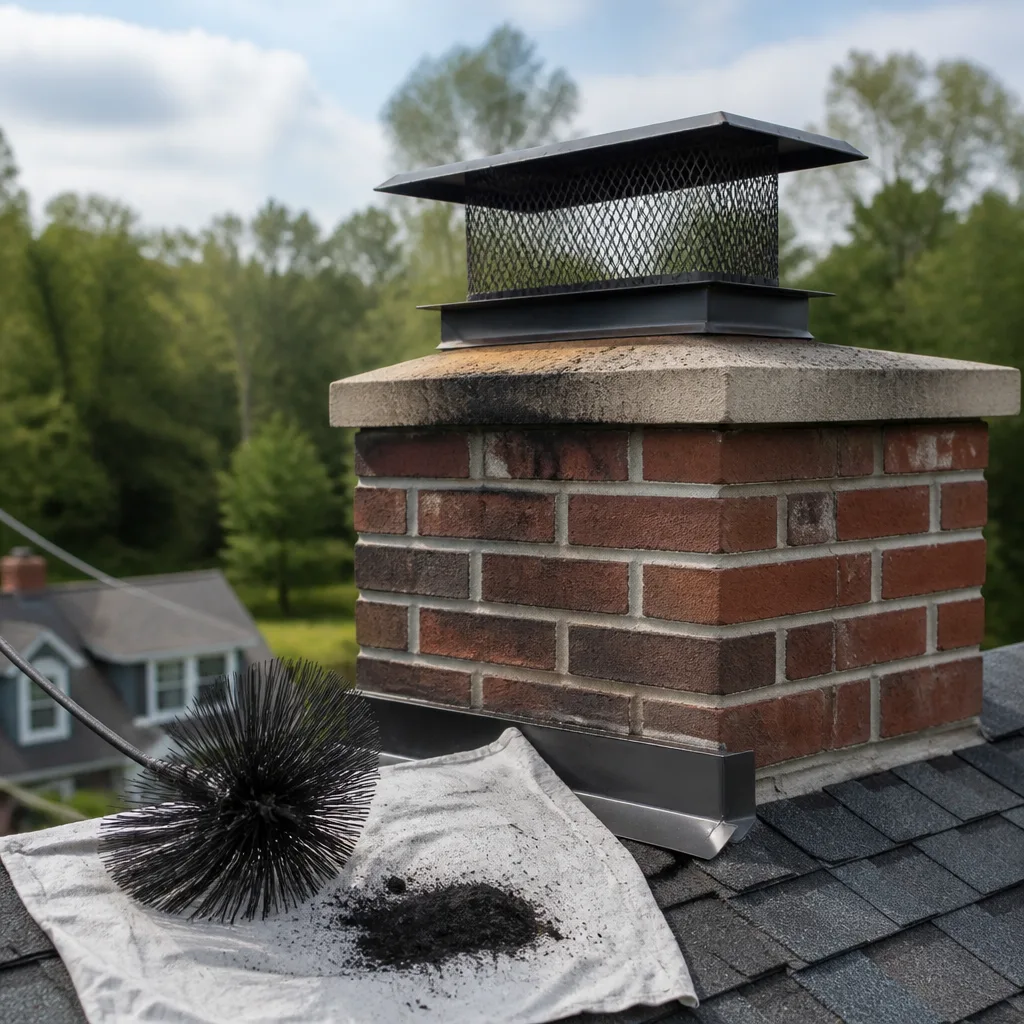
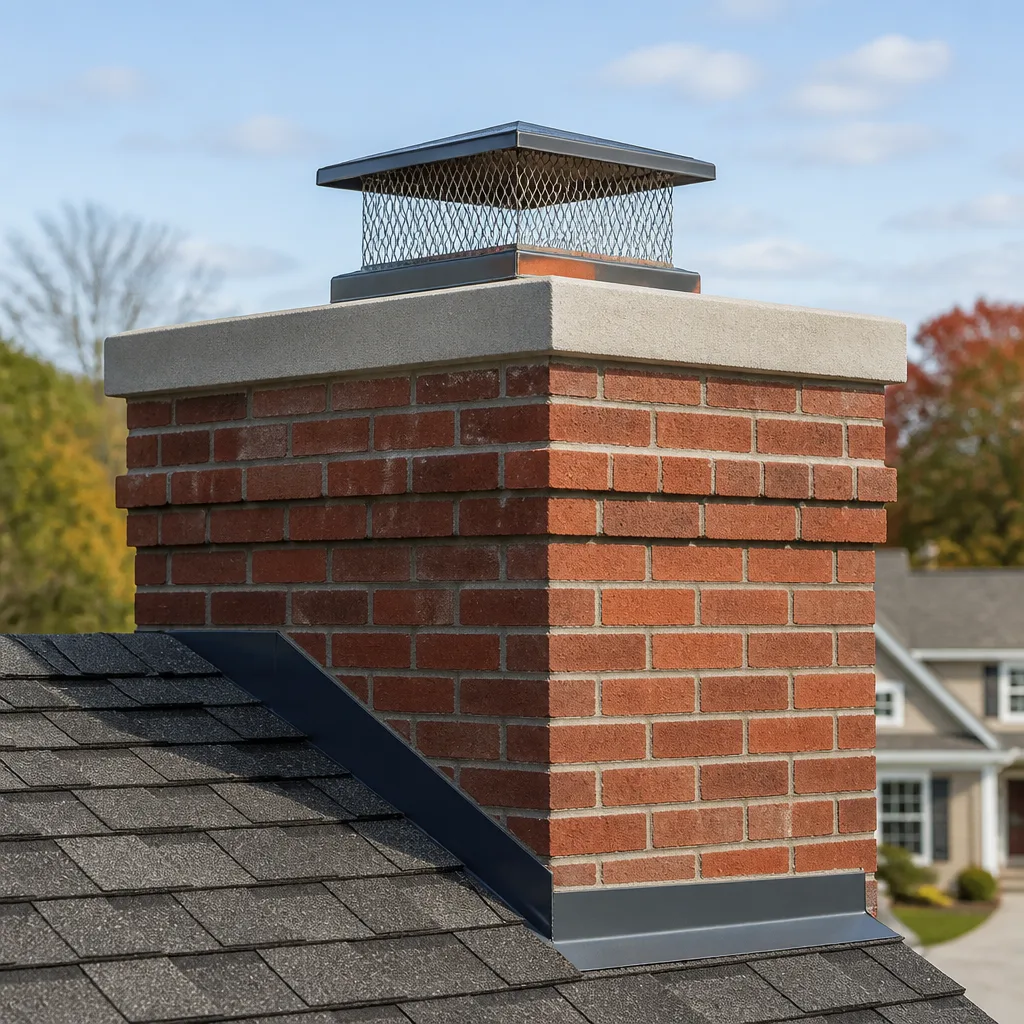
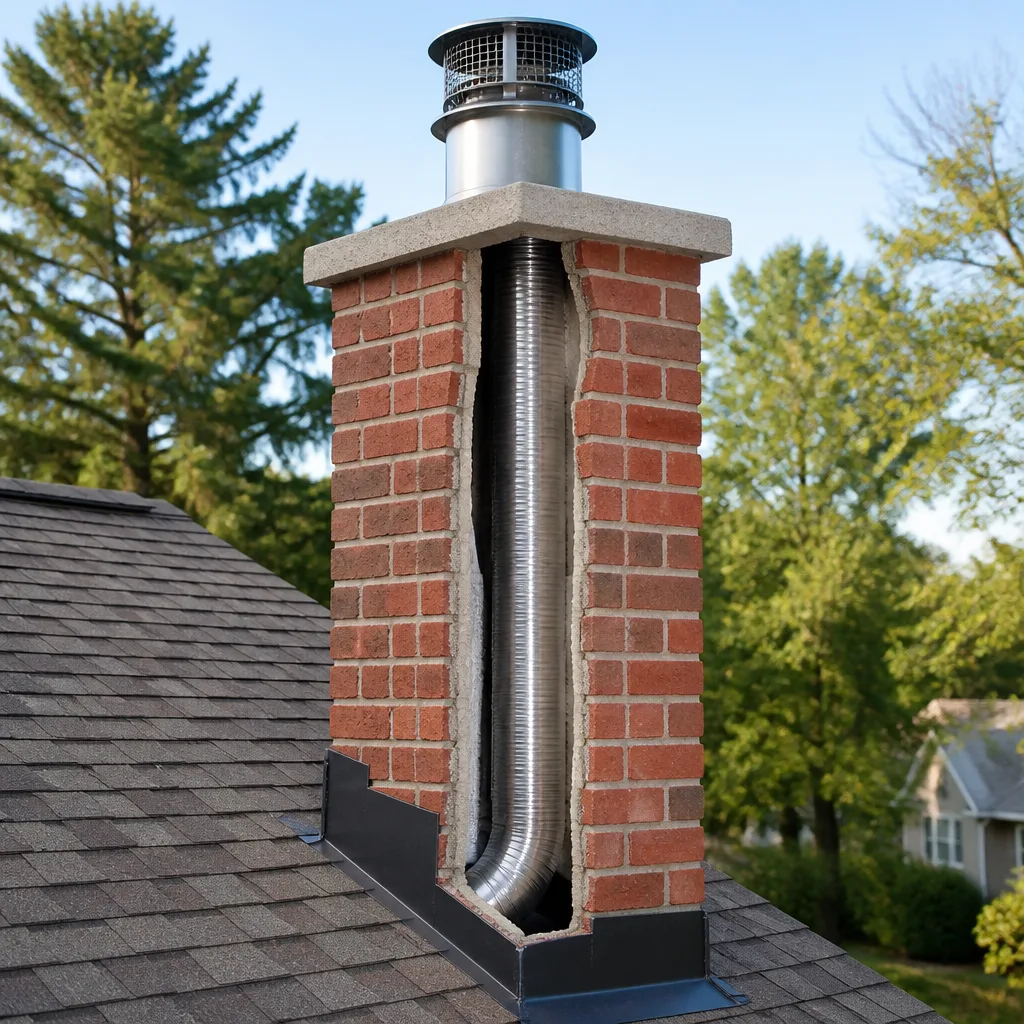
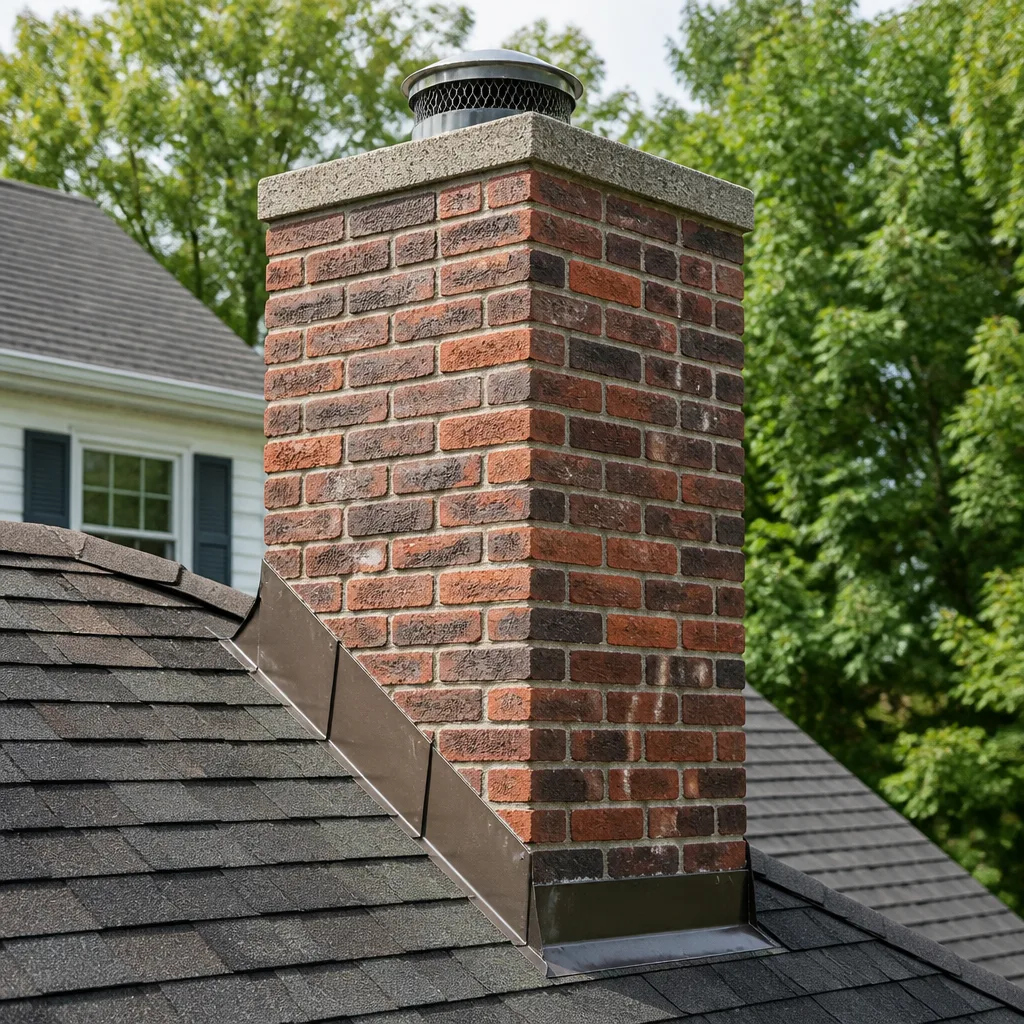
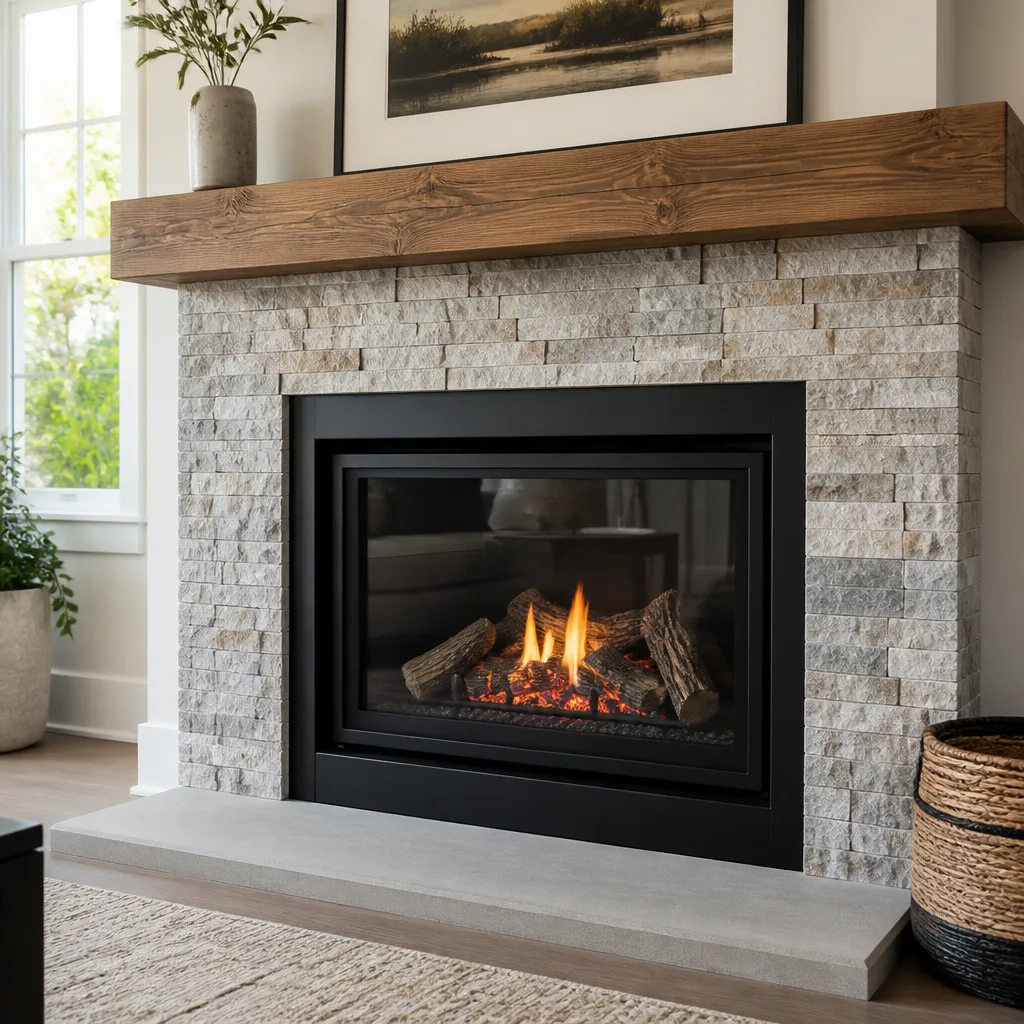
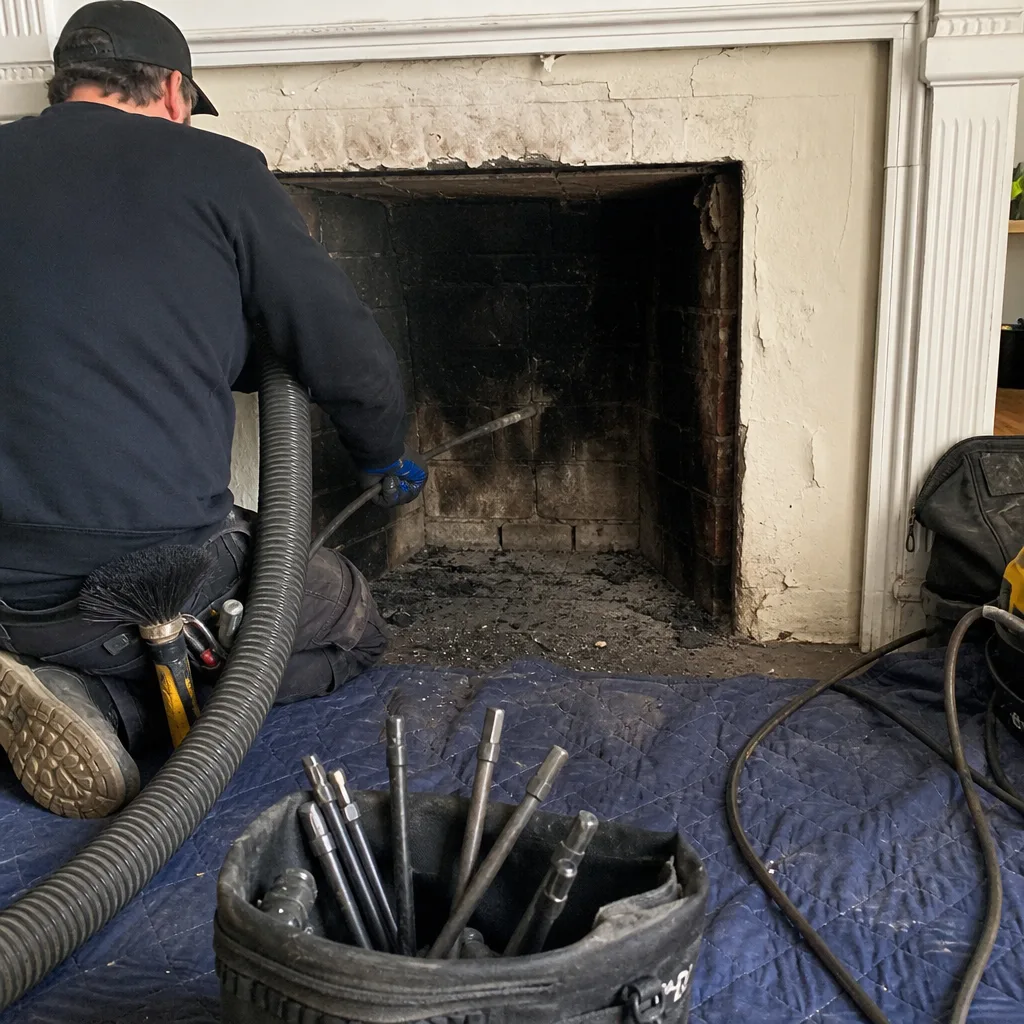 Before
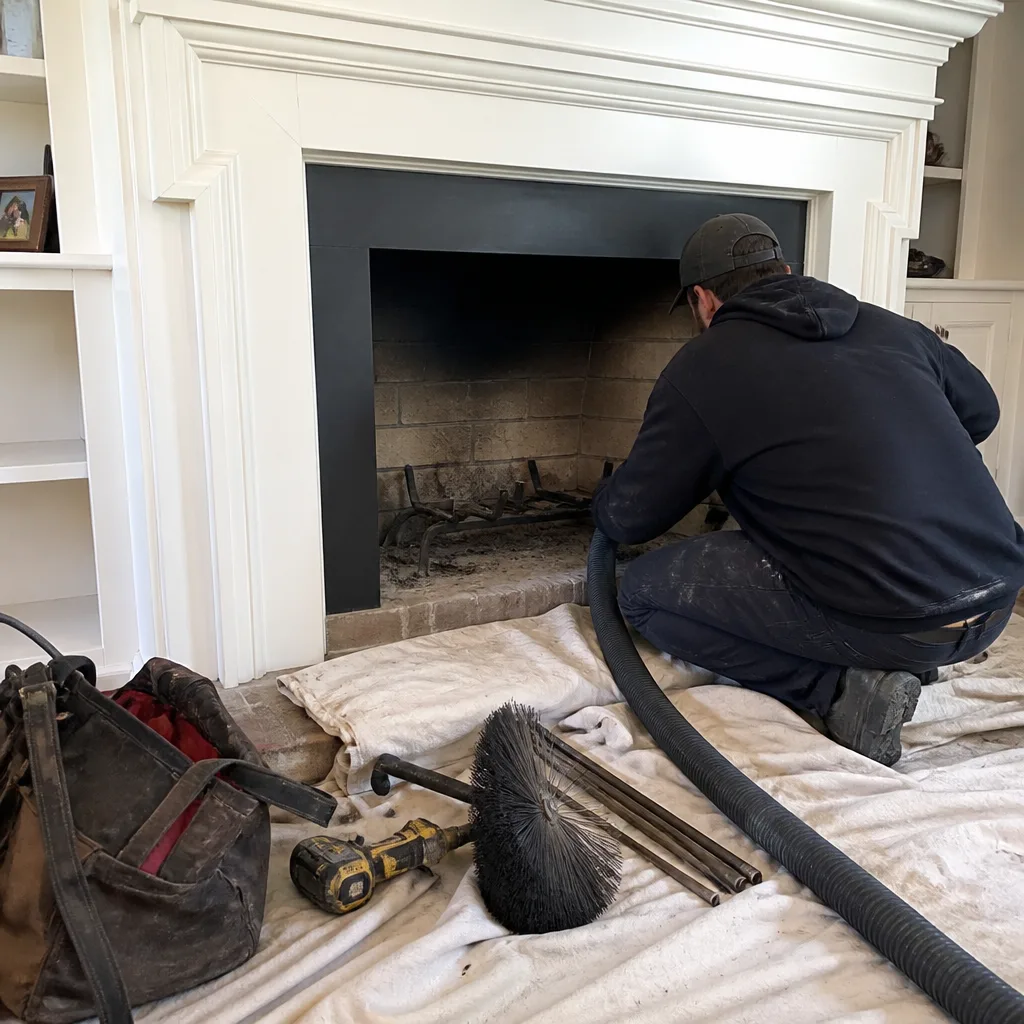 After
After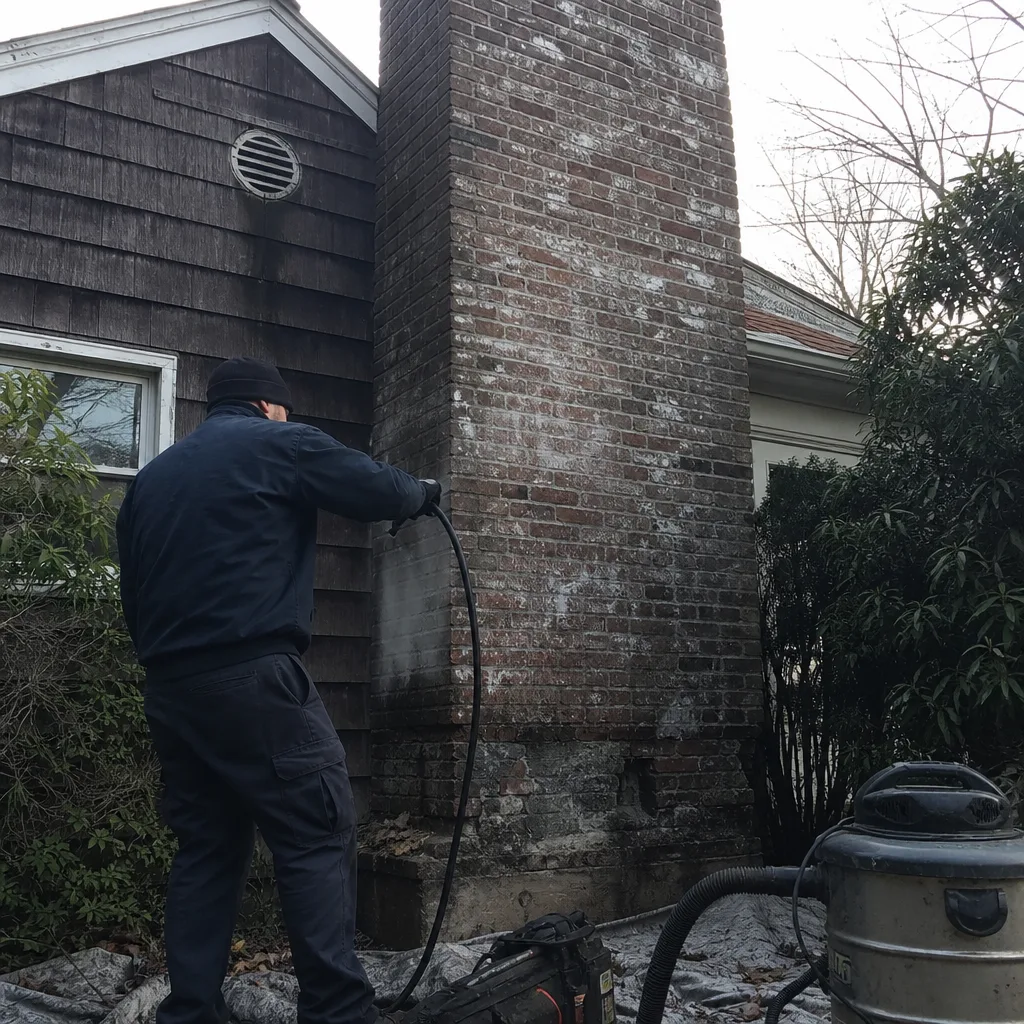 Before
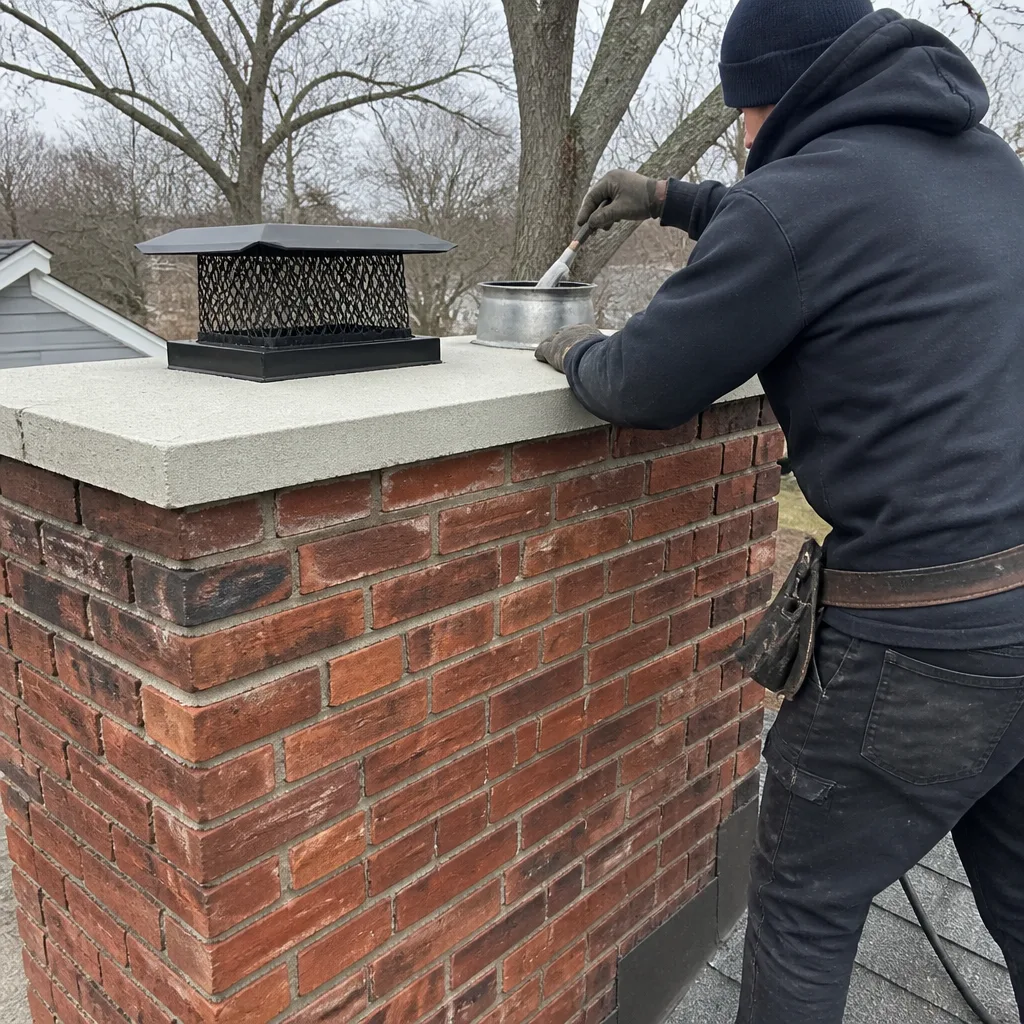 After
After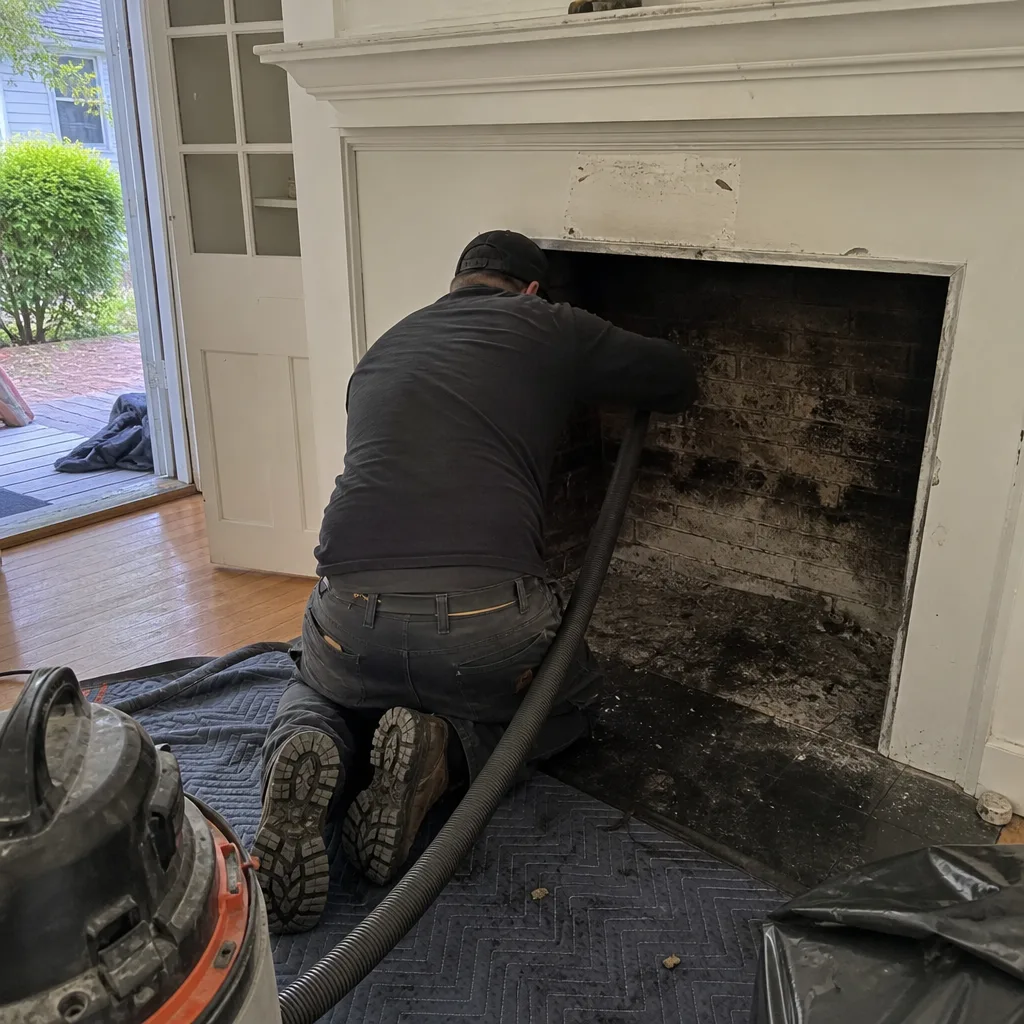 Before
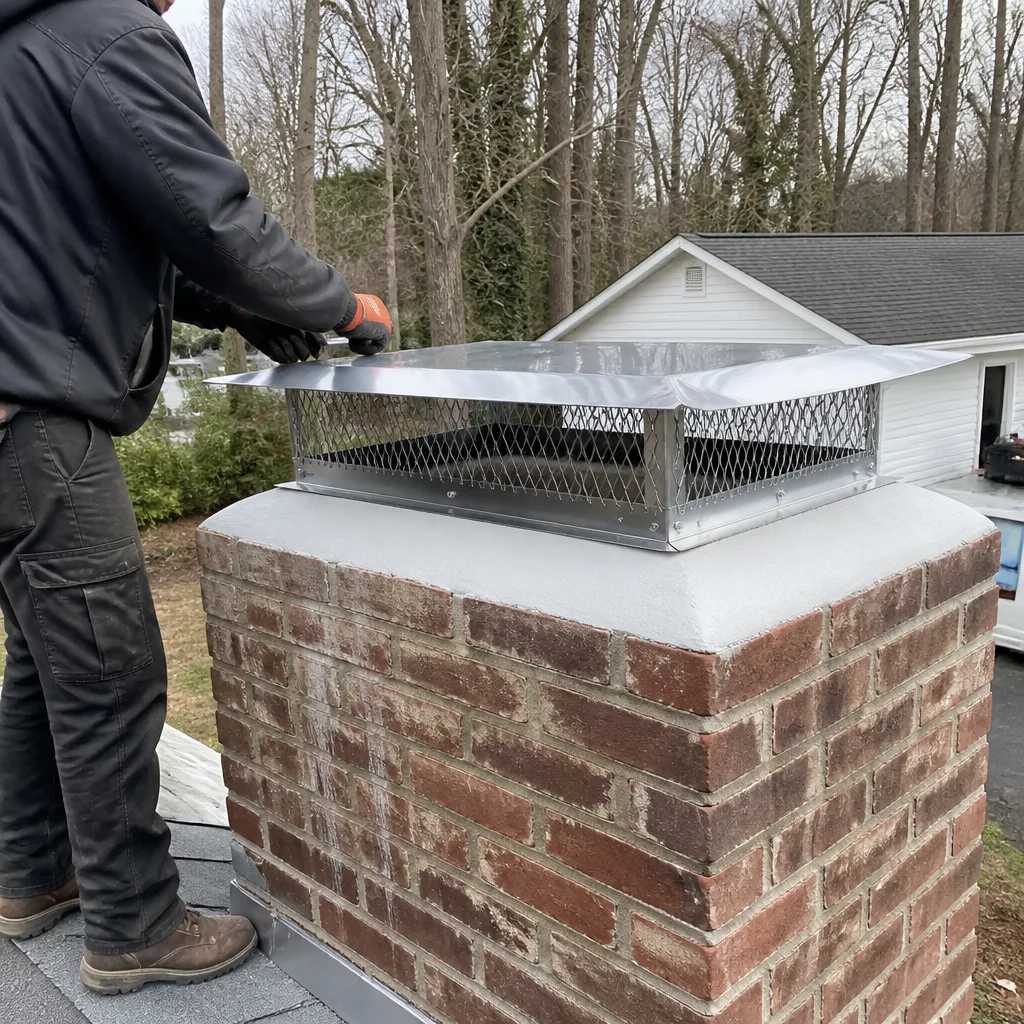 After
AfterChimney Cleaning Permits, Codes & Inspections in NY: What You Need to Know
Here’s something that catches Southampton homeowners off guard every year: a routine chimney cleaning requires no permit whatsoever, but the liner replacement that same technician might recommend during that cleaning does. We’ve been sweeping chimneys in Southampton since 1984, and we’ve seen the aftermath when that distinction gets blurred. For Chimney Cleaning & Sweep Maintenance Checklist for Southampton Homeowners, see our dedicated resource. Unpermitted liner work, undocumented insert installations, and missing inspection certificates surface during real estate closings, insurance claims after chimney fires, and sometimes when a new buyer’s home inspector climbs onto the roof. This guide draws the line clearly between maintenance and permitted construction so you know what questions to ask before any work begins.
Quick Answer
In New York State, routine chimney cleaning and sweeping require no building permit. However, chimney liner replacement, structural repair, new appliance installation, and any work altering the chimney’s capacity or clearance requirements trigger permit obligations under Suffolk County building codes. All chimney work must comply with NFPA 211 standards, and a Level II camera inspection is required before selling a home, after any chimney fire, or when installing a new heating appliance.
Table of Contents
- Maintenance vs. Permitted Work: The Critical Distinction
- NFPA 211 and the Two Clearance Standards Southampton Homeowners Must Know
- Suffolk County Permit Requirements: What Triggers What
- The Level II Inspection: When It’s Required and Who Can Perform It
- How Permit Gaps Surface at Resale in Southampton’s Market
- How to Verify Previous Work Was Permitted and Inspected
- Common Mistakes to Avoid
- When to Call a Professional
- Frequently Asked Questions
- The Bottom Line
Maintenance vs. Permitted Work: The Critical Distinction
The single most important thing to understand about chimney regulation in New York is that building departments classify activities into two buckets, and the boundary between them is not always obvious to homeowners.
Maintenance activities (no permit required):
- Chimney sweeping and cleaning of flue passages
- Removal of creosote, soot, and debris
- Basic inspection of accessible components (Level I)
- Installation of a chimney cap on an existing flue with no structural modification
- Replacement of a damaged chimney cap with identical specifications
Alteration or repair activities (permit required in Suffolk County):
- Chimney liner replacement or installation
- Structural repair to the chimney breast, crown, or masonry
- Installation of a fireplace insert or wood stove connected to an existing chimney
- Any work that changes the chimney’s height, diameter, or venting capacity
- Relining to accommodate a different fuel type or appliance
- Rebuilding of fireboxes or smoke chambers
Here’s where Southampton homeowners get tripped up. A technician arrives for a routine chimney cleaning in Southampton, discovers a deteriorated clay liner during the sweep, and proposes replacing it that same afternoon. The homeowner, relieved to have found the problem, agrees. But liner replacement is alteration work under Section 107 of the Suffolk County Building Code. It requires a permit, plans or manufacturer specifications, and a follow-up inspection by the county.
We’ve encountered this scenario repeatedly in neighborhoods from Shinnecock Hills to North Sea. A contractor with good intentions or sloppy habits completes the work without pulling the permit. The homeowner pays, the fire burns, and the problem only surfaces years later when the house goes on the market. At that point, correcting the record involves retroactive permitting, possible reopening of walls or chimney enclosures, and delays that can cost a sale.
The distinction matters because maintenance work carries no permanent record. Permitted work does, and that record follows the property.
NFPA 211 and the Two Clearance Standards Southampton Homeowners Must Know
Every jurisdiction in New York State, including Suffolk County, adopts NFPA 211 (Standard for Chimneys, Fireplaces, Vents, and Solid Fuel-Burning Appliances) by reference into local building codes. This standard governs the technical requirements for all chimney work, whether permitted or not. Two specific clearance standards within NFPA 211 generate the most confusion and the most failed inspections in our Southampton service area.
Standard 1: Clearance to Combustibles (Chapter 9)
NFPA 211 requires that chimney liners and venting systems maintain minimum clearances to combustible building materials. For most residential installations, this means:
- Factory-built chimneys: clearance as specified by the manufacturer’s listing, typically 2 inches but sometimes 1 inch or zero-clearance for certain listed assemblies
- Masonry chimneys with clay flue liners: 2-inch minimum clearance from liner to combustible framing
- Stainless steel liners: clearance determined by the liner listing, with most DuraFlex and similar professional-grade systems requiring 1/2 to 2 inches depending on diameter and application
The problem in older Southampton homes, particularly the 1920s-1960s colonials and capes common in Hampton Bays and Water Mill, is that original construction often did not provide these clearances. Our Complete Guide to Chimney Cleaning in Southampton covers how these situations develop. When we install a new liner in these chimneys, we cannot simply drop it into the existing space if that space violates clearance requirements. The work becomes a permitted alteration, and the solution may involve reframing, shielding, or in some cases, complete chimney reconstruction.
Standard 2: Fireplace and Hearth Extension (Chapter 11)
The second standard that generates permit-triggering work involves hearth extensions and fireplace opening dimensions. NFPA 211 specifies minimum hearth depth and width based on the fireplace opening size. Many older Southampton homes have hearths that were adequate for the original shallow firebox but fail current standards when a modern insert or stove is installed.
We’ve inspected homes in Sag Harbor where a homeowner purchased a beautiful cast iron stove, had it installed by a general handyman, and discovered during a subsequent fireplace service call in Southampton that the hearth extension was six inches too shallow for the appliance’s radiant heat output. The installation required permit correction, hearth extension modification, and reinspection.
These standards exist because chimney fires in unlined or improperly lined systems are not theoretical. Southampton’s coastal climate, with salt air accelerating metal deterioration and freeze-thaw cycles stressing masonry, makes compliance more urgent, not less.
Suffolk County Permit Requirements: What Triggers What
Suffolk County Building Code, based on the New York State Uniform Fire Prevention and Building Code (the “Uniform Code”), delegates permit administration to town building departments. In Southampton Town, the Building Division processes permits for chimney work, with inspection scheduling through their office.
Step-by-step: obtaining a chimney work permit in Southampton Town
- Determine if your project requires a permit. If the work involves anything beyond cleaning, cap replacement, or Level I inspection, it likely does. When in doubt, call the Southampton Town Building Division at their published number before contracting any work.
- Submit application with supporting documentation. This includes manufacturer specifications for liners (DuraFlex, HeatShield, or other approved systems), appliance installation manuals for inserts or stoves, and a site plan showing chimney location.
- Pay permit fee. Fees vary by project scope; the Building Division publishes a fee schedule.
- Receive permit and post on site. Work may not begin until the permit is physically posted at the property.
- Schedule inspections at required stages. Typically rough inspection (liner in place, connections visible) and final inspection (work complete, appliance operational).
- Receive certificate of completion or compliance. This document should be retained with your home records permanently.
Common permit-triggering projects we handle in Southampton:
| Project Type | Permit Required | Typical Inspection Stages |
|---|---|---|
| Chimney cleaning/sweeping | No | None |
| Chimney cap replacement (like-for-like) | No | None |
| Chimney liner installation/replacement | Yes | Rough, Final |
| Fireplace insert installation | Yes | Rough, Final |
| Wood/pellet stove new installation | Yes | Rough, Final |
| Crown repair or replacement | Yes, if structural | Final |
| Smoke chamber parge (HeatShield or similar) | Yes | Rough, Final |
| Chimney rebuild or partial reconstruction | Yes | Foundation, Framing, Final |
One detail competitors rarely mention: in Southampton Town, work performed between November 1 and March 31 faces inspection scheduling constraints due to winter staffing. If your project is permit-required, factor potential delays into your timeline. We’ve learned to pull permits in September and October for November installations, keeping our customers in compliance without leaving them without heat.
The Level II Inspection: When It’s Required and Who Can Perform It
NFPA 211 defines three levels of chimney inspection. Level I is visual, performed during routine cleaning. Level II involves internal camera examination of all accessible flue surfaces. Level III is destructive, requiring removal of building components to access concealed areas.
Three specific circumstances trigger a mandatory Level II inspection in New York:
- Real estate transaction. When a home with a chimney or fireplace changes ownership, NFPA 211 requires Level II inspection before operation. Many Southampton real estate contracts now explicitly require this, and home inspectors who lack chimney-specific certification will flag its absence.
- Chimney fire or significant malfunction. Any event involving flame escape, smoke backup, or suspected structural damage requires camera inspection before the system returns to service.
- New appliance installation. Connecting a new fireplace insert, wood stove, or gas appliance to an existing chimney triggers Level II inspection to verify compatibility.
Who is qualified to perform and certify a Level II inspection in New York?
New York State does not license chimney sweeps at the state level. Qualification comes through national certification, specifically:
- CSIA Certified Chimney Sweep (Chimney Safety Institute of America)
- NFI Certified (National Fireplace Institute) - specifically for gas, wood, or pellet appliance installation
- FIRE Certified Inspector (National Society of Chimney Service Professionals)
At Hearthstone Chimney Co., our Level II inspections follow a documented protocol: video camera survey of the entire flue length, photography of all defects, measurement of liner dimensions and clearances, and a written report with plain-English findings. We use professional-grade camera systems, and our reports include the footage homeowners need for insurance claims or real estate disclosures.
The critical point: a Level II inspection is not a permit, and it does not satisfy permit requirements. It is a technical evaluation. If that evaluation reveals work needed, and that work is permit-triggering, the permit process runs parallel, not in substitution.
We’ve performed Level II inspections in Southampton homes where previous owners had “certified” sweeps who were not actually CSIA-certified, or who performed visual-only inspections while calling them Level II. The documentation was worthless when the new buyer’s attorney requested proper certification. Verify credentials. Ask for certification numbers. A legitimate technician provides them without hesitation.
How Permit Gaps Surface at Resale in Southampton’s Market
Southampton’s real estate market operates at price points where due diligence is thorough and unforgiving. A $2 million home sale involves attorneys, title searches, and inspectors who are compensated to find problems. Unpermitted chimney work surfaces through multiple channels:
Title and municipal searches
Standard title work in Suffolk County includes a municipal search of building department records. Open permits, expired permits, or permits with no certificate of completion appear as exceptions on title reports. In Southampton Town, records date back decades, and digital indexing of older permits has improved significantly in recent years.
Home inspection findings
Competent home inspectors in Southampton’s market photograph chimney conditions, note appliance installations, and increasingly, request documentation of liner installations. When no permit exists, the inspector flags it. The buyer’s attorney then requires either proof of proper permitting or a holdback of funds pending correction.
Homeowner’s insurance requirements
Insurance carriers writing policies for Southampton’s high-value homes increasingly require proof of chimney inspection and, for newer installations, permit compliance. We’ve been called to document systems after insurance underwriters declined coverage pending verification.
The specific financial exposure
Retroactive permitting involves application fees, possible plan review by an engineer if original specifications are unavailable, and inspection with potential requirement to expose work for visual verification. In worst cases, unpermitted liner work in a finished chase requires drywall removal. The cost to correct a permit gap routinely exceeds the original installation cost.
We’ve worked with Southampton homeowners who discovered, during pre-listing preparation, that previous owners had installed a wood stove with no permit in 2003. The current owners had no knowledge. The omission still required correction before sale. The lesson: verify permits when you buy, not when you sell.
How to Verify Previous Work Was Permitted and Inspected
If you own a Southampton home with any chimney work performed in the past twenty years, and you do not have physical permits and certificates, you should verify the record now. Here’s how:
Step 1: Check your own files
Permits and completion certificates are ordinary documents that homeowners file and forget. Look for:
- Building permit copies with Southampton Town stamp or embossment
- Inspection sign-off sheets with inspector initials and dates
- Contractor invoices that reference permit numbers
- Home inspection reports from your purchase that note permit status
Step 2: Contact Southampton Town Building Division
Building records are public. Provide your property address and request a search of all permits issued for chimney, fireplace, or heating appliance work. Note that older records may be in paper files requiring manual retrieval.
Step 3: Request documentation from previous owners or their contractors
If you have contact information for sellers or their contractors, a direct request sometimes yields records that never transferred at closing. This is more successful with recent sales.
Step 4: Commission a Level II inspection with permit verification scope
When we perform these evaluations, we document visible installation characteristics (liner brand, sizing, appliance model, clearances) and compare against what permits would have required. Discrepancies indicate where to focus municipal record searches.
If you discover unpermitted work:
- Do not operate the system until evaluated by a certified professional.
- Contact Southampton Town Building Division to discuss voluntary compliance. Most jurisdictions have procedures for retroactive permitting that are less punitive than discovery during enforcement.
- Engage a CSIA-certified sweep or NFI-certified technician to evaluate whether the work meets current code. Work that does meet code is easier to permit retroactively.
- Be prepared for required modifications if the work does not meet current standards. Codes in effect at the time of original work sometimes differ from current requirements; jurisdictions vary in how they apply this.
We’ve guided numerous Southampton homeowners through this process. The Building Division staff are professional and responsive when approached proactively. The problems arise when unpermitted work is discovered during a complaint or inspection triggered by another event.
Common Mistakes to Avoid
- Assuming cleaning and repair are the same regulatory category. They are not. The technician who sweeps your chimney may not be qualified or permitted to replace your liner. Ask specifically which activities require permits before authorizing additional work.
- Accepting verbal assurance that a permit “isn’t needed for this.” In Southampton Town, the building department makes this determination, not the contractor. A technician who discourages permit inquiry is a technician to dismiss.
- Failing to request permit documentation at project completion. The certificate of completion or compliance is your proof of proper work. Without it, you have no defense if questions arise later. We provide copies with every permitted project we complete.
- Hiring based on lowest price without verifying certification. Unpermitted work is often cheaper because it skips fees, inspections, and sometimes proper materials. The savings evaporate when correction is required. We use professional-grade materials from DuraFlex, HeatShield, and Famco because they carry the listings and warranties that permit inspectors recognize.
- Neglecting to verify Level II inspector credentials. “Certified” means nothing without specifying by whom. CSIA, NFI, and FIRE are the recognized bodies. Ask for card or certificate number and verify online.
- Assuming previous owner disclosures were complete. Disclosure forms vary in specificity. A general “fireplace in working condition” disclosure does not confirm permitted work. Verify independently, especially for homes with recent appliance installations.
- Waiting until listing to discover permit status. Pre-listing preparation in Southampton’s market should include chimney permit verification months before the first showing. Discovery during contract negotiation costs leverage and sometimes the buyer.
When to Call a Professional
Call a certified chimney professional when any of the following apply: you’re purchasing a home with a chimney or fireplace and need pre-sale documentation; you’ve experienced a chimney fire, smoke backup, or suspected structural issue; you’re installing or replacing any heating appliance connected to a chimney; you’re preparing to sell and cannot locate permits for previous work; or you’ve been told your liner needs replacement during a cleaning and want to understand the full scope before authorizing work.
Hearthstone Chimney Co. offers free estimates in Southampton. Our chimney repair services in Southampton include permit consultation, Level II camera inspections with photo documentation, and permitted installation work with full certificate delivery. We answer our phones with a live person 24 hours a day, 7 days a week at (516) 619-2915. Russell Haines or a member of our team will walk through your situation, explain what permits apply, and give you upfront pricing with no surprises on the bill. Most jobs are completed in a single visit, and everything we do is backed by our 90-Day Done Right Promise in writing.
Frequently Asked Questions
No. Routine chimney cleaning, sweeping, and Level I visual inspection are classified as maintenance and require no building permit in New York State or Suffolk County. However, if the sweep reveals conditions requiring liner replacement, structural repair, or appliance installation, those subsequent activities may trigger permit requirements. For more guides & resources, visit our blog, or call (516) 619-2915 for a free estimate if you’re unsure where your project falls.
Chimney liner replacement in Southampton typically ranges from $2,800 to $5,500 for a standard single-flue installation, depending on flue length, diameter, appliance type, and whether the existing chase requires modification to meet NFPA 211 clearance standards. Homes in older Southampton neighborhoods with tight framing or deteriorated clay tiles may fall at the higher end. We provide no-hassle upfront pricing before any work begins, and our estimates are free.
NFPA 211 is the National Fire Protection Association standard that governs chimney construction, maintenance, and clearance requirements in the United States. New York State and Suffolk County adopt it by reference into local building codes. For Southampton homeowners, the two most relevant provisions are clearance-to-combustibles requirements (typically 2 inches for masonry, varying for listed systems) and hearth extension dimensions for fireplaces and inserts. Work that does not meet NFPA 211 standards will fail inspection and may create fire hazards.
NFPA 211 recommends annual inspection for all chimneys, fireplaces, and venting systems. In Southampton’s coastal environment, where salt air accelerates metal deterioration and freeze-thaw cycles stress masonry, annual inspection is particularly important for older systems. Annual sweeping is recommended for wood-burning systems used regularly; gas systems may require less frequent cleaning but still need annual structural and venting inspection.
Whether liner replacement can wait depends on the specific defect and its severity. Cracked clay tiles in a wood-burning system typically require prompt replacement due to creosote penetration and fire risk. Minor spalling in a gas-venting system may be monitorable with annual inspection. We never recommend liner replacement without camera evidence you can see yourself, and we’ll tell you plainly when work can safely wait. Our Level II inspections include photos, measurements, and a plain-English verdict with no pressure.
Contact Southampton Town Building Division to discuss voluntary compliance before the deficiency surfaces during a future sale or insurance claim. Engage a CSIA-certified professional to evaluate whether the work meets current code; compliant work is generally easier to permit retroactively. Be prepared for possible exposure of finished surfaces if inspectors cannot verify concealed connections. Addressing the issue proactively costs far less than discovering it during a real estate transaction.
The Bottom Line
The line between maintenance and permitted construction is clear once you know where to look. Cleaning requires no permit. Liner replacement, structural repair, and appliance installation do. NFPA 211 governs the technical standards, Suffolk County Building Code governs the permits, and Southampton Town Building Division handles the administration. The records follow your property, and gaps surface at the worst possible moments: during sale negotiations, after chimney fires, or when insurance underwriters ask questions. Verify permits now if you have any doubt. Document everything. And when you hire, hire technicians who certify their work, pull permits without being asked, and deliver certificates you can file and forget until you need them.
Written by Russell Haines, Owner at Hearthstone Chimney Co., serving Southampton since 2014.