
Last updated September 10, 2026
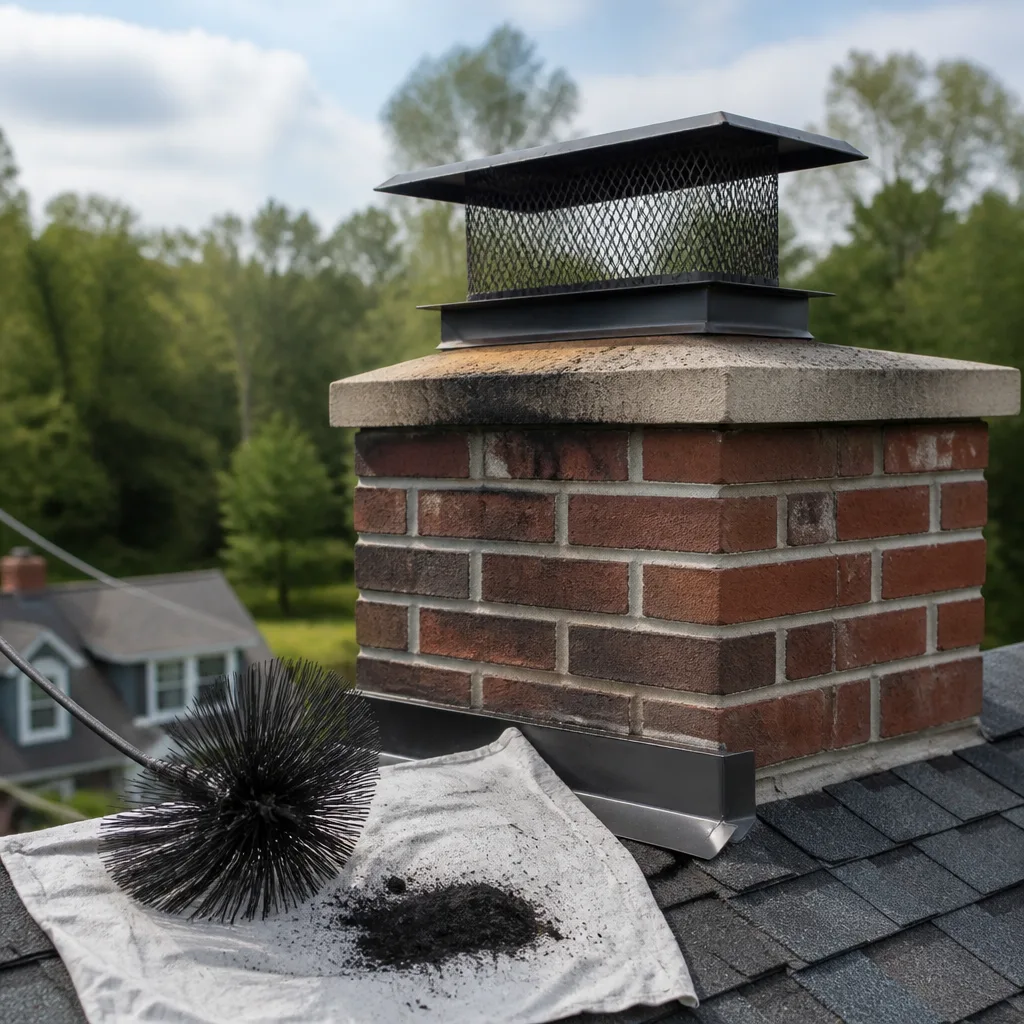
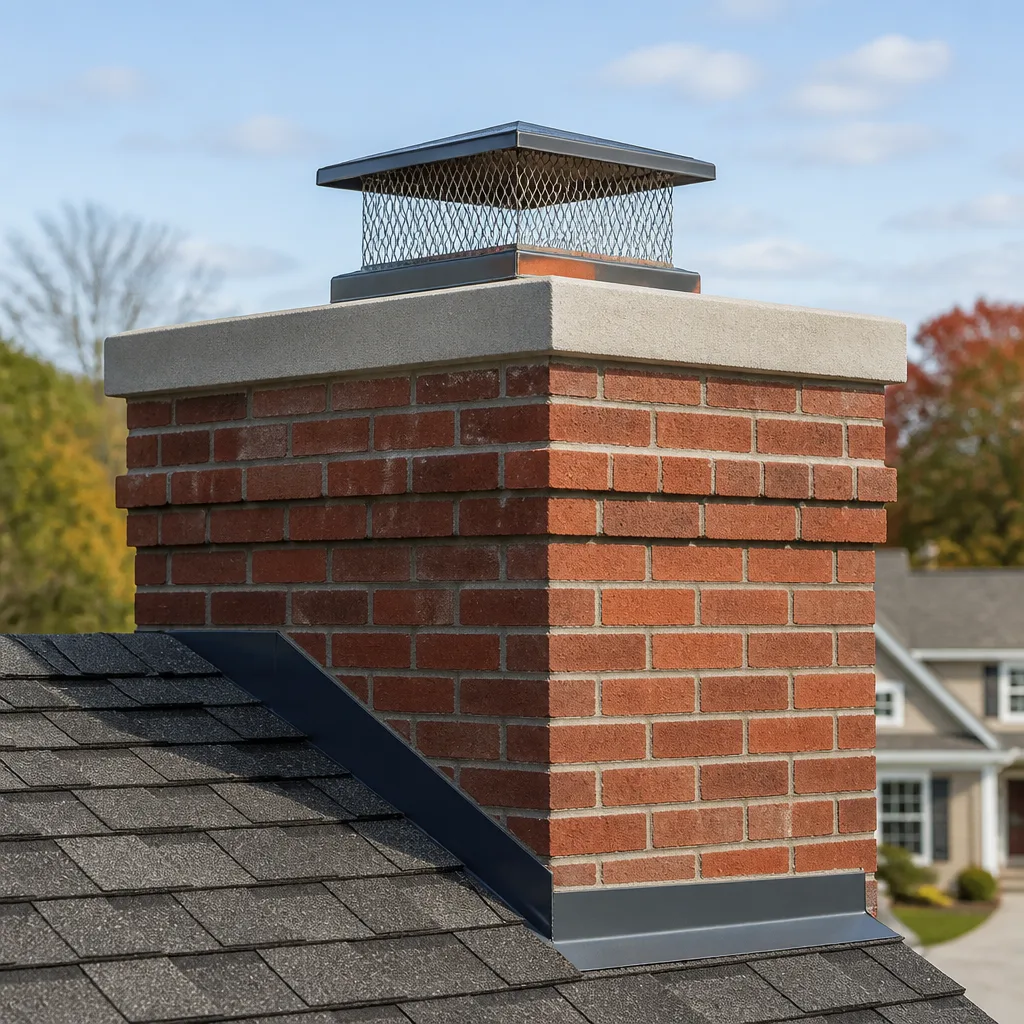
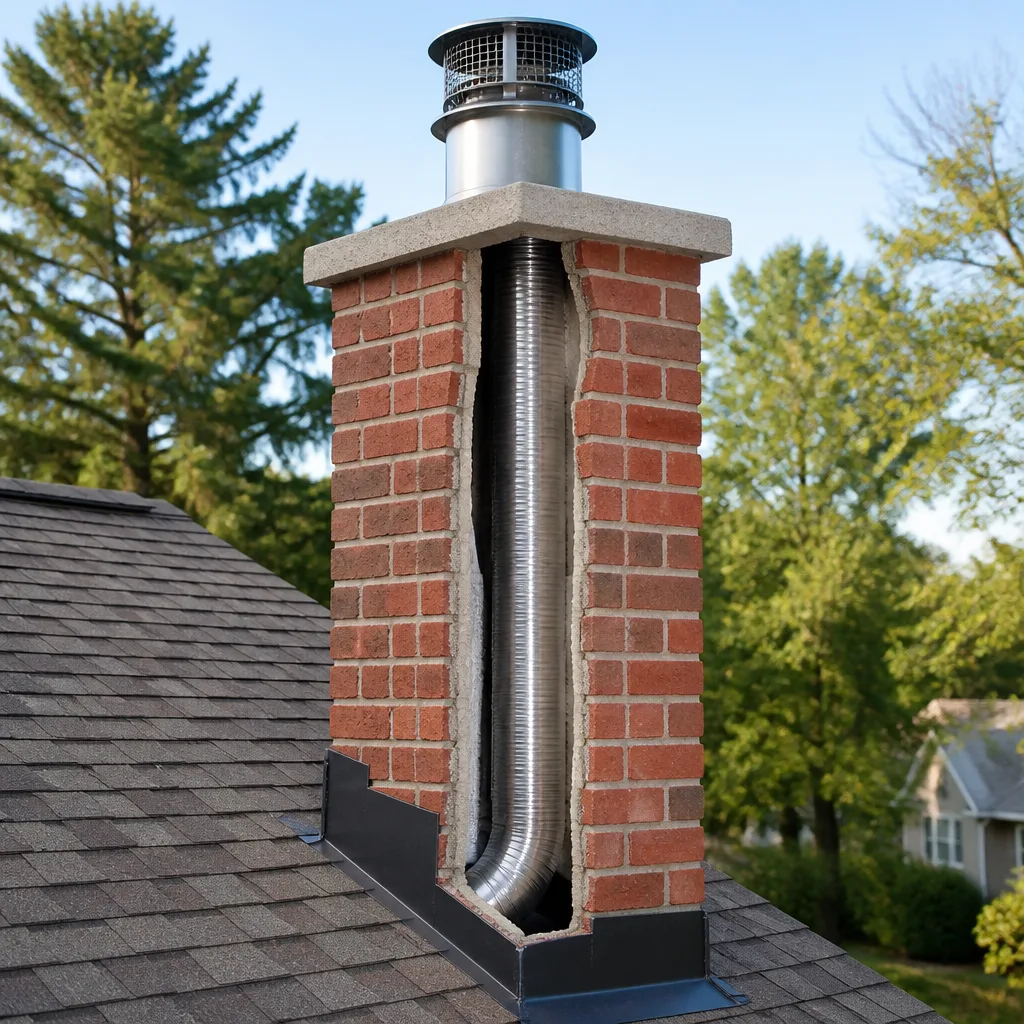
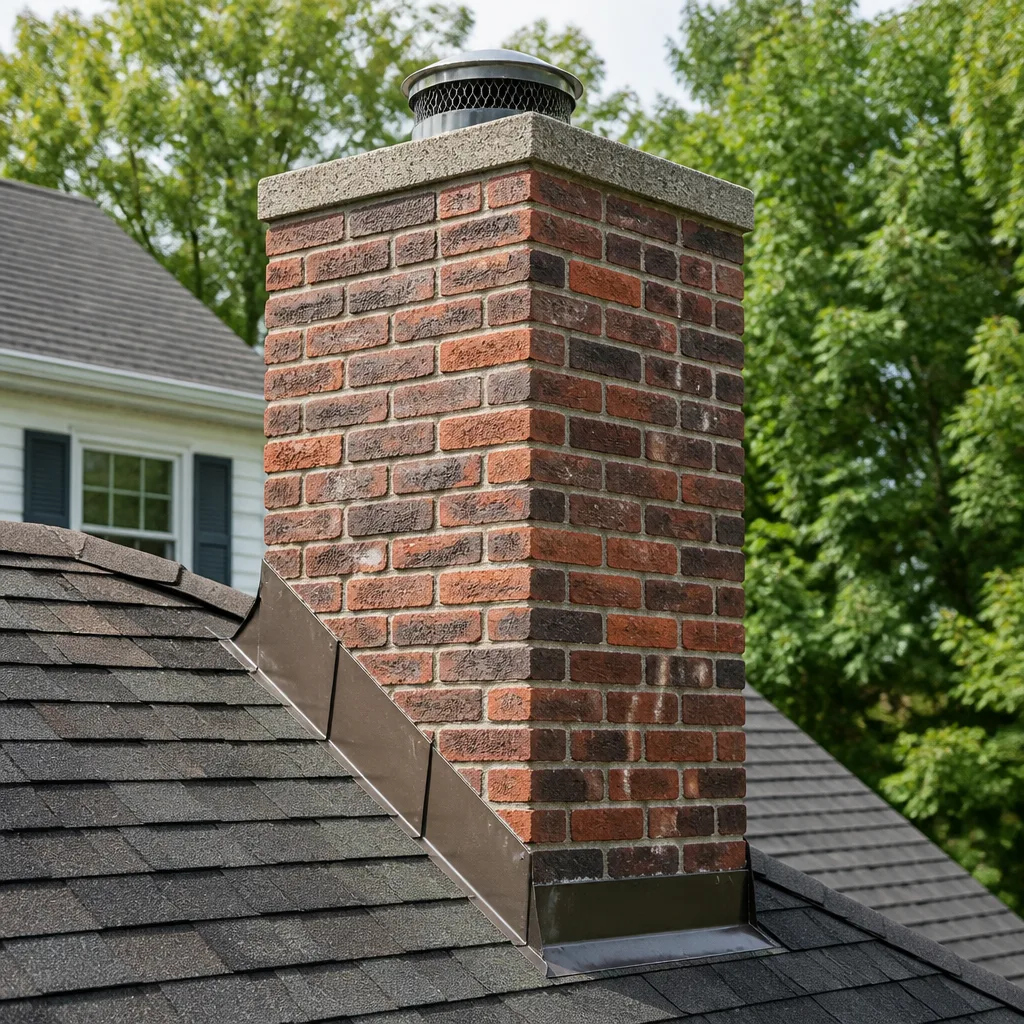
Level 1 sweep and inspection to the NFPA 211 annual standard - flue, crown, cap, and flashing checked and photographed
Chimney sweep logs do not sweep chimneys. They loosen some creosote - which then falls where a brush and vacuum still have to collect it.
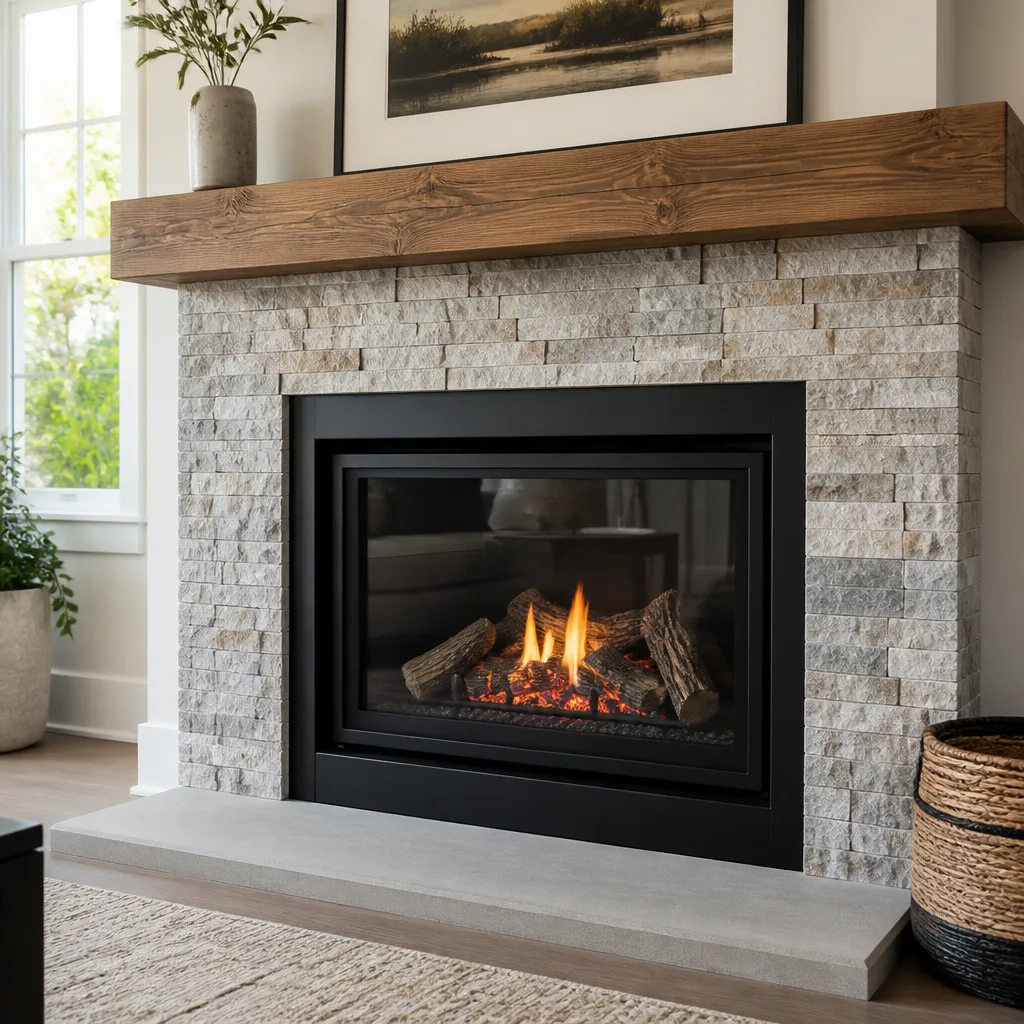
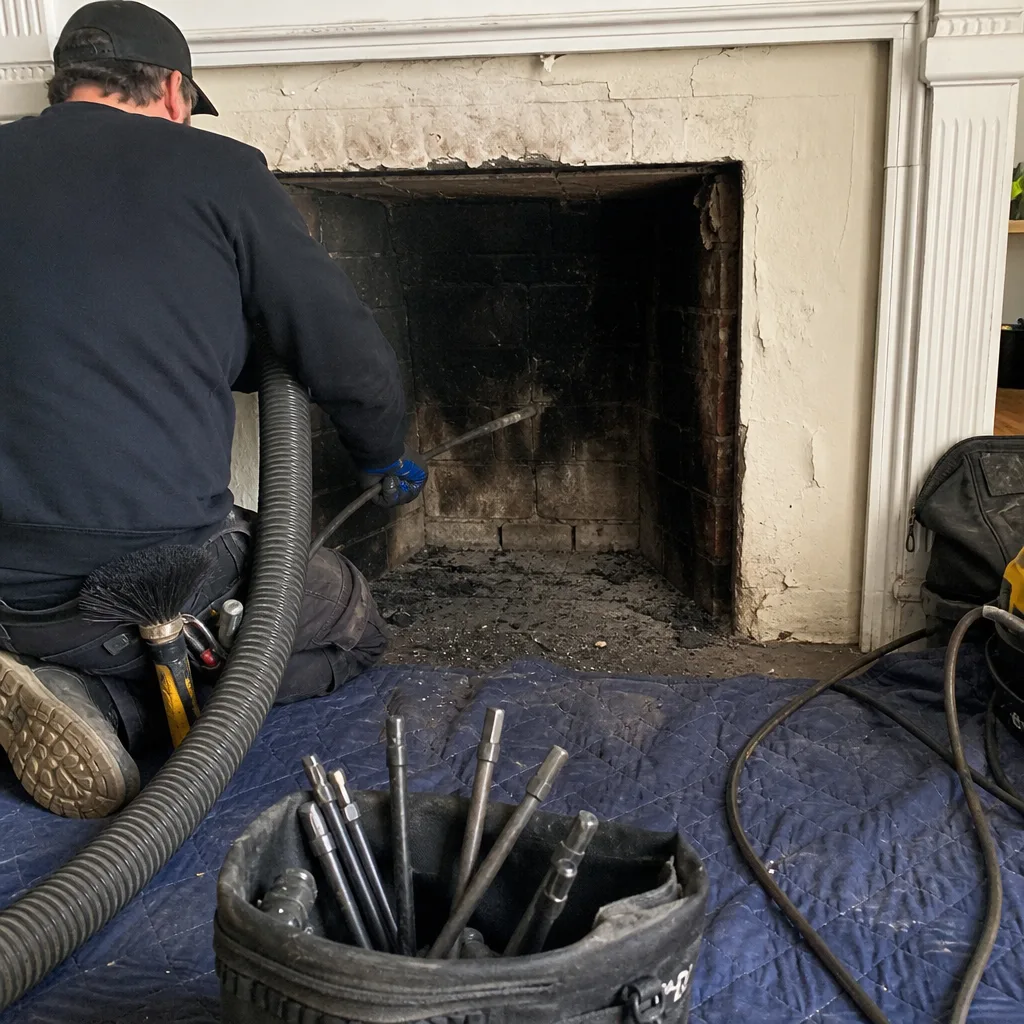 Before
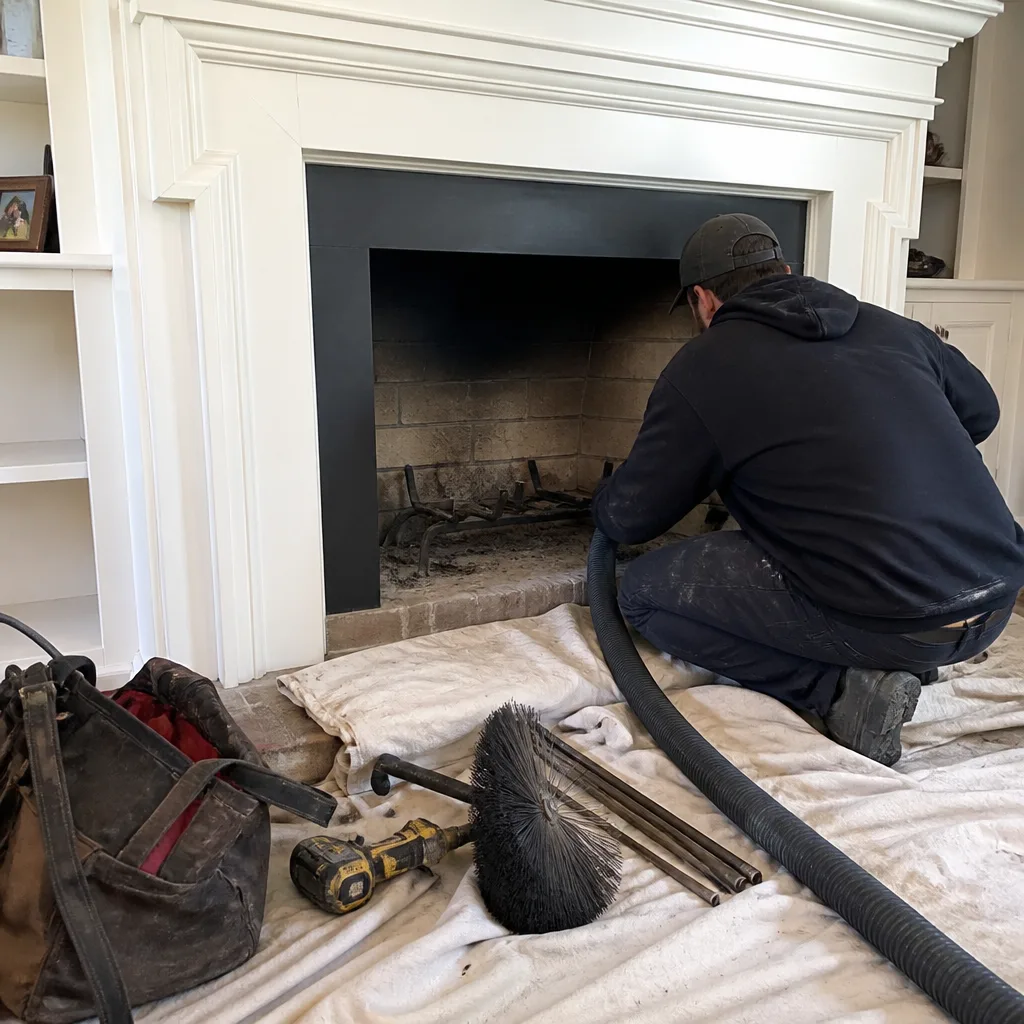 After
After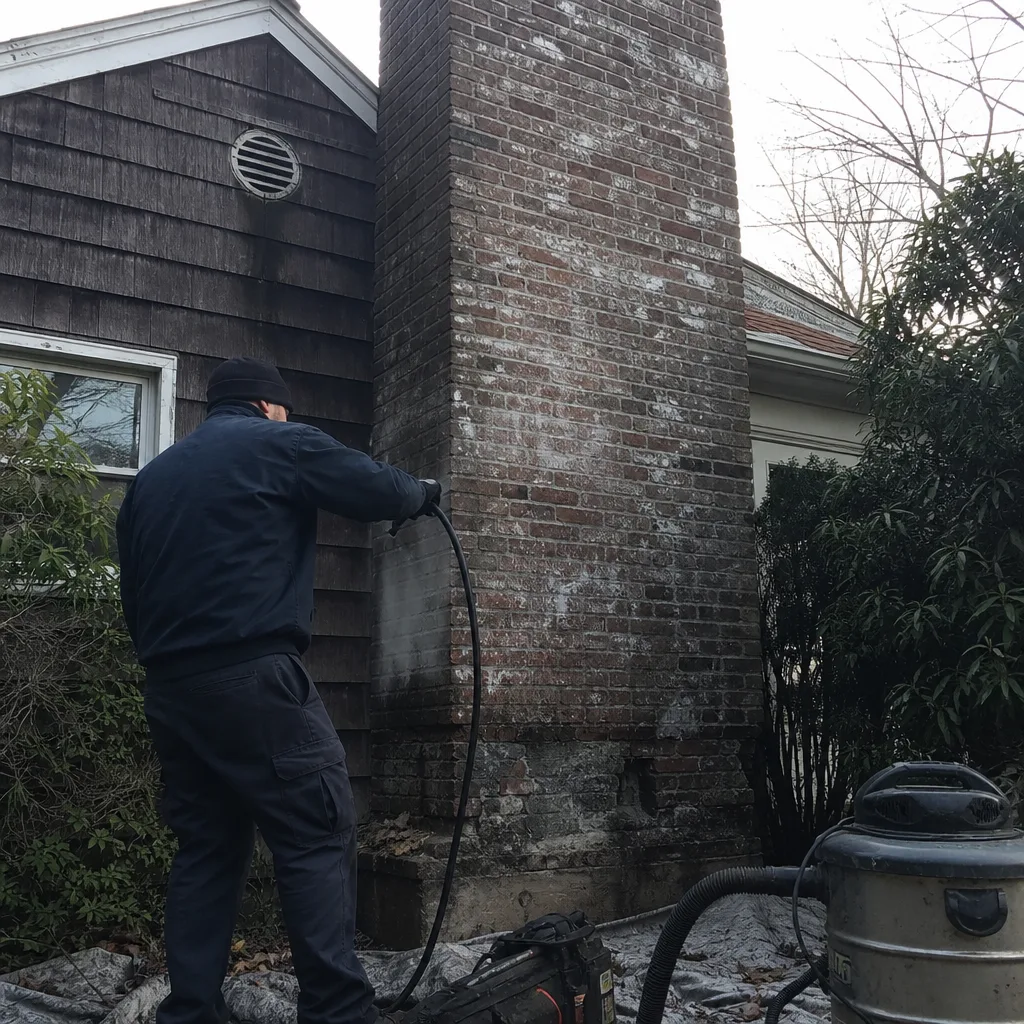 Before
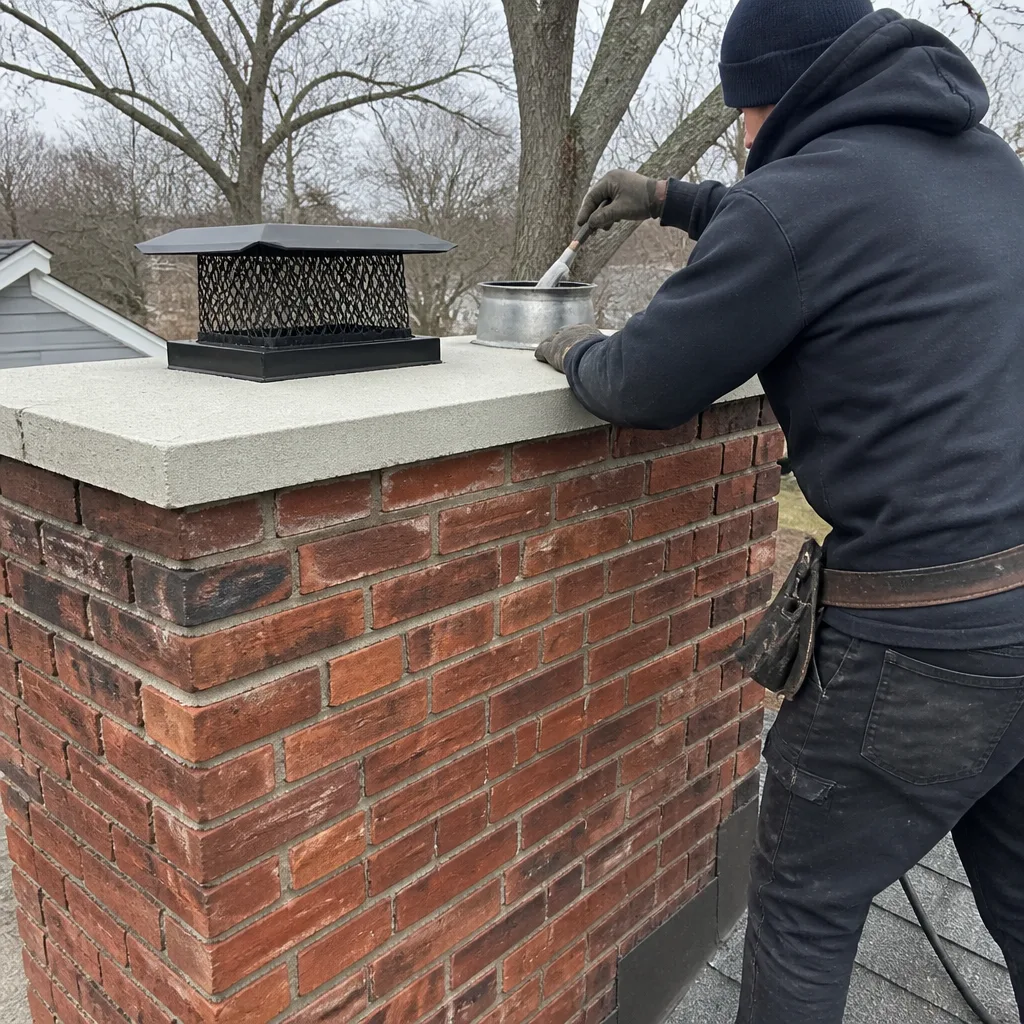 After
After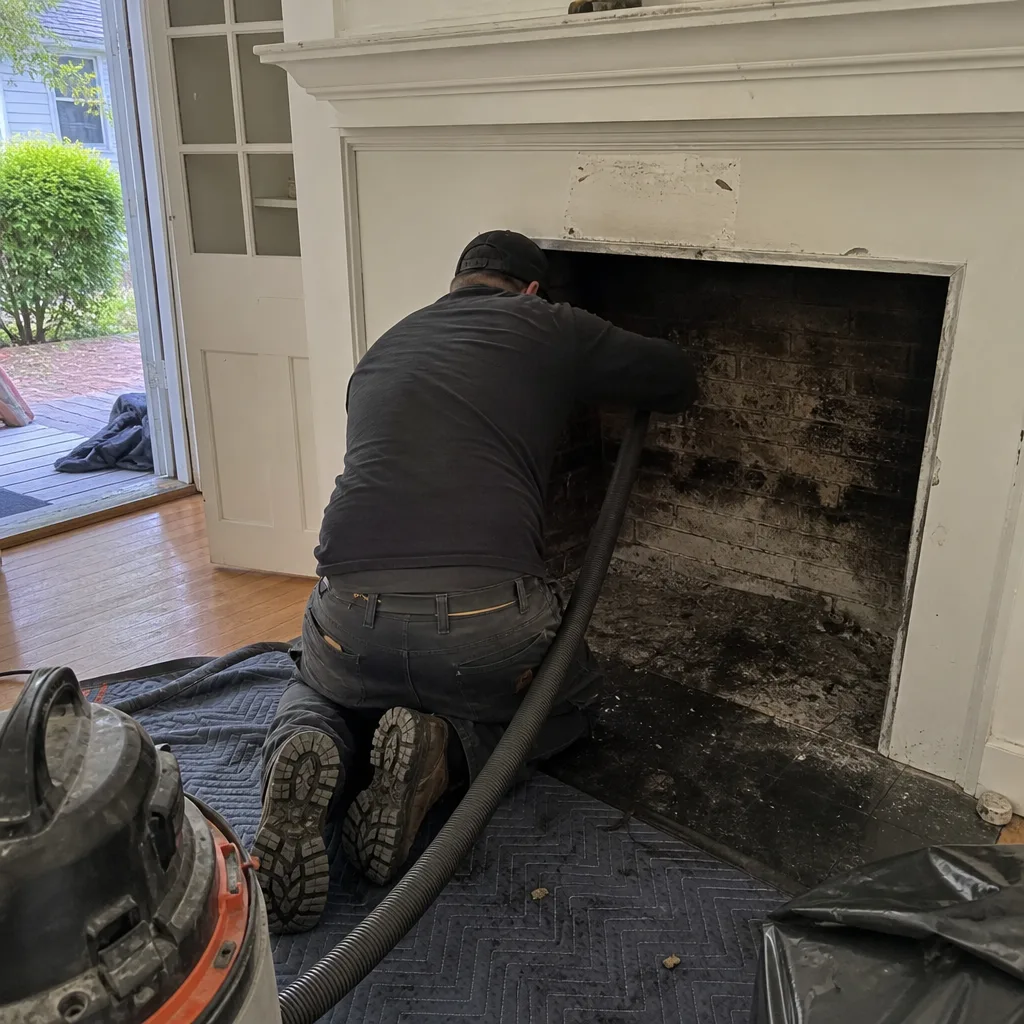 Before
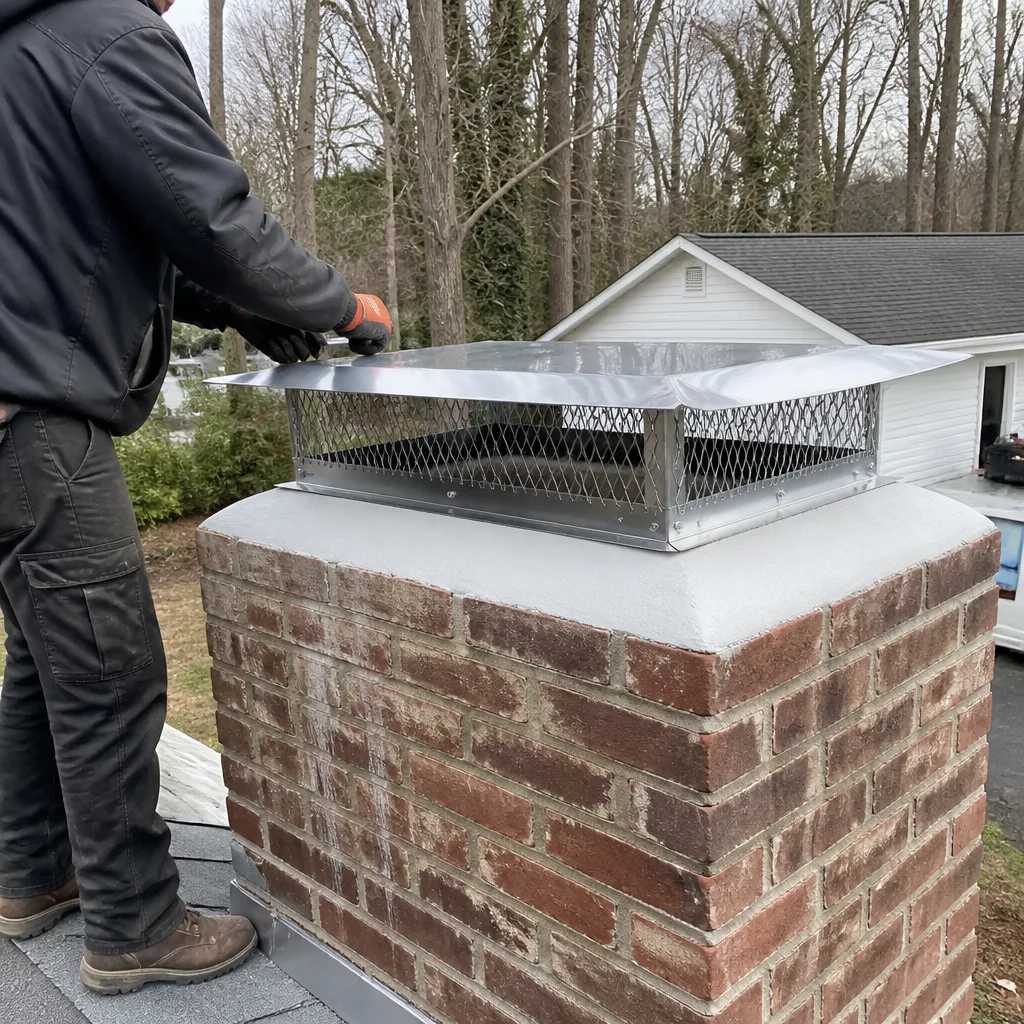 After
AfterChimney Cleaning & Sweep Maintenance Checklist for Southampton Homeowners
Most chimney checklists you’ll find online were written for a climate that doesn’t exist in Southampton. They don’t account for salt air accelerating flashing corrosion, or how a single freeze-thaw winter can turn a hairline crown crack into a $3,000 rebuild. In our 42 years serving this stretch of the South Fork, we’ve documented the same seasonal failure patterns year after year. This guide gives you a checklist calibrated to what actually happens to chimneys here - the exterior damage that starts in October, the interior warning signs that appear by January, and the close-up routine that prevents the moisture and nesting problems that idle chimneys face from April through September.
Quick Answer
A complete chimney maintenance checklist for Southampton homeowners includes three seasonal phases: a pre-season exterior inspection of crown, cap, flashing, and mortar (focused on freeze-thaw and salt-air damage); a mid-season interior observation of smoke behavior, odors, and damper function; and a post-season close-up to prevent moisture intrusion and animal nesting. Between professional chimney cleaning and sweep visits in Southampton, homeowners can safely perform visual checks, maintain proper ash levels, and document findings - but cleaning the flue, inspecting the liner, and assessing structural damage require professional equipment and training.
Table of Contents
- Why Southampton Chimneys Fail Differently
- Pre-Season Exterior Checklist: Before the First Fire
- Mid-Season Interior Checklist: Reading the Signs
- Post-Season Close-Up Checklist: Protecting an Idle Chimney
- What Homeowners Can Safely Do vs. Where to Stop
- Seasonal Documentation Log: Building Your Record
- Common Mistakes to Avoid
- When to Call a Professional
- Frequently Asked Questions
- The Bottom Line
Why Southampton Chimneys Fail Differently
Southampton sits on a coastal plain with a climate that punishes masonry in specific ways. The Atlantic moderates temperatures, but it also delivers salt-laden air that corrodes metal components faster than inland locations. Our freeze-thaw cycles are shorter but more violent than upstate New York - temperatures can swing from 20°F to 50°F within 48 hours during January and February. Water enters microscopic cracks, expands when it freezes, and widens those cracks with every cycle.
We’ve seen this pattern repeatedly in neighborhoods from North Sea to Shinnecock Hills. A crown that looks sound in October develops a network of fine cracks by March. Copper flashing that would last 30 years in Albany shows pinhole corrosion in 15 years here. And the cedar shake roofs common in Southampton’s older neighborhoods create a specific cap-seal problem: the irregular surface doesn’t mate cleanly with standard cap flashing, leaving gaps that squirrels and water exploit.
The other factor is seasonal vacancy. Many Southampton chimneys sit idle from May through September - longer than heating-season chimneys in colder climates. An unused flue becomes attractive real estate for birds, raccoons, and squirrels. A cap that was secure in April can be dislodged by June, and the homeowner doesn’t discover the problem until that first October fire reveals a nest blocking the flue.
This checklist addresses these local realities directly. It won’t tell you to check things that don’t matter here, and it won’t skip the inspections that catch Southampton-specific failures before they become expensive.
Pre-Season Exterior Checklist: Before the First Fire
Schedule this inspection for late September or early October, before the first sustained cold snap. You’ll need binoculars, a notepad, and a camera. Do not climb onto the roof - every observation here can be made from ground level or a secured ladder at the eaves.
The Crown
Examine the concrete crown at the chimney top. In Southampton, look specifically for:
- Hairline cracks radiating from the flue tile - these widen dramatically over a single winter
- Pooling water or discoloration indicating improper slope - a crown should shed water to all edges
- Chipped edges where freeze-thaw has already begun spalling the concrete
- Gaps between the crown and the top course of brick - this joint is a common failure point
We’ve replaced crowns in Southampton that looked merely weathered in October but were crumbling by February. The freeze-thaw cycle here doesn’t give damaged crowns a second season.
The Cap
The cap keeps rain, animals, and debris out of the flue. Check:
- Mesh sides intact - no holes larger than a quarter, no corrosion at the wire joints
- Secure attachment to the flue or crown - the cap shouldn’t shift when tapped
- Proper clearance - the cap should sit high enough that smoke exits freely around all edges
- On cedar shake roofs specifically: check where cap flashing meets the irregular surface - gaps here are common
We install caps from Famco and Olympia Chimney that are spec’d for coastal corrosion resistance. The difference in material thickness matters after five years of salt air.
Flashing
The metal joint where chimney meets roof is the most leak-prone point on any roof. From the ground with binoculars:
- Look for lifted edges, especially on the uphill side where ice dams form
- Check for green or white corrosion streaks on copper or galvanized flashing
- Note any caulk or sealant that has pulled away from either surface
- On homes within a mile of the ocean, pay particular attention to the seaward-facing side - salt spray concentrates there
Mortar Joints
Scan the visible brickwork for:
- Receded or missing mortar - the joint should be flush with the brick face
- White efflorescence indicating water migration through the wall
- Spalled brick faces - the surface flakes away, exposing the softer interior
Document everything with photos dated and noted. Compare to last year’s photos if you have them. Changes year over year predict failures before they become urgent.
Mid-Season Interior Checklist: Reading the Signs
Once you’re burning regularly - typically mid-December through February in Southampton - your fireplace and chimney will tell you if something needs attention. These observations require no tools and no risk. They require paying attention during normal use.
Smoke Behavior
Smoke should rise cleanly into the firebox and up the flue. Watch for:
- Smoke spilling into the room on startup - This can indicate a cold flue, but if it persists beyond the first two minutes, the flue may be partially obstructed or the damper may not be opening fully.
- Smoke staining on the firebox face or hearth - This indicates consistent spillage, not a one-time downdraft. The chimney may be undersized for the fireplace, or the flue may be constricted by creosote buildup.
- Smoke smell in upper floors when the fireplace is not in use - This suggests negative pressure in the house pulling air down the flue, or a damaged liner allowing smoke to leak into wall cavities.
In Southampton’s tighter, newer construction - particularly in North Sea and the estate sections - we’ve seen negative pressure problems increase as homes become more energy-efficient. The chimney needs make-up air to function.
Odor Timing
Chimney odors have specific causes:
- Musty smell after rain - Water is entering the flue, likely through a cracked crown or failed cap. The creosote absorbs moisture and produces a wet-ash odor.
- Strong creosote smell on humid days - This indicates significant creosote buildup. The odor intensifies when warm, moist air contacts the deposits. In Southampton’s spring and fall humidity, this is a reliable signal that cleaning is overdue.
- Decomposing organic smell - An animal has entered and died, or nesting material is decaying. This requires immediate professional attention - do not attempt to remove it yourself due to disease risk.
Damper Function
The damper should open fully with smooth resistance and seat completely when closed. Check:
- Does it open to the same position every time, or does it stick at partial opening?
- When closed, can you feel air movement around the edges with your hand?
- Is there creosote buildup on the damper plate preventing full closure?
A damper that won’t seal costs you heated air every hour the fireplace isn’t in use. In Southampton’s shoulder seasons, when you might run the fireplace evenings but heat the house with oil or propane overnight, this waste adds up.
Fire Performance
A well-functioning chimney supports complete combustion. Your fires should:
- Ignite readily with dry, seasoned hardwood
- Burn with active, yellow-orange flames - not smoldering
- Produce minimal smoke from the chimney top once established
- Leave ash that is light and fluffy, not dense and partially burned
Smoldering fires, difficulty starting, or dense smoke from the chimney top all indicate airflow problems - creosote constriction, damper issues, or house pressure problems.
Post-Season Close-Up Checklist: Protecting an Idle Chimney
In Southampton, most chimneys sit unused from April through September - sometimes longer if the homeowner travels for summer. A chimney that was functional in March can be compromised by June if not properly closed up.
Final Cleaning and Inspection
Schedule professional cleaning after your last fire. Creosote left in the flue over summer absorbs humidity, becomes acidic, and accelerates liner corrosion. The chimney cleaning and sweep service should include a Level-1 inspection confirming:
- Flue is clear of creosote deposits
- No new obstructions or damage from the burning season
- Damper closes and seals properly
- Firebox and hearth are clean and undamaged
Cap and Crown Verification
After the final cleaning, verify:
- The cap is securely attached and mesh is intact
- The crown shows no new cracks since your October inspection
- Any sealant or crown coat applied in previous years is still adherent
We apply crown sealant from HeatShield when we find early-stage cracking - it’s a preventive treatment that can extend crown life significantly in freeze-thaw environments.
Ash Removal
Remove all ash from the firebox. Ash left over summer:
- Absorbs moisture and becomes corrosive to metal components
- Attracts insects seeking alkaline material
- Can harbor mold in Southampton’s humid summers
Dispose of ash in a metal container with a tight lid, stored away from combustibles until fully cooled. Never vacuum warm ash - the fine particles can ignite in the vacuum motor.
Damper Closure and Sealing
Close the damper fully. For metal dampers that don’t seal tightly, consider a removable chimney balloon or inflatable plug for the summer months. This prevents:
- Conditioned air loss up the flue
- Humid summer air entering and contacting the liner
- Insect and bat entry through small damper gaps
Exterior Re-Check
Walk the exterior one more time. Note any changes since October:
- New mortar deterioration
- Flashing that has lifted or corroded further
- Vegetation growth near the chimney base - roots can undermine foundations
- Storm damage from winter nor’easters, common to Southampton’s exposed position
Document with dated photos. This becomes your baseline for the following October.
What Homeowners Can Safely Do vs. Where to Stop
The line between homeowner maintenance and professional work exists for safety and legal reasons. Crossing it risks injury, voided insurance, and code violations.
What You Can Safely Do
- Visual exterior inspection from ground or secured ladder
- Interior smoke, odor, and damper observation during normal use
- Ash removal with proper tools and cooling time
- Firebox cleaning with appropriate non-abrasive materials
- Documentation and photography of all findings
- Installation of removable draft-stopping devices
Where Observation Ends
These tasks require professional equipment, training, and in some cases licensing:
- Flue cleaning - Requires properly sized brushes, rods, and vacuum collection. Improper technique can damage liner tiles or deposit creosote in the smoke chamber where it’s harder to remove.
- Liner inspection - Requires a video camera system that can traverse the full flue length and document findings. Southampton building code references NFPA 211 standards that specify inspection methods.
- Crown repair or replacement - Working at height with concrete materials requires proper fall protection and masonry skill.
- Flashing repair - Roof work carries fall risk and requires knowledge of proper layering to maintain waterproofing.
- Structural repairs - Any rebuilding of the chimney structure requires permits in Southampton and must comply with current code.
The 90-Day Done Right Promise covers our work because we control the variables. We can’t stand behind repairs that weren’t done to our standard, and we won’t ask you to trust work we haven’t verified.
Seasonal Documentation Log: Building Your Record
A written record transforms scattered observations into actionable intelligence. It also supports insurance claims, real estate disclosures, and warranty disputes. We’ve seen homeowners save thousands by producing documentation that proves a problem predated a specific event.
What to Record Each Season
Create a simple log with these entries:
| Date | Inspection Type | Findings | Photos | Action Taken |
|---|---|---|---|---|
| 10/15/2024 | Pre-season exterior | Crown: 2″ crack at northeast edge; Cap: secure; Flashing: minor corrosion at uphill corner | IMG_2041-2045 | Scheduled crown repair |
| 1/20/2025 | Mid-season interior | Smoke spillage first 90 seconds; odor after heavy rain 1/15; damper sticks at 3/4 open | IMG_2089 | Noted for spring service |
| 3/30/2025 | Post-season close-up | Crown crack unchanged after repair; flue clear; new cap sealant applied | IMG_2112-2116 | Annual sweep completed |
Storage and Access
Keep digital copies in cloud storage and physical copies with your home maintenance files. Include:
- All professional inspection reports and invoices
- Photos with dates and descriptions
- Weather notes - unusual storms, temperature extremes, humidity events
- Correspondence with contractors
When you sell your Southampton home, this documentation demonstrates responsible maintenance. When you file an insurance claim after a chimney fire, it establishes pre-loss condition. When a contractor disputes whether a problem existed before their work, it settles the question.
We’ve provided documentation for homeowners in Water Mill and Bridgehampton that helped resolve disputes in their favor. The record speaks when memory fails.
Common Mistakes to Avoid
- Assuming a chimney that looks fine doesn’t need inspection. In Southampton, the most dangerous creosote buildup occurs in chimneys that vent efficient, modern fireplaces - the fires burn cooler, producing more condensable residue that sticks to the flue.
- Using the fireplace as a primary heat source without more frequent cleaning. A decorative fire once weekly needs annual sweeping. Daily use for supplemental heat needs mid-season inspection - the buildup rate increases nonlinearly with use.
- Ignoring salt-air corrosion on metal components. We’ve seen stainless steel caps fail in eight years near the ocean that would last 20 years inland. The corrosion isn’t always visible from the ground until the metal is perforated.
- Attempting to clean the flue from the bottom with household tools. This deposits creosote in the smoke chamber, where it becomes a concentrated fire hazard, and can damage clay liner tiles with improper brush sizing.
- Blocking the flue completely without ventilation. A sealed chimney still needs air circulation to prevent moisture accumulation. Removable plugs with small vents, or periodic damper opening, prevent stagnant humid conditions.
- Waiting for visible interior water damage before addressing exterior problems. By the time plaster stains appear inside, the wall cavity has been wet for months. The October exterior inspection catches problems before they reach interior finishes.
- Hiring based on lowest price without verifying insurance and references. In Southampton’s seasonal economy, transient operators appear in fall and disappear before problems emerge. Verify that a company has a physical local presence and standing in the community.
When to Call a Professional
Call for service when you observe any of the following: smoke consistently entering the room; strong odors that persist after the fire is out; visible creosote flakes falling into the firebox; a damper that won’t open or close fully; any exterior damage to crown, cap, or flashing; water entry of any kind; or if it has been more than 12 months since your last professional inspection and our Chimney Cleaning & Sweep services.
For chimney repair in Southampton or a professional evaluation of any concern on this checklist, Hearthstone Chimney Co. offers free estimates. Our Level-2 camera inspections produce photos you can see and a plain-English verdict you can understand. Call (516) 619-2915 - a live person answers, any hour, any day.
Frequently Asked Questions
A standard chimney cleaning and Level-1 inspection in Southampton typically ranges from $200 to $350, depending on flue accessibility, buildup severity, and whether the fireplace has a gas log set that requires removal and reinstallation. Level-2 camera inspections, recommended when buying a home or after a chimney fire, run $350 to $500. Hearthstone Chimney Co. offers an $89 Seasonal Tune-Up that includes basic cleaning and safety checks for qualifying systems. Call (516) 619-2915 for an exact quote - estimates are free.
The National Fire Protection Association recommends annual inspection and cleaning as needed. In Southampton, we find that fireplaces used for occasional ambiance - one to two fires weekly - typically need sweeping every 12 months. Homes where the fireplace provides daily supplemental heat, common in older Southampton village properties with limited insulation, often need mid-season inspection and possible second cleaning. The specific interval depends on wood quality, burning practices, and appliance efficiency. Your documentation log will reveal your actual buildup rate over time. For related reading, see The Complete Guide to Chimney Cleaning in Southampton.
You need a new liner when the existing one is damaged, improperly sized, or absent - not because someone says so without evidence. In Southampton, we most commonly replace liners that have cracked clay tiles (visible on camera inspection), or stainless steel liners that have corroded from salt-air exposure. A liner must be intact to contain combustion byproducts and protect surrounding structure. We document liner condition with photos you can see, explain what the images show in plain English, and specify when replacement is urgent versus when monitoring is reasonable. No recommendation without camera evidence - that’s our standard.
Skipped maintenance leads to three predictable outcomes, in order of severity. First, creosote accumulates, reducing draft efficiency and causing smoke spillage into living spaces. Second, the creosote ignites - a chimney fire that can reach 2,000°F, damaging liner and surrounding structure. Third, undetected cracks or gaps allow carbon monoxide to leak into the home, or water intrusion to rot structural elements concealed within walls. In Southampton’s older homes, many with original masonry and limited firestopping, the third risk is particularly serious. The cost of prevention is modest; the cost of remediation after failure is not. Learn to spot trouble early with Chimney Cleaning Warning Signs: A Southampton Homeowner’s Reference Guide.
Driftwood is never safe to burn - the salt content corrodes metal components rapidly and produces toxic chlorine compounds. Pine, while often discouraged, can be burned if properly seasoned (under 20% moisture) and if the chimney is maintained more frequently due to faster creosote production. We recommend hardwoods - oak, maple, beech - sourced from local suppliers who sell seasoned firewood. The “seasoned” wood sold roadside in Southampton in October is often cut that spring and still too wet. Buy in spring for the following winter, or verify moisture content with a meter.
Summer chimney odors in Southampton typically result from one of three conditions: creosote deposits absorbing humidity from our maritime air and releasing acidic compounds; negative pressure in air-conditioned homes drawing air down the flue; or animal entry and nesting during the idle season. Each cause has a specific remedy - cleaning for creosote, house pressure balancing for downdraft, and professional removal with cap repair for animal problems. The odor’s character helps diagnose: acrid and chemical suggests creosote; musty and organic suggests animals; intermittent with weather changes suggests pressure issues.
The Bottom Line
Southampton chimneys face a specific set of stresses - salt air, violent freeze-thaw, seasonal idleness, and the irregular roof surfaces of historic homes. A generic checklist ignores these realities and leaves you vulnerable to predictable failures. The three-season approach outlined here - exterior inspection before burning, interior observation during use, protective close-up after - catches problems at the stage where they’re still manageable. Document everything. Know what you can safely do and where professional equipment and training become essential. And schedule professional inspection and cleaning at least annually, with the camera evidence that turns guesswork into certainty. Explore more guides & resources for year-round chimney care.
Fireplace services in Southampton from inspection through repair require a company that understands local conditions and stands behind its work. At Hearthstone Chimney Co., we’ve built our reputation on photos you can see, verdicts you can understand, and the 90-Day Done Right Promise in writing - no arguing, no paperwork. A square deal, no surprises on the bill. We’ll be there when we say.
Call (516) 619-2915 for a free estimate. A live person answers, any hour, any day.
Written by Russell Haines, Owner at Hearthstone Chimney Co., serving Southampton since 2014.